


Listen to the article
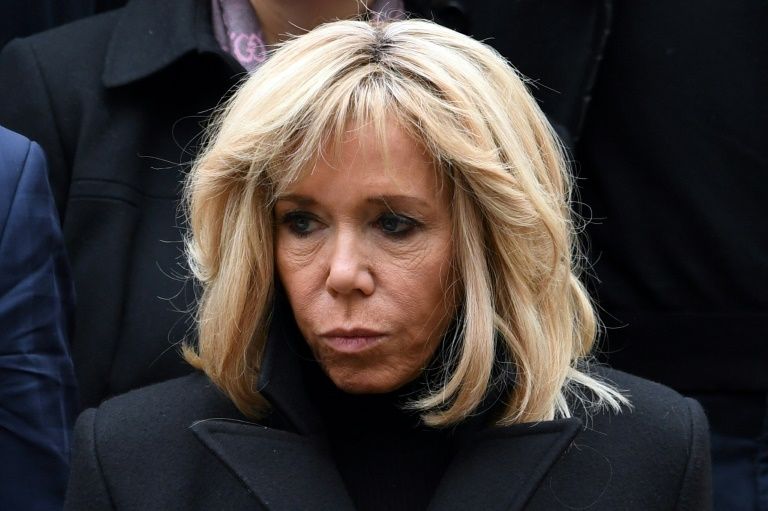
French authorities have delivered a significant ruling in a landmark cyberbullying case, as ten individuals were convicted Monday by a Paris criminal court for orchestrating a harassment campaign against France’s First Lady, Brigitte Macron.
The defendants were found guilty of spreading and amplifying a coordinated disinformation effort that targeted Macron with false claims about her gender identity. The online campaign, which gained substantial traction across social media platforms, centered on fabricated allegations that she was born male—claims the court recognized as entirely baseless.
Prosecutors successfully demonstrated that the harassment operation relied heavily on conspiracy theories that had been widely circulated online, often garnering tens of thousands of views per post. The court specifically characterized the messages as “degrading, insulting and malicious” in its ruling.
The penalties imposed reflect the varying degrees of involvement among the defendants. Most received suspended prison terms, while some were ordered to complete mandatory training programs focused on combating online harassment. Additionally, several defendants face temporary bans from specific social media platforms where the harassment occurred. Two individuals identified as playing central roles in disseminating the false content received more severe sentences.
In a particularly troubling aspect of the case, the court highlighted how defendants had weaponized the 24-year age difference between Brigitte Macron and her husband, President Emmanuel Macron, by falsely connecting it to unfounded accusations of pedophilia. This dimension of the harassment campaign appeared designed to maximize emotional damage while undermining the First Lady’s reputation.
The First Lady herself was not present during the October trial proceedings. However, in an interview published just before the verdict was announced, she explained her decision to pursue legal action, stating that she wanted to “set an example” in the broader societal fight against online abuse and harassment.
The psychological impact of the campaign was addressed during the trial by Brigitte Macron’s daughter, Tiphaine Auzière, who provided testimony about the severe emotional toll the harassment had taken on their entire family.
This case represents just one component of a more extensive series of legal actions initiated by the Macron family to combat the spread of disinformation. The family has also launched proceedings against individuals outside France who have been accused of circulating similar false narratives.
The ruling comes amid growing concerns across Europe about the real-world consequences of online disinformation campaigns targeting public figures. Digital platforms have increasingly faced pressure from European regulators to address harassment and misinformation more effectively, with several EU countries implementing stricter laws regarding online content moderation.
Cyberbullying experts note that high-profile cases like this one often establish important legal precedents for addressing online harassment. The conviction demonstrates French authorities’ willingness to pursue serious consequences for digital harassment, even when perpetrators attempt to hide behind the relative anonymity of online platforms.
For France’s First Lady, the court’s decision marks a significant victory in establishing that public figures maintain legal protections against coordinated harassment campaigns, regardless of their political visibility. The case highlights the evolving legal landscape surrounding digital communication, as courts continue to define the boundaries between free expression and harmful harassment in the online sphere.
Fact Checker
Verify the accuracy of this article using The Disinformation Commission analysis and real-time sources.

16 Comments
This case highlights the need for greater digital literacy and media awareness among the public. We must empower people to critically evaluate online content and identify misinformation before it can cause harm.
Agreed. Education and awareness campaigns could go a long way in equipping citizens to navigate the digital landscape more safely and responsibly.
While I’m glad to see the perpetrators facing consequences, I wonder if the penalties imposed will be sufficient to deter future incidents. Stronger deterrents may be needed to truly curb the rise of online harassment and disinformation.
That’s a fair point. Ultimately, the effectiveness of these measures will depend on whether they can successfully change behavior and prevent similar cases from happening again.
This ruling highlights the need for greater regulation and oversight of social media platforms. They must be held accountable for allowing the spread of harmful disinformation and harassment campaigns on their networks.
I agree. Tech companies have a responsibility to implement more robust content moderation policies and enforcement mechanisms to prevent such abuses from occurring.
While freedom of expression is important, it should not come at the expense of dignity and privacy. The court’s decision to impose penalties on those involved in this harassment campaign is a step in the right direction.
You make a good point. There needs to be a balance between protecting individual rights and preventing the abuse of those rights to harm others.
It’s encouraging to see the French authorities taking a firm stance against online harassment and disinformation. This case could set an important precedent for how similar incidents are handled in the future.
Agreed. Strong legal responses like this can help deter would-be perpetrators and send a clear message that such behavior will not be tolerated.
It’s concerning to see how conspiracy theories and fabricated allegations can gain traction online, especially when they target public figures. I hope this ruling sends a clear message that such tactics will not be tolerated.
Absolutely. Spreading disinformation can have real-world impacts, and it’s important for the legal system to intervene and hold perpetrators responsible.
This case highlights the growing problem of online harassment and the need for stronger measures to combat the spread of disinformation. Cyberbullying can have serious consequences, and I’m glad to see the French authorities taking firm action against those responsible.
Agreed. Anonymity on social media platforms often emboldens bad actors to spread false and malicious claims. Proper accountability is crucial to deter such harmful behavior.
The details of this case are quite disturbing. Targeting public figures with false claims about their gender identity is a particularly egregious form of harassment. I’m glad the court recognized the severity of the offenses.
Absolutely. Attacks on one’s identity and personal dignity should be taken seriously, especially when they are based on fabrications rather than facts.