


Listen to the article
“This has been one of the most difficult and traumatic periods of my life,” said Ian Battrick, reflecting on the aftermath of false allegations that thrust the Jersey surfer into an international controversy.
The Channel Islands Surfing Federation (CISF) has issued a public apology to Battrick, acknowledging that serious accusations made against him following the GB Surfing Finals in Thurso, Scotland were completely unfounded.
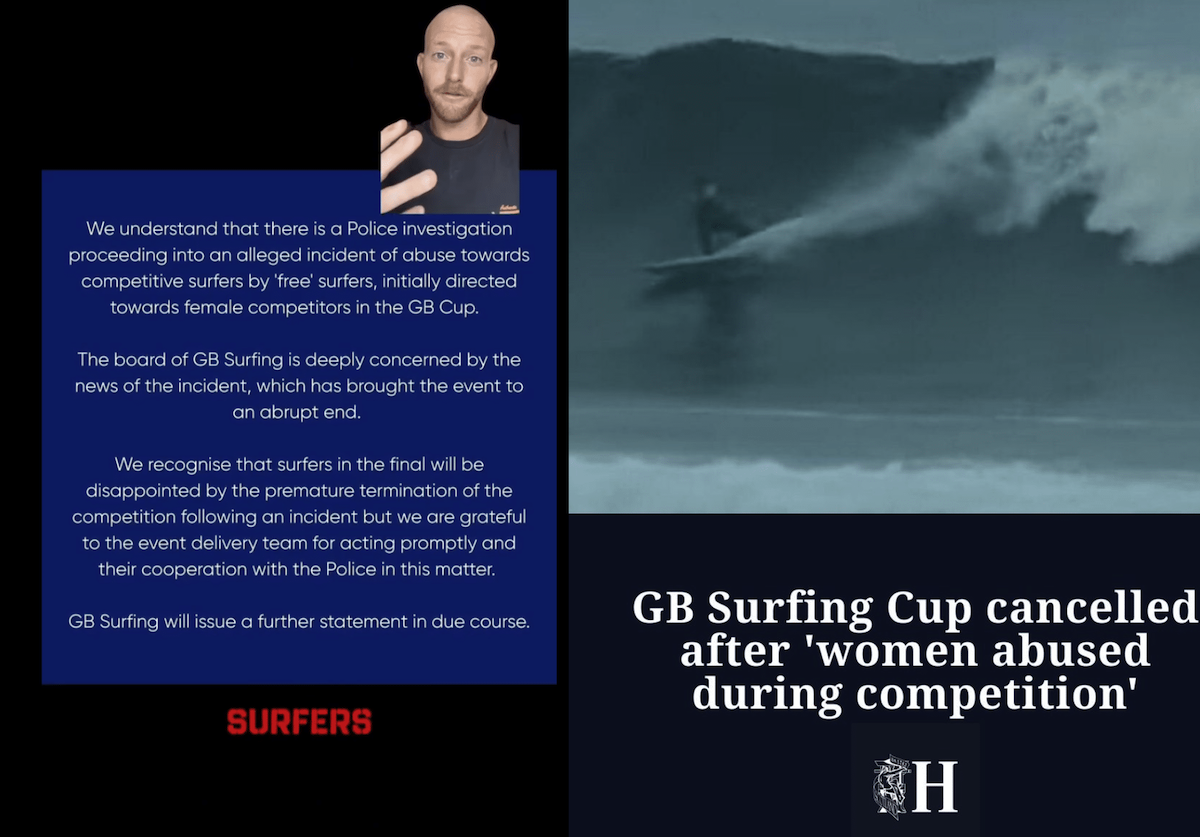
The controversy began when claims were published through an official CISF social media account alleging that Battrick had verbally abused female competitors, threatened a cameraman, and even held a female surfer underwater during the competition. Most alarming was the specific allegation that he had “ran over a 15-year-old girl mid heat, landing on top of her and pinning her to the reef,” leaving the young competitor “highly traumatized.”
Within half an hour of being posted, these allegations went viral across multiple platforms, generating millions of online interactions and spawning news articles across Europe, Australia, North America, Africa, and Asia. Despite the event having two live streams running and approximately 300 spectators present on shore, no footage supporting these accusations has ever emerged.
“To be falsely portrayed worldwide as someone who would abuse or harm fellow surfers was devastating — not just for me, but for my family, friends, and everyone connected with Lunasurf,” said Battrick, who co-founded the surf brand and has now seen his reputation severely damaged by the incident.
Police Scotland was called to the scene on the day of the confrontation, where officers removed Battrick from what they described as a “hostile crowd.” Their subsequent investigation, including analysis of body-worn camera footage, did not result in any charges against him. In fact, evidence revealed vandalism to vehicles at the venue and documented a beach altercation involving over 30 people, during which Battrick himself was surrounded, verbally abused, filmed, and repeatedly pushed by contest members and competitors.
The individual responsible for posting the original accusations on behalf of the CISF has now admitted that the allegations were false. Their formal apology acknowledges that Battrick did not interfere with the contest, did not verbally or physically abuse anyone, and that the “underwater” claim was entirely fabricated.
The impact on Battrick has been severe. Beyond the professional damage to his business, he faced what he describes as “a wave of online hate, bullying and harassment, including abusive messages and threats.” Several major media outlets and broadcasters repeated the allegations without seeking evidence or requesting his response.
“This could happen to anyone,” Battrick warned. “One false claim, posted from an ‘official’ account, can ignite a digital mob in minutes. Once that fire is lit, it spreads faster than any correction or apology ever can.”
The incident highlights growing concerns about social media’s role in amplifying unverified allegations. Battrick is now calling for comprehensive reforms, including an internal review within the CISF to determine how unverified allegations could be published from an official account without oversight or due process.
He’s also advocating for clear social media policies for surfing federations, teams, and event organizers to prevent unsubstantiated claims from being broadcast as fact. Additionally, he’s urging media outlets to exercise greater responsibility in verifying information before publishing potentially damaging material.
“I’m grateful to everyone who took the time to look at the facts, to the people who reached out privately with support when it felt like the whole world was against me, and to those within the authorities who took the truth seriously,” Battrick said.
While the formal apology represents an important step toward restoring his reputation, Battrick acknowledges that significant damage has already been done. Nevertheless, he expressed hope that his experience might lead to “better safeguards, more responsible reporting, and fewer innocent people being torn apart online.”
The incident serves as a sobering reminder of how quickly reputations can be damaged in the digital age, and the critical importance of verification before amplification in both official communications and media reporting.
Fact Checker
Verify the accuracy of this article using The Disinformation Commission analysis and real-time sources.

9 Comments
The public apology from the surfing organization is a positive step, but the damage from these false claims will likely linger. I hope Ian Battrick is able to rebuild his reputation and that the organization implements robust measures to prevent such incidents going forward.
Restoring one’s reputation after being the target of unsubstantiated allegations is an immense challenge. The surfing organization should consider ways to actively support Ian Battrick and help remedy the harm caused by their initial actions.
This is a serious situation and I’m glad the surfing organization has taken responsibility and apologized. False allegations can have devastating impacts on someone’s life and reputation. Hopefully this serves as a lesson on the importance of verifying facts before making public accusations.
Absolutely. It’s critical that organizations and media outlets exercise due diligence and ensure claims are substantiated before broadcasting them. Reputational damage from unsubstantiated allegations can be extremely difficult to undo.
It’s good to see the surfing organization taking responsibility and issuing an apology. However, the damage from these false allegations will likely linger. I hope this serves as a wake-up call for the industry to implement stronger safeguards against the spread of misinformation.
This is a cautionary tale about the power of social media to rapidly amplify unverified claims. I hope the surfing community learns from this experience and implements stronger fact-checking protocols to prevent similar situations in the future.
Agreed. The speed at which these allegations went viral, despite a lack of evidence, highlights the need for greater scrutiny of information shared on social media platforms. Responsible reporting is essential to uphold justice and protect individuals’ rights.
This case demonstrates the importance of due process and the presumption of innocence. While the surfing organization has apologized, the initial rush to judgment and public shaming is concerning. I hope lessons are learned to ensure fair and ethical practices in the future.
Agreed. The surfing community should reflect on how to uphold principles of justice and protect individuals from unwarranted reputational damage. A commitment to thorough investigation and impartial decision-making is crucial to prevent similar situations.