


Listen to the article
Online Retailers Fight Back Against “Friendly Fraud” as Chargeback Scams Surge
Small business owners across Australia are sounding the alarm over a growing wave of digital theft that threatens their livelihoods. Fraudulent chargebacks—where customers receive products, then falsely claim refunds through their banks—are leaving retailers with empty pockets and no recourse to recover their merchandise.
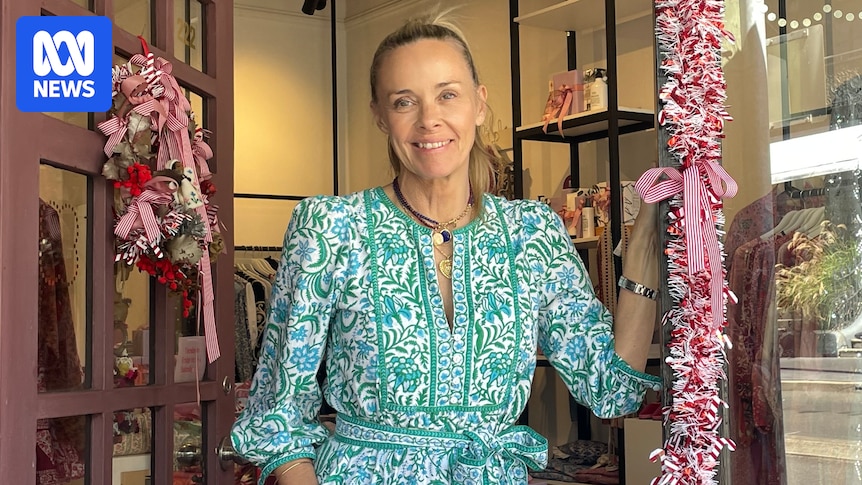
Sydney fashion boutique owner Ainslie has lost thousands of dollars to these scams in recent months. In one particularly frustrating case, she was duped by a seemingly genuine customer who engaged her in conversation before making a purchase.
“I actually spoke to her on the phone. She asked me about sizes, I told her what to get, and then she ordered online,” Ainslie explained. “About five or six weeks later, I got the chargeback notice. When I tried to call her, she just hung up.”
Ainslie, who requested her surname be withheld, reported that in both instances “the money had already been taken from our account before we even had a chance to write anything about the dispute.” She lost more than $2,000 to one fraudulent chargeback and $560 to another.
Small Businesses Unite Against Digital Theft
Victorian boutique owner Sam Kemp recently took to social media to express her frustration after falling victim to two fraudulent chargebacks in a single week, despite having evidence the orders were fulfilled.
“I know $1,000 doesn’t seem like much, but when it keeps happening over and over, it’s wearing me down,” she said. “I had confirmed with the customers before sending the orders, they had confirmed they’d placed them, and I even have photos from Australia Post showing the parcels were delivered.”
What Kemp didn’t anticipate was the flood of responses her video would generate. “I’ve had hundreds and hundreds of messages from other small businesses experiencing the same thing,” she said. “The losses are huge for small businesses and the stresses are enormous. It really does eat into profit at the end of the day because there’s not a lot of profit to begin with.”
The overwhelming response prompted Kemp to arrange meetings with state parliamentarians to raise awareness about the issue.
“This is just another added pressure for small business… it’s fraud, it’s theft,” said Nationals MP Jane Benham, Kemp’s local representative. “We see headlines about shoplifting and robberies in storefronts all the time, but this is another level. It’s happening digitally.”
Victoria’s Shadow Small Business Minister, Brad Rowswell, who also met with Kemp, said he would contact major banks to urge action. “Banking institutions need to realize just how tough it is to operate a small business in the first place, let alone go through this hoop and that hoop only to get the wrong answer,” he said.
E-Commerce Explosion Creates Vulnerability
Payments expert Brad Kelly, co-founder of the Independent Payments Forum representing about 120,000 small businesses, attributes the growing problem partly to the explosion in online commerce.
“The amount of transactions in e-commerce has skyrocketed to the point where this time next year, we will do more ‘card not present’ transactions than ‘card present’ ones,” Kelly explained. “That’s a complete shift in how the payment system works, and in many respects, the dispute and chargeback processes have not kept pace.”
Kelly described these incidents as “friendly fraud,” where shoppers exploit consumer protection systems designed to shield them from unauthorized transactions.
For small businesses, challenging these fraudulent chargebacks can be costly and time-consuming. Worse yet, multiple chargebacks can trigger red flags on merchant accounts, potentially leading banks or payment platforms to terminate their services.
“The more chargebacks they get, the more red flags appear on their account,” Kelly said. “This becomes a really difficult situation very quickly for merchants who are acting in good faith.”
Evidence Often Ignored
Chloe Watts, who runs online bookstore Blueberry Co, recently provided extensive evidence after receiving a chargeback request, including screenshots of the customer confirming receipt of the order. Still, her dispute was denied.
“If someone comes in and steals stock in person, there are security protocols you can put in place—cameras, police reports,” Watts said. “For online theft, there is nothing for us to do.”
The Australian Banking Association said in a statement: “Card schemes like Visa and Mastercard have specific rules about the basis upon which chargebacks can be raised and the timeframe in which they must be raised. Banks are aware of these concerns from small businesses and, where possible, will work with small businesses to resolve any disputes as quickly as possible.”
Visa said it had recently introduced rules “allowing businesses to use historical purchasing data to fight ‘friendly fraud'” and implemented measures designed to protect businesses from “repeat chargeback abuse.”
Kelly recommends that small businesses escalate denied disputes to the Australian Financial Complaints Authority. “The more merchants that start raising these issues with AFCA, the better, because at the moment it’s a very unfair and unbalanced system for small and medium businesses.”
Both NSW and Victoria Police indicated that fraudulent chargebacks are primarily handled by banks and their regulators, not police, unless specific crimes are reported.
Fact Checker
Verify the accuracy of this article using The Disinformation Commission analysis and real-time sources.

7 Comments
It’s disappointing to see small businesses being targeted in this way. Fraudulent chargebacks are a serious problem that can really undermine the financial viability of these local enterprises. I hope regulators and payment processors take steps to better protect retailers from these scams.
Friendly fraud is a major problem that needs to be addressed. Small businesses shouldn’t be left vulnerable to these kinds of exploitative tactics. Improved chargeback policies and stronger verification processes could help curb the rise in fraudulent claims.
Agreed. More needs to be done to support small businesses and prevent these kinds of scams from happening in the first place.
This is a troubling trend for small businesses. Fraudulent chargebacks can really hurt their bottom line, especially when the money is already withdrawn before they can dispute it. Retailers need better protection against these scams.
Losing thousands of dollars to these chargeback scams must be incredibly frustrating for small business owners. They work so hard to build up their companies, only to have their earnings stolen by dishonest customers. This is a concerning trend that needs to be addressed.
Absolutely. Small businesses need more support and stronger safeguards to prevent these kinds of fraudulent activities from decimating their profits.
That’s really unfortunate to hear about the losses these small businesses are facing due to fraudulent chargebacks. It’s a stressful situation when you can’t even recoup the merchandise or the money. I hope there are policy changes to better protect retailers.