


Listen to the article
Climate scientists around the world continue to observe and document the increasing frequency and intensity of extreme weather events linked to human-caused climate change, despite persistent misinformation claiming otherwise.
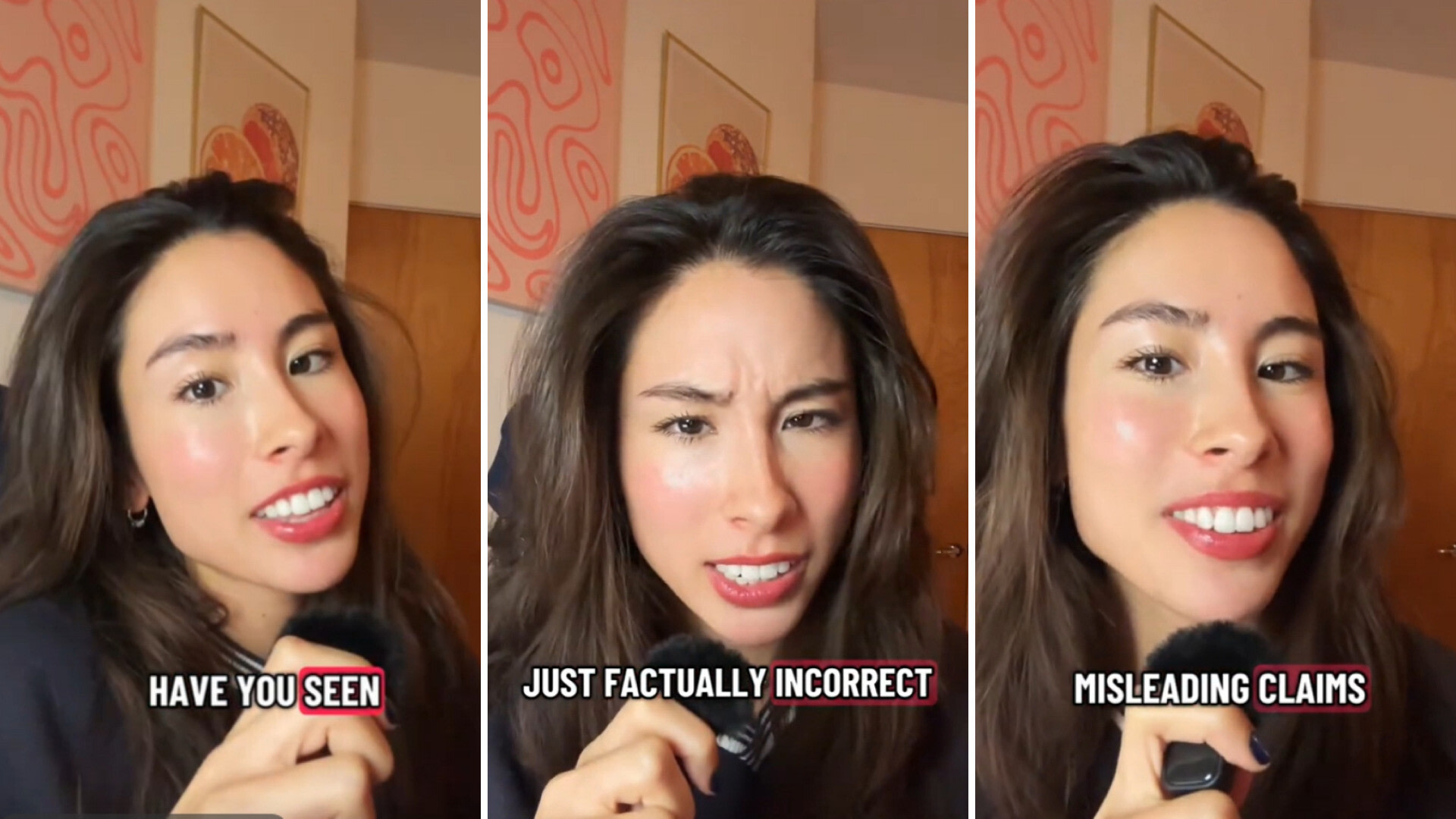
A recent TikTok video by climate communicator Lia (@liaandtheworld) directly challenges false statements made by a self-described former climate advocate who incorrectly claimed that the U.N. Intergovernmental Panel on Climate Change (IPCC) found no increase in extreme weather events.
“The IPCC and thousands of climate scientists for decades literally say the opposite,” Lia explained in her rebuttal video. “Heatwaves, floods, extreme precipitation, and others are all rising in intensity and/or frequency and clearly linked to human activity. The facts are there; they’re just hoping you don’t read them.”
The scientific consensus on this matter is unambiguous. The IPCC’s Sixth Assessment Report, published in 2023, states: “Evidence of observed changes in extremes such as heatwaves, heavy precipitation, droughts, and tropical cyclones, and, in particular, their attribution to human influence, has strengthened” since their previous assessment.
This misrepresentation of scientific findings is part of a troubling pattern of climate misinformation that continues to circulate on social media platforms. Such falsehoods can undermine public understanding of climate science at a critical time when informed action is urgently needed.
Multiple authoritative scientific bodies corroborate the IPCC’s conclusions. NASA and the World Meteorological Organization have consistently documented how human activities—particularly the burning of fossil fuels like coal, oil, and natural gas—have altered the climate system, resulting in more frequent and severe extreme weather events worldwide.
The real-world consequences of these intensifying weather patterns are increasingly evident. Communities around the globe are experiencing devastating floods, prolonged droughts, record-breaking heatwaves, and more powerful hurricanes. These events have displaced vulnerable populations, including elderly residents, and created significant economic burdens.
The financial implications extend beyond immediate disaster recovery costs. Insurance premiums are rising in high-risk areas, and utility costs are increasing as power grids struggle to cope with extreme temperature fluctuations. According to industry analysts, these economic impacts will continue to grow as climate change accelerates.
“These aren’t just abstract scientific observations—they represent real suffering and disruption to people’s lives,” explains Dr. Michael Carter, a climate scientist at Columbia University who was not involved in the TikTok exchange. “When misinformation downplays these connections, it delays necessary adaptation and mitigation efforts that communities desperately need.”
The scientific methodology behind attributing extreme weather events to climate change has become increasingly sophisticated in recent years. Through a combination of observational data, historical records, and advanced climate models, researchers can now quantify how much more likely or severe certain weather events have become due to human influence.
Viewers responding to Lia’s fact-checking video expressed appreciation for these clarifications, with one commenter writing, “Thanks for making these rebuttal videos!” Others hoped the original spreader of misinformation would see the correction.
As climate change continues to reshape weather patterns globally, accurate communication of scientific findings remains crucial for informing public policy and individual actions. The overwhelming scientific consensus points to a clear conclusion: human activities are increasing both the frequency and severity of extreme weather events, and addressing this reality requires acknowledging the science rather than distorting it.
Fact Checker
Verify the accuracy of this article using The Disinformation Commission analysis and real-time sources.

9 Comments
The scientific consensus on the link between human activity and extreme weather is quite strong. I hope this new study helps further solidify the evidence and pushes back against climate denial.
It’s disheartening to see climate misinformation spreading, but I’m glad to see credible voices pushing back. The IPCC’s findings should be the authoritative source on these matters.
Fascinating to see the scientific consensus continue to evolve on climate change. It’s important we stay vigilant against misinformation and focus on the facts from credible sources like the IPCC.
It’s disheartening to see persistent misinformation spreading about such an important issue. Kudos to the climate communicator for taking the time to directly challenge those false statements with facts.
This is a great example of how the scientific process works, with new findings sometimes contradicting previous research. It’s crucial we stay open-minded and focus on the preponderance of evidence.
The increasing frequency and intensity of extreme weather events is a concerning trend that requires urgent action. I hope this new study galvanizes policymakers to enact meaningful climate policies.
I’m glad to see climate scientists pushing back against false claims about extreme weather events. The evidence is clear that they are increasing in frequency and intensity due to human-caused climate change.
Exactly. We need to rely on authoritative, peer-reviewed sources like the IPCC, not social media influencers making unsubstantiated claims.
I appreciate the IPCC continuing to thoroughly assess the latest climate science. Their reports provide a valuable resource for understanding the complex reality of how our climate is changing.