


Listen to the article
The fatal shooting of Renee Goode by U.S. Immigration and Customs Enforcement (ICE) agents on January 7 has sparked nationwide controversy, particularly regarding the Trump administration’s subsequent attempts to classify the incident as domestic terrorism.
According to video evidence and expert analysis, ICE agents opened fire on Goode, fatally shooting her three times in circumstances that many experts have questioned. A former FBI agent who reviewed the footage noted that Goode did not appear to present any imminent threat to officers at the time of the shooting.
In the immediate aftermath, Trump administration officials moved quickly to frame the incident as an act of domestic terrorism, claiming Goode had attempted to run down federal agents as part of a coordinated resistance against immigration policies. This characterization came amid increasing tensions in opposition-led cities where ICE operations have intensified in recent months.
Law enforcement experts have raised significant concerns about the shooting’s compliance with standard use-of-force protocols. Current guidelines generally prohibit firing at moving vehicles, particularly multiple shots as occurred in this case. These procedural questions have become central to the public discourse surrounding the incident.
What’s particularly notable about the public response is the widespread rejection of the terrorism narrative pushed by administration officials. When Vice Presidential candidate J.D. Vance was dispatched to defend the action, he notably pivoted away from terrorism allegations, focusing instead on procedural justifications and questions of compliance with officer commands.
Social media analysis reveals that even among those defending the ICE agents’ actions, few have embraced the terrorism framework. Instead, defenders have concentrated on Goode’s alleged behavior and compliance with law enforcement instructions, arguing she created a dangerous situation through her own actions.
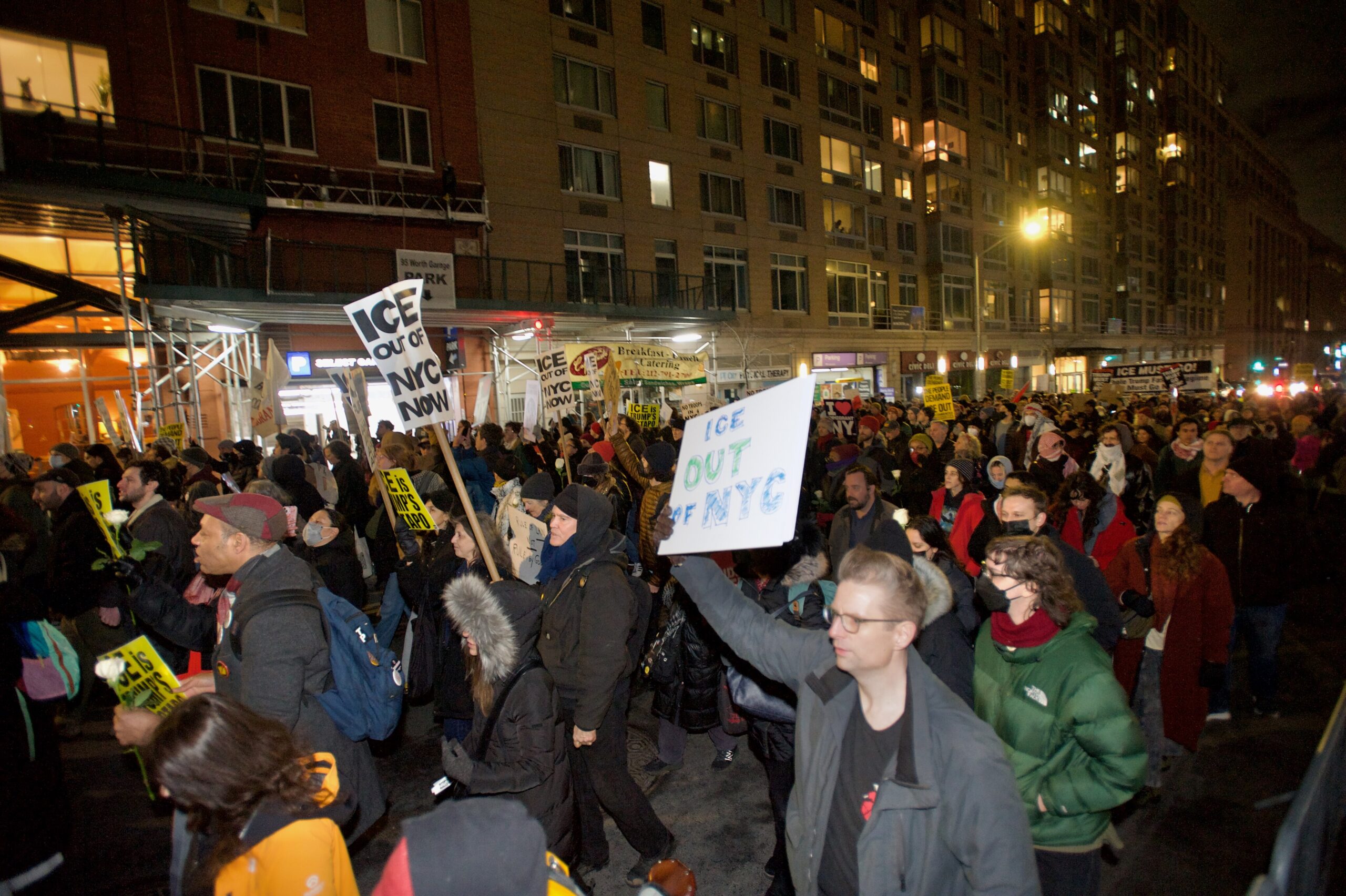
Meanwhile, community members and witnesses have characterized Goode as a caring individual with no connections to extremist activities. Friends and family have vehemently rejected any suggestion she harbored terrorist intentions. Counter-narratives have emerged suggesting that aggressive ICE tactics themselves constitute a form of state intimidation toward immigrant communities.
The incident occurs against a backdrop of increasingly aggressive immigration enforcement under the Trump administration, which has deployed federal agents to cities led by opposition politicians. Critics have pointed to a pattern of confrontational tactics against both undocumented immigrants and protesters, including religious leaders participating in demonstrations.
Security and terrorism experts examining the case have identified significant discrepancies between standard definitions of terrorism and the circumstances of Goode’s death. This expert skepticism has further undermined administration attempts to frame the narrative.
The public’s reluctance to accept the terrorism designation represents a potential shift in how such claims are received. During previous national security crises, particularly following September 11, 2001, terrorism accusations often shut down rational debate and limited critical analysis of government actions.
The Goode case suggests possible boundaries to official terrorism designations, especially when contradicted by objective evidence. This development challenges aspects of critical terrorism studies, which have long maintained that terrorism labels primarily function as tools of control by those in power.
Rather than indicating the term “terrorism” should be abandoned entirely, the case demonstrates the value of clear, objective definitions that can be applied consistently regardless of political agendas. When such definitions exist, false or exaggerated claims become more difficult to sustain in the public sphere.
As investigations into the shooting continue, the debate highlights broader questions about immigration enforcement tactics, the use of force by federal agents, and the responsibility of government officials to provide accurate characterizations of violent incidents involving their agencies.
Fact Checker
Verify the accuracy of this article using The Disinformation Commission analysis and real-time sources.

7 Comments
This is a troubling case that raises serious questions about the use of force and potential overreach by ICE agents. Classifying a fatal shooting as ‘domestic terrorism’ seems like an extreme and concerning escalation, especially given the lack of clear evidence of an imminent threat.
This case highlights the need for greater oversight and accountability when it comes to the actions of federal immigration enforcement agencies like ICE. Rushing to label this a domestic terror incident seems like an attempt to deflect from potential wrongdoing.
While the full details are not yet clear, the available evidence does seem to suggest the shooting may not have been justified under standard use-of-force protocols. It’s crucial that these incidents are thoroughly investigated to ensure accountability and prevent future tragedies.
I agree, a thorough and impartial investigation is essential to determine exactly what happened and whether the actions of the ICE agents were appropriate and warranted.
The Trump administration’s attempt to characterize this as an act of domestic terrorism is quite concerning and appears to be a concerning political maneuver rather than an objective assessment of the facts. Classifying this type of incident as terrorism sets a dangerous precedent.
I’m curious to hear more from law enforcement experts and independent analysts about their assessment of the shooting and the appropriateness of the ICE agents’ actions. Careful scrutiny of use-of-force policies and protocols is vital in these types of cases.
Yes, I share your interest in hearing from impartial experts. Their analysis will be crucial in determining whether this incident was handled properly or if there were any violations of standard procedures.