


Listen to the article
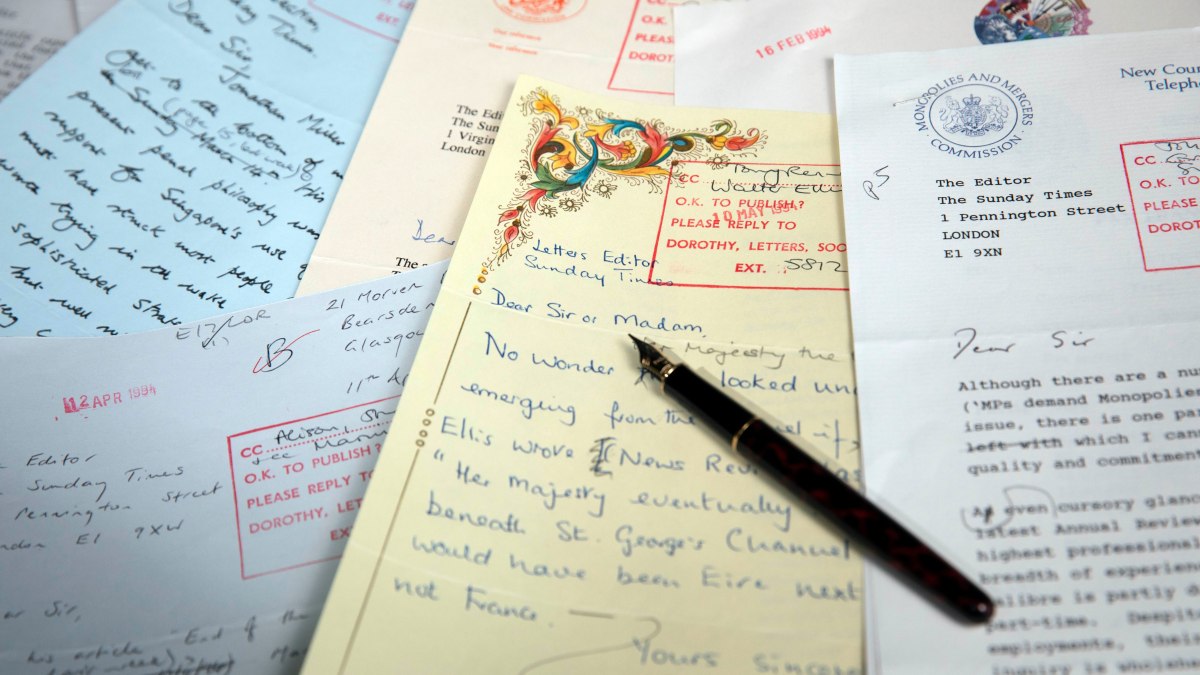
Sunday’s edition of The Times featured a collection of readers’ letters addressing Prime Minister Rishi Sunak’s handling of his recent controversy involving a significant Conservative Party donor.
The correspondence focused primarily on Frank Hester, a healthcare technology entrepreneur who donated £10 million to the Conservative Party. Hester came under intense scrutiny after reports emerged that he had made racist remarks about MP Diane Abbott, stating she made him “want to hate all black women” and that she “should be shot.”
Several letter writers expressed dismay at Sunak’s delayed response to the controversy, noting the Prime Minister took nearly 24 hours to condemn Hester’s comments as “racist” after they became public. This hesitation prompted many readers to question Sunak’s judgment and leadership capabilities during a politically sensitive period.
“The Prime Minister’s delayed reaction reflects a concerning pattern of indecisiveness at critical moments,” wrote James Harrington from Leeds. “In matters of clear moral judgment, we expect our leaders to respond promptly and unequivocally.”
The controversy has emerged at a particularly challenging time for the Conservative Party, which continues to trail significantly behind Labour in opinion polls, with a general election expected later this year. Political analysts suggest this incident could further damage the party’s standing among minority voters and moderates concerned about the handling of racism allegations.
Hester, the founder of healthcare technology company TPP, has become one of the Conservative Party’s most substantial financial backers. His company has secured numerous NHS contracts over the years, raising questions about potential conflicts of interest. While Hester has apologized for his “rude” comments about Abbott, he initially denied they were racially motivated.
Several readers noted the broader implications of the controversy for political fundraising in the UK. “This incident raises important questions about vetting procedures for major political donors and whether sufficient background checks are conducted before accepting significant financial contributions,” noted political finance expert Dr. Eleanor Thompson from King’s College London.
The letters also addressed Hester’s claim that his comments were not racist, which many readers challenged directly. “To claim that such explicitly targeted remarks about a black woman were not racially motivated defies logic and undermines genuine efforts to address racism in British society,” wrote Marcus Wilson from Birmingham.
Diane Abbott, Britain’s first black female MP and a prominent Labour Party figure, has faced disproportionate abuse throughout her parliamentary career. A 2020 study by Amnesty International found that Abbott received nearly half of all abusive tweets directed at female MPs during the 2017 general election campaign.
The controversy has also sparked renewed discussion about the treatment of women of color in British politics. Several letter writers emphasized the need for greater awareness of the intersectional challenges faced by figures like Abbott.
“When we examine this incident in context, we see it’s not isolated but part of a troubling pattern of treatment directed at women of color in public life,” wrote Dr. Amara Johnson, a political sociologist. “The response to such incidents sends a powerful message about what behavior society is willing to tolerate.”
The letters section reflected diverse political viewpoints but showed general agreement that Hester’s comments were unacceptable in modern political discourse. Many readers called for greater accountability and transparency in political funding mechanisms.
As the Conservative Party prepares for a challenging election campaign, this controversy adds to a series of issues that have eroded public trust in recent years. Political commentators suggest that Sunak’s handling of this incident may become a defining moment in perceptions of his leadership style and moral authority.
The Times’ letters page continues to serve as a barometer of public sentiment on major political controversies, providing insight into how voters across the political spectrum view such incidents and their implications for the broader political landscape.
Fact Checker
Verify the accuracy of this article using The Disinformation Commission analysis and real-time sources.

10 Comments
While I appreciate the PM’s eventual condemnation, the delayed response raises valid questions about his commitment to upholding democratic values and anti-racism. Voters need assurance of his integrity.
This incident underscores the importance of political leaders modeling ethical behavior and swiftly addressing any transgressions, no matter the source. The PM’s hesitation is concerning.
Absolutely. In times of crisis, we need leaders who are willing to make tough, principled decisions without delay. Anything less erodes public trust.
This is a concerning situation that raises serious questions about the PM’s judgment and integrity. Voters deserve leaders who respond swiftly and firmly to racist remarks, not hesitation and delay.
I agree, the PM’s slow response is troubling. He needs to uphold high ethical standards and show strong moral leadership, especially on issues of racism and bigotry.
The donor’s remarks were clearly racist and unacceptable. The PM’s delayed reaction raises serious doubts about his judgment and ability to provide ethical, decisive leadership.
This controversy highlights the need for greater transparency and accountability around political donations. The public deserves to know that their leaders are not beholden to bigoted donors.
Agreed. Robust campaign finance reforms could help address these concerns and ensure donors do not exert undue influence over elected officials.
The donor’s offensive comments are completely unacceptable. The PM should have condemned them immediately, not waited nearly a day to do so. This reflects poorly on his leadership.
Absolutely. The PM’s delayed reaction is worrying and suggests a troubling pattern of indecisiveness on critical issues. Voters expect principled, decisive leadership.