


Listen to the article
Nigeria’s diplomatic team is actively countering what officials describe as misleading narratives about religious persecution in the country, according to Minister of Information and National Orientation Mohammed Idris.
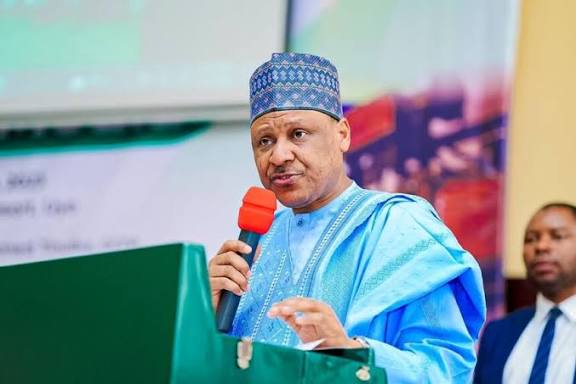
Speaking during an interview on Channels TV’s “Politics Today” on Friday, Idris confirmed that a high-level Nigerian delegation led by National Security Adviser Malam Nuhu Ribadu is currently in Washington, D.C. engaging with U.S. officials to address concerns raised in American political and advocacy circles.
“We are not leaving any space for misinformation to stand. Our officials are in Washington with facts, data, and a clear message, which is that there is no government-sponsored persecution of any religious group in Nigeria,” Idris stated during the broadcast.
The delegation has conducted extensive meetings with senior American officials, including the U.S. Secretary of Defense, members of Congress, State Department representatives, and other key stakeholders. These discussions have centered on providing detailed briefings about Nigeria’s security landscape, ongoing counterterrorism operations, and inter-agency coordination efforts.
Nigeria has faced criticism in recent years from some international observers who have characterized violence in parts of the country as religiously motivated. The Middle Belt region, in particular, has experienced deadly clashes that some groups have portrayed as systematic persecution of Christians. However, the Nigerian government maintains that these conflicts are more complex, involving resource competition, criminal activity, and extremism that affects citizens of all faiths.
“Our mission is simple,” Idris explained. “We are showing our partners the full context of the security situation, the steps the government is taking, and the fact that extremists have killed both Christians and Muslims. These narratives of genocide are not only incorrect, they are dangerous.”
The diplomatic initiative comes at a time when Nigeria faces multiple security challenges, including operations against armed groups in the northwest, ongoing concerns about Boko Haram and Islamic State West Africa Province (ISWAP) in the northeast, and communal tensions in central regions. These complex issues have sometimes been oversimplified in international discourse.
According to Idris, President Bola Ahmed Tinubu’s administration considers the matter of Nigeria’s international reputation a priority, pointing to recent efforts to strengthen the country’s security architecture and expand international cooperation on intelligence and counterterrorism operations.
Security analysts note that Nigeria’s multi-pronged approach is essential, as the country’s size and diversity make uniform security solutions impractical. The delegation’s efforts to provide context-specific data may help foreign partners better understand regional variations in security challenges across Nigeria’s 36 states.
The minister emphasized that the government remains committed to defending Nigeria’s global reputation while ensuring that assessments by foreign partners are based on verified information rather than what he termed “one-sided accounts.” Additional diplomatic engagements are planned in the coming days as part of what Idris described as a “structured, government-wide response” to counter misinformation.
Nigeria, Africa’s most populous nation with over 200 million citizens, has a roughly equal division between Christians and Muslims, with numerous indigenous belief systems also practiced. The secular constitution guarantees freedom of religion, though implementation challenges persist at local levels in some regions.
Idris concluded by urging Nigerians to remain calm, assuring the public that the government will continue addressing domestic security concerns while maintaining active diplomatic engagement to ensure the country is accurately represented in international forums.
The delegation’s visit reflects the growing importance of narrative management in international relations, particularly for African nations seeking to shape their own stories on the global stage rather than having external actors define their challenges.
Fact Checker
Verify the accuracy of this article using The Disinformation Commission analysis and real-time sources.

8 Comments
Addressing concerns raised by political and advocacy groups is a sensible move by the Nigerian delegation. Clearing up misinformation is crucial, especially on sensitive national security matters.
I hope the meetings with US officials lead to constructive outcomes that benefit both countries. Open communication and fact-sharing can strengthen diplomatic ties.
It’s good to see the Nigerian government proactively addressing misconceptions about their security situation. Providing facts and data to US officials is important to foster greater understanding.
Transparent dialogue between nations can help resolve issues and promote stability. I’m curious to learn more about Nigeria’s counterterrorism efforts and inter-agency coordination.
Nigeria taking the initiative to address concerns in the US is a prudent diplomatic move. Providing data and a clear message can help counter false narratives and build mutual understanding.
Productive discussions between Nigerian and US officials on national security matters are encouraging. Fact-sharing and transparent communication are crucial for resolving complex global issues.
It’s important for nations to directly engage and provide transparency when facing criticism or misconceptions about their internal affairs. Nigeria seems proactive in setting the record straight.
Detailed briefings on security, counterterrorism, and coordination efforts could help the US better understand Nigeria’s challenges. Fact-based dialogue is essential for addressing complex geopolitical issues.