


Listen to the article
A prominent Canadian musician has had a concert canceled after Google’s AI system falsely labeled him as a convicted sex offender, raising serious concerns about the accuracy and potential real-world consequences of AI-generated content.
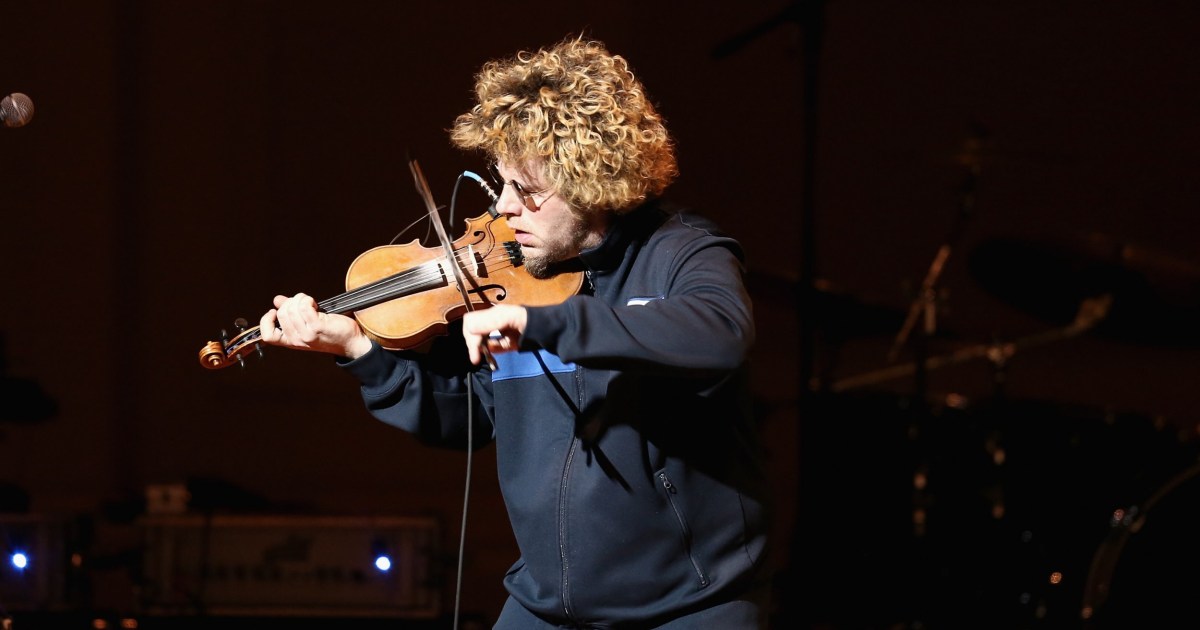
Ashley MacIsaac, the celebrated Canadian fiddler, singer, and songwriter, discovered the damaging misinformation after event organizers at the Sipekne’katik First Nation, located north of Halifax, confronted him with the false information and subsequently canceled his December 19 performance.
The error occurred when Google’s AI overview feature apparently merged MacIsaac’s biography with information about another individual sharing the same name. The falsified summary claimed the musician had been convicted of several serious crimes, including sexual assault, internet luring, assaulting a woman, and attempting to assault a minor. It also falsely stated he was listed on the national sex offender registry.
“You are being put into a less secure situation because of a media company — that’s what defamation is,” MacIsaac told The Canadian Press. “If a lawyer wants to take this on for free, I would stand up because I’m not the first and I’m sure I won’t be the last.”
The musician expressed concern about the potential far-reaching consequences of such misinformation. “I could have been at a border and put in jail,” he said. “So something has to be figured out as far as what the AI companies are responsible for and what they can prevent.”
This incident highlights the growing problem of AI-generated misinformation as large language models become more integrated into search engines and information platforms. For touring performers like MacIsaac, whose career depends on both public perception and the ability to travel freely, such errors can have devastating professional and personal impacts.
Since the error was discovered, Google has updated the AI overview to remove the false information. The Sipekne’katik First Nation has also issued a formal apology to MacIsaac, acknowledging the mistaken identity caused by the AI error and extending a welcome for future performances.
“We deeply regret the harm this error caused to your reputation, your livelihood, and your sense of personal safety,” the First Nation said in their statement. “It is important to us to state clearly that this situation was the result of mistaken identity caused by an AI error, not a reflection of who you are.”
Google Canada spokesperson Wendy Manton addressed the situation in a statement, noting that AI overviews are constantly evolving to provide what the company considers the most “helpful” information. “When issues arise — like if our features misinterpret web content or miss some context — we use those examples to improve our systems, and may take action under our policies,” Manton said.
The incident comes during a period of rapid AI integration across major tech platforms, with many companies rushing to implement AI-powered features despite ongoing concerns about accuracy, reliability, and potential harm. Legal experts have increasingly warned about the complex liability questions surrounding AI-generated defamation, which often falls into gray areas of existing law.
While MacIsaac looks forward to eventually rescheduling his performance at Sipekne’katik First Nation, he expressed a desire to wait until the situation settles. “I don’t feel comfortable about going there right now because I don’t think the proper information can be disseminated within a week,” he explained. “It’s seen so many shares. I didn’t want to bring any negative attention to the community.”
The case serves as a cautionary tale about the potential real-world consequences of AI errors and raises important questions about accountability, oversight, and remediation processes as these technologies become increasingly embedded in our information ecosystem.
Fact Checker
Verify the accuracy of this article using The Disinformation Commission analysis and real-time sources.

14 Comments
This is a concerning issue that highlights the potential dangers of AI-generated content. Spreading false information about someone can have serious real-world consequences, as we’ve seen with this canceled concert. We need to ensure AI systems are more reliable and accountable.
Absolutely. The musician is right to pursue legal action against the defamation. AI companies must be held responsible for the accuracy of their outputs.
This is a troubling example of the potential risks associated with AI-generated content. The musician’s experience highlights the importance of ensuring AI systems are rigorously tested and validated to prevent the spread of false information that can have devastating consequences.
You’re right, this case is a wake-up call. AI companies must be held accountable for the accuracy and integrity of their systems, especially when dealing with sensitive personal information. Stronger safeguards are clearly needed.
It’s troubling to see how easily misinformation can spread through AI systems. This case underscores the need for more robust safeguards and transparency around the use of AI, especially when it comes to sensitive personal information.
Agreed. The impact on this musician’s career and reputation is devastating. Greater oversight and accountability for AI developers is crucial to prevent such harmful errors in the future.
The musician’s situation is a stark reminder of the potential dangers of AI-generated misinformation. This case highlights the urgent need for more robust safeguards and transparency measures to ensure the reliability and accountability of these technologies.
You’re right, this incident is deeply troubling. The musician’s experience is a clear example of the real-world harm that can result from AI-driven falsehoods. Greater oversight and stronger validation protocols for AI systems are critical to prevent such devastating consequences.
It’s disheartening to see how a simple error in an AI system can lead to such serious damage. The musician’s situation underscores the critical need for greater transparency and accountability in the development and deployment of AI technologies.
Absolutely. This case demonstrates the real-world harm that can result from AI-driven misinformation. Stricter regulations and oversight are essential to prevent such incidents and protect individuals from this type of defamation.
This story is a stark reminder of the real-world consequences that can arise from AI-generated falsehoods. The musician’s experience highlights the importance of verifying information and the need for AI systems to be held to high standards of accuracy.
You make an excellent point. Relying on unverified AI-generated content can have severe ramifications, as this case has shown. Rigorous testing and validation protocols for AI systems are clearly necessary.
This is a concerning incident that underscores the need for greater oversight and accountability in the development and deployment of AI systems. The musician’s experience shows how easily false information can be generated and the serious real-world impact it can have.
Absolutely. This case demonstrates the critical importance of verifying the accuracy of AI-generated content, particularly when it involves sensitive personal details. Stricter regulations and auditing processes are essential to prevent such harmful errors in the future.