


Listen to the article
Mali’s military government has suspended two French television channels, accusing them of broadcasting false information about a fuel blockade imposed by an al-Qaeda-affiliated group in the West African nation.
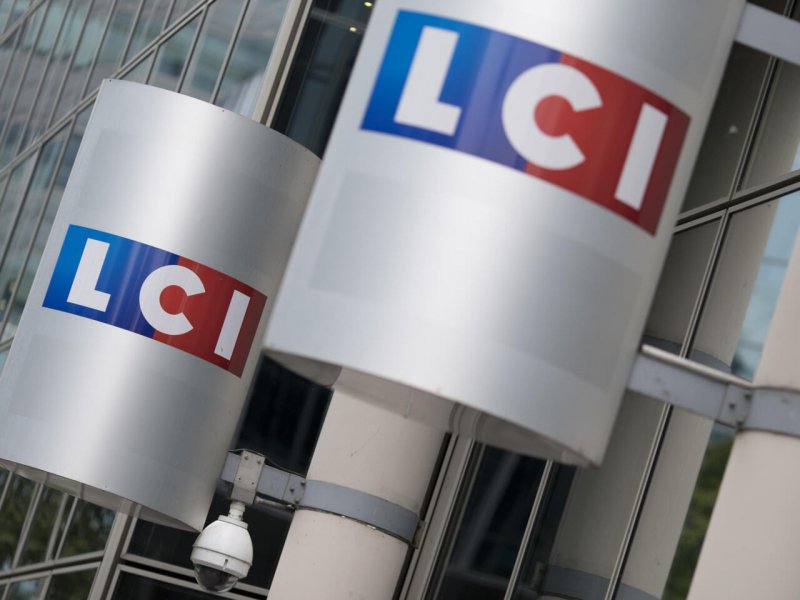
The High Authority for Communication, Mali’s media regulatory body, ordered distributors to remove TF1 and LCI from their packages “until further notice,” according to a letter dated November 13 that was made public on Friday. The suspension came in response to what authorities described as “unverified claims and falsehoods” in a November 9 broadcast.
Specifically, the regulatory body disputed three statements made during the channels’ coverage: that “the junta has banned the sale of fuel,” that “Kayes and Nioro regions are completely under blockade,” and that “the terrorists are now close to bringing down the capital (Bamako).”
The fuel shortage crisis stems from a blockade imposed by Jama’at Nusrat al-Islam wal-Muslimin (JNIM), an al-Qaeda-linked militant group operating in Mali. Since September, JNIM has restricted fuel deliveries to the landlocked nation, creating severe shortages that have manifested in long lines at gas stations across the country.
The deepening crisis has prompted several Western diplomatic missions, including those of the United States and France, to advise their citizens to leave Mali as security conditions deteriorate.
This media suspension represents the latest chapter in deteriorating relations between Mali and France, its former colonial ruler. Since taking power in a 2020 coup and consolidating control with a second coup in 2021, Mali’s military government has expelled French forces that had been helping fight jihadist insurgents and has increasingly pivoted toward Russia for security support.
Mali is part of a growing trend of military takeovers in the Sahel region, with neighboring Niger and Burkina Faso also now governed by juntas that seized power promising to improve security for their citizens. All three nations have experienced a surge in jihadist violence in recent years, with armed groups exploiting vast, sparsely populated areas and porous borders to launch attacks against civilians and security forces.
Security analysts note that despite the juntas’ promises of improved safety, the situation has worsened significantly. The region has witnessed record numbers of attacks and civilian casualties at the hands of both Islamic militants and government forces.
The fuel blockade represents a significant strategic threat to Mali’s military government. By restricting fuel supplies, militant groups can effectively paralyze transportation networks, limit military mobility, and create widespread economic hardship that undermines public confidence in the authorities.
Mali’s government has been particularly sensitive to international media coverage of its security challenges, frequently accusing Western outlets of bias or exaggeration. The suspension of TF1 and LCI follows similar actions against other international broadcasters, including Radio France Internationale and France 24, which were banned from operating in Mali in 2022.
The JNIM has increasingly demonstrated its ability to control territory and resources in parts of Mali, presenting a direct challenge to the junta’s claims of improving security. The group’s fuel blockade strategy shows a sophisticated understanding of how to exploit economic vulnerabilities to weaken the state’s authority.
As the crisis continues, Mali’s 20 million citizens face not only security threats but also economic hardship exacerbated by international sanctions, regional isolation, and now severe fuel shortages that impact everything from transportation to power generation and food distribution in a country already struggling with poverty and climate-related challenges.
Fact Checker
Verify the accuracy of this article using The Disinformation Commission analysis and real-time sources.

29 Comments
Nice to see insider buying—usually a good signal in this space.
Good point. Watching costs and grades closely.
Uranium names keep pushing higher—supply still tight into 2026.
Good point. Watching costs and grades closely.
If AISC keeps dropping, this becomes investable for me.
Good point. Watching costs and grades closely.
Good point. Watching costs and grades closely.
Uranium names keep pushing higher—supply still tight into 2026.
Good point. Watching costs and grades closely.
Good point. Watching costs and grades closely.
Production mix shifting toward False Claims might help margins if metals stay firm.
Silver leverage is strong here; beta cuts both ways though.
Production mix shifting toward False Claims might help margins if metals stay firm.
Good point. Watching costs and grades closely.
Good point. Watching costs and grades closely.
Interesting update on Mali Suspends French TV Channels Amid Accusations of False Reporting. Curious how the grades will trend next quarter.
Good point. Watching costs and grades closely.
Good point. Watching costs and grades closely.
Uranium names keep pushing higher—supply still tight into 2026.
Interesting update on Mali Suspends French TV Channels Amid Accusations of False Reporting. Curious how the grades will trend next quarter.
I like the balance sheet here—less leverage than peers.
Good point. Watching costs and grades closely.
If AISC keeps dropping, this becomes investable for me.
I like the balance sheet here—less leverage than peers.
Good point. Watching costs and grades closely.
Good point. Watching costs and grades closely.
Nice to see insider buying—usually a good signal in this space.
Good point. Watching costs and grades closely.
I like the balance sheet here—less leverage than peers.