


Listen to the article
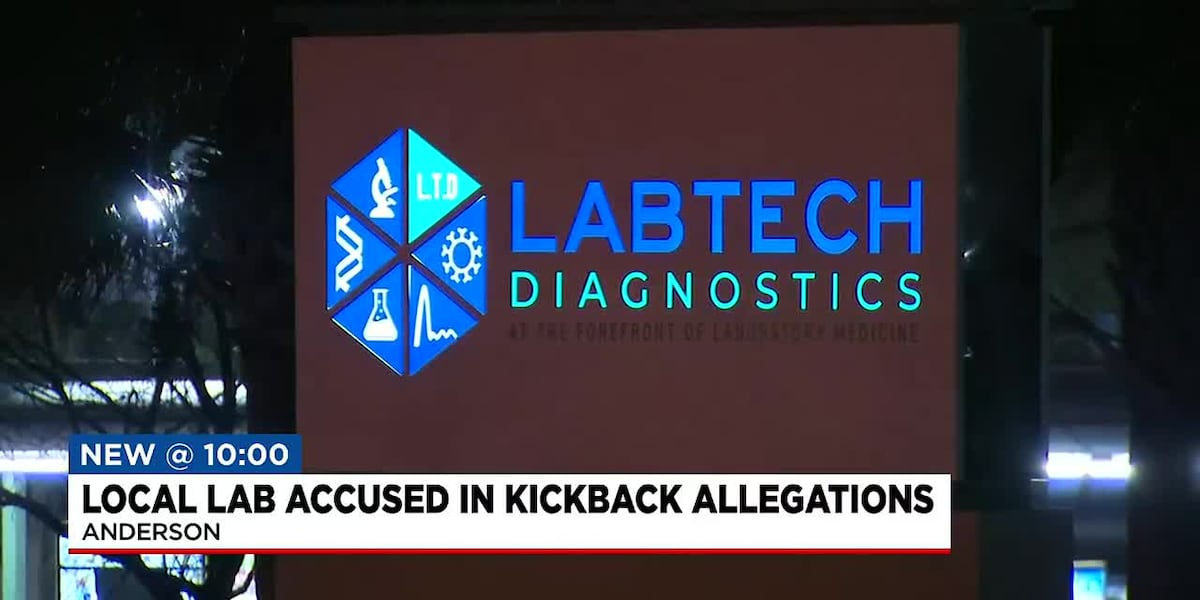
U.S. laboratory company Labtech Diagnostics has agreed to pay at least $6.8 million to resolve False Claims Act allegations involving illegal kickbacks to physicians, according to the U.S. Department of Justice. The Anderson, South Carolina-based firm, now known as Clinical Laboratory LTD Holding LLC, will also pay an additional $103,551.90 in restitution.
The company and its CEO Joseph Labash, a United Arab Emirates national, have admitted to knowingly and willfully engaging in five different kickback schemes designed to generate laboratory testing referrals, violating the federal Anti-Kickback Statute.
Federal investigators uncovered evidence that between August 2018 and November 2021, Labtech disguised kickbacks to doctors under the pretense of office space rental fees, phlebotomy services, and toxicology payments. The laboratory’s executives went to extraordinary lengths to conceal these illegal arrangements, including hand-delivering money orders to physicians, creating fraudulent contracts that mischaracterized the nature of payments, and falsifying documentation related to square footage and working hours on “fraud and abuse” certification forms.
“Patients trust doctors to exercise their unbiased medical judgment in ordering clinical testing,” said Assistant Attorney General Brett A. Shumate of the Justice Department’s Civil Division. “Companies and executives who pay illegal kickbacks to referring doctors corrupt those doctors’ independence, leaving patients vulnerable to expensive and unnecessary testing.”
The investigation also revealed that Labtech orchestrated additional kickback schemes targeting specific medical practices. From September to December 2016, the company allegedly paid a Charlotte, North Carolina physician practice inflated prices for used laboratory equipment as an inducement for test referrals.
In another scheme running from March 2018 through November 2021, Labtech provided a pain management practice in Landis, North Carolina with free services and supplies for preliminary drug screening tests. In exchange, the practice referred its more profitable drug confirmation testing to Labtech, creating a lucrative revenue stream for the laboratory through improper means.
The Anti-Kickback Statute specifically prohibits offering, paying, soliciting, or receiving remuneration to induce referrals for services covered by federal healthcare programs including Medicare and Medicaid. These prohibitions are designed to protect patients from financial influences that might compromise medical decision-making.
Healthcare fraud involving laboratory services has become a focus area for federal enforcement in recent years. Laboratories have faced increasing scrutiny as the sector has grown significantly, particularly during the COVID-19 pandemic. The Justice Department has prioritized cases involving kickbacks as they typically result in unnecessary testing that drives up healthcare costs for government programs and taxpayers.
This case represents part of a broader effort to combat healthcare fraud, which costs American taxpayers billions annually. The federal government has recovered more than $5 billion in False Claims Act settlements and judgments related to healthcare fraud in recent years.
As part of the resolution, Labtech has agreed to plead guilty to five counts of offering and paying healthcare kickbacks in violation of the Anti-Kickback Statute. The plea agreement and settlement bring to a close a multi-year investigation into the laboratory’s business practices.
Healthcare providers who suspect violations of the Anti-Kickback Statute or other healthcare fraud are encouraged to report such activities to the Department of Health and Human Services Office of Inspector General or the Department of Justice.
Fact Checker
Verify the accuracy of this article using The Disinformation Commission analysis and real-time sources.

18 Comments
While the settlement amount is substantial, I worry that it may not be enough to deter future misconduct, especially at larger firms. The healthcare industry needs to prioritize ethical behavior and transparency to maintain public trust.
That’s a fair point. Repeat offenses and the scale of the violations here suggest the need for even stronger penalties and enforcement to drive lasting change.
This settlement highlights the importance of strong oversight and enforcement to prevent abuse in the healthcare system. $6.8 million is a significant penalty, but it’s critical that these types of violations are aggressively pursued.
Absolutely. Kickbacks can lead to unnecessary testing and inflated costs that burden patients and payers. Rigorous compliance is essential for the industry.
This case underscores the importance of whistleblower protections and empowering employees to report unethical practices. Kudos to the investigators for uncovering these kickback schemes, but the industry needs to do more to foster a culture of integrity.
Absolutely. Whistleblowers play a crucial role in exposing wrongdoing, and they need to be supported and protected for the system to work effectively.
It’s disturbing to see a major lab company engage in such blatant fraud and kickbacks. This case highlights the need for greater transparency and accountability in the healthcare industry to prevent these types of abuses from occurring.
Agreed. Patients should be able to trust that their doctors are making decisions based on their best interests, not financial incentives.
This case highlights the need for robust oversight and enforcement in the medical testing industry. Kickbacks can lead to unnecessary procedures, inflated costs, and harm to patients. I hope this settlement sends a clear message that such behavior will not be tolerated.
Agreed. Regulators must remain vigilant in monitoring for these types of unethical practices and holding bad actors accountable.
Interesting case of kickbacks in the lab testing industry. It’s good to see regulators taking action against these types of shady practices that undermine patient trust and healthcare integrity.
Agreed. The details around concealing the kickbacks through fraudulent contracts and documentation are quite concerning.
The extent of the kickback schemes uncovered here is really troubling. Doctors should be making referrals based on patient needs, not financial incentives. I hope this case serves as a deterrent for other labs considering similar tactics.
Me too. Transparency and ethical practices should be the norm, not the exception, in healthcare.
It’s disheartening to see a major lab company engage in such blatant fraud. The trust between patients and their healthcare providers is paramount, and these types of unethical practices undermine that. Hopefully this will lead to increased scrutiny of the industry.
Definitely. Stronger compliance measures and whistleblower protections are needed to prevent these kinds of abuses in the future.
This is a cautionary tale about the dangers of greed and corruption in the medical industry. While the settlement is significant, I hope the DOJ continues to aggressively pursue these types of violations to protect patients and the integrity of the system.
Agreed. Rooting out these kinds of kickback schemes should be a top priority for regulators.