


Listen to the article
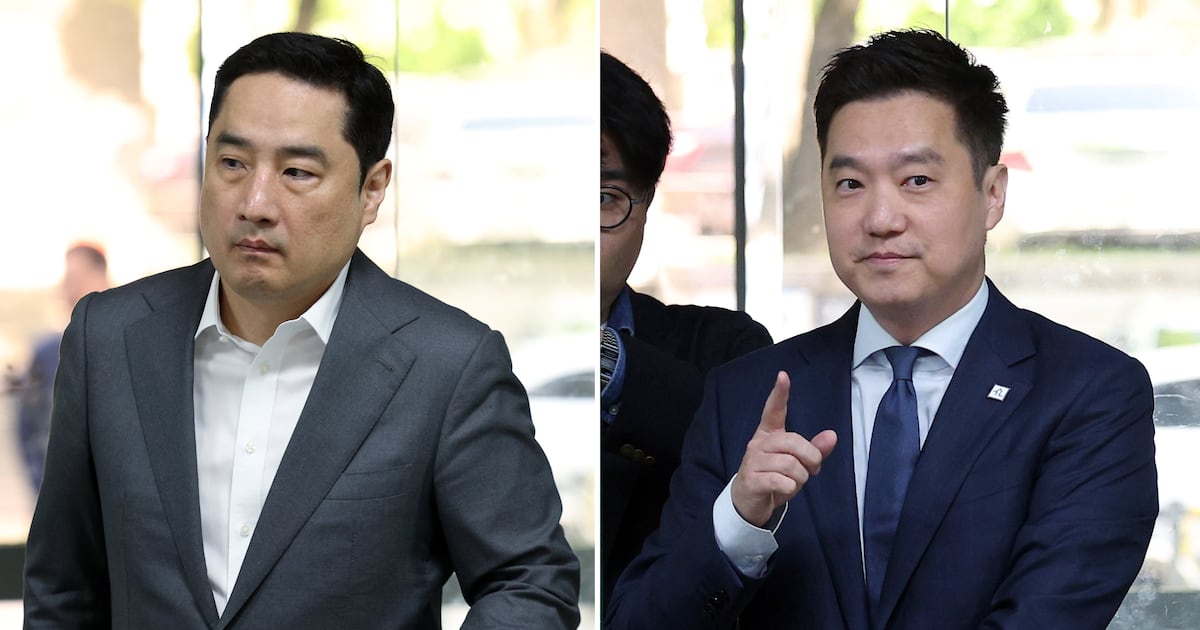
South Korean citizen Kang was sentenced Tuesday after being found guilty of making false claims against President Lee Jae-myung, marking a significant case in the country’s ongoing battle against political misinformation.
The Seoul Central District Court handed down the verdict after determining that Kang had deliberately spread unsubstantiated allegations that damaged the president’s reputation. Court documents revealed that the false statements were disseminated across multiple social media platforms, reaching thousands of citizens before authorities intervened.
Presiding Judge Kim noted the severity of the offense, stating, “In our democratic society, the spread of false information targeting public officials undermines trust in governmental institutions and disrupts the proper functioning of our political system.” The judge emphasized that while free speech remains protected under South Korean law, deliberately fabricated claims aimed at damaging public figures cross the legal boundary.
The case has drawn significant attention across South Korea, where concerns about misinformation have intensified in recent years. The Korea Communications Commission reported last month that complaints about political misinformation increased by 43 percent during the previous election cycle compared to the one before.
President Lee, who took office last year following a narrow electoral victory, has faced several challenges regarding disinformation campaigns. His administration has pushed for stronger regulations against false claims while facing criticism from opposition parties concerned about potential restrictions on legitimate political discourse.
Legal experts have weighed in on the case’s broader implications. Professor Park Jin-woo from Seoul National University explained, “This verdict represents a delicate balancing act between protecting public figures from malicious falsehoods while preserving the essential right to criticize those in power. The court seems to have focused on the deliberate nature of the falsehoods rather than mere political criticism.”
The ruling comes amid South Korea’s intensifying efforts to combat online misinformation. Earlier this year, the National Assembly passed amendments to the Information and Communications Network Act, strengthening penalties for those who knowingly spread false information that could cause public harm.
Digital rights advocates have expressed mixed reactions to the verdict. The Korean Digital Rights Coalition acknowledged the harm caused by deliberate misinformation but cautioned against potential overreach. “We must remain vigilant that laws against false information don’t become tools to silence legitimate criticism of those in power,” said coalition spokesperson Yoon Mi-kyung.
According to court records, Kang had no previous criminal history and claimed during the trial that the statements were made based on information believed to be true at the time. However, prosecutors presented evidence showing Kang had accessed information disproving the claims before continuing to spread them.
The sentence includes a fine and a probationary period during which Kang must refrain from similar actions. The court also ordered the removal of the false statements from all platforms where they were posted.
Political analysts suggest this case highlights the evolving landscape of political discourse in the digital age. Professor Choi Sung-jin from Korea University noted, “Democratic societies worldwide are grappling with similar challenges—how to preserve open political debate while preventing the corrosive effects of deliberate misinformation. This case represents South Korea’s approach to that universal challenge.”
The Ministry of Justice released a statement following the verdict, reiterating that the government remains committed to protecting free speech while ensuring citizens have access to accurate information, particularly regarding public officials and governmental affairs.
As South Korea prepares for regional elections next year, authorities have announced enhanced monitoring of online platforms for similar violations, with the National Election Commission establishing a specialized task force to address political misinformation during the campaign period.
Fact Checker
Verify the accuracy of this article using The Disinformation Commission analysis and real-time sources.

10 Comments
Interesting to see how South Korea is tackling the problem of false claims against public officials. Maintaining trust in democratic institutions is vital, but the legal boundaries must be carefully navigated.
This case underscores the challenges democracies face in the digital age. Protecting free speech while curbing deliberate falsehoods is an ongoing challenge. Transparency and an evidence-based approach will be crucial.
The spread of political misinformation is a growing concern globally. This sentencing in South Korea demonstrates their commitment to addressing the issue, though the specifics merit close examination.
This sentencing highlights the seriousness with which South Korea views the spread of false claims against government officials. Maintaining public trust in institutions is critical for a healthy democracy.
Interesting to see how South Korea is addressing the rise of misinformation. Seems like a measured response, balancing the need to protect democratic norms with free expression concerns. It’s a dilemma many countries face these days.
Fabricated claims against public officials can indeed undermine public trust. However, we should be cautious about overzealous crackdowns on political speech, even if it’s deemed false. Transparency and fact-checking are key.
I agree, it’s a complex issue. Upholding the rule of law while preserving essential civil liberties is an ongoing challenge for democracies.
Curious to see how this case and others like it unfold. Combating misinformation is important, but the legal boundaries can be tricky to navigate. Transparency and due process will be key.
Agreed. It’s a delicate balance, and we’ll need to closely monitor how these types of cases are handled to ensure a fair and effective approach.
This is a concerning case of political misinformation. Protecting the integrity of our democratic institutions is crucial, but we must also uphold free speech rights. It’s a delicate balance to strike.