


Listen to the article
U.S. Justice Department Launches Fraud Investigations into Corporate Diversity Programs
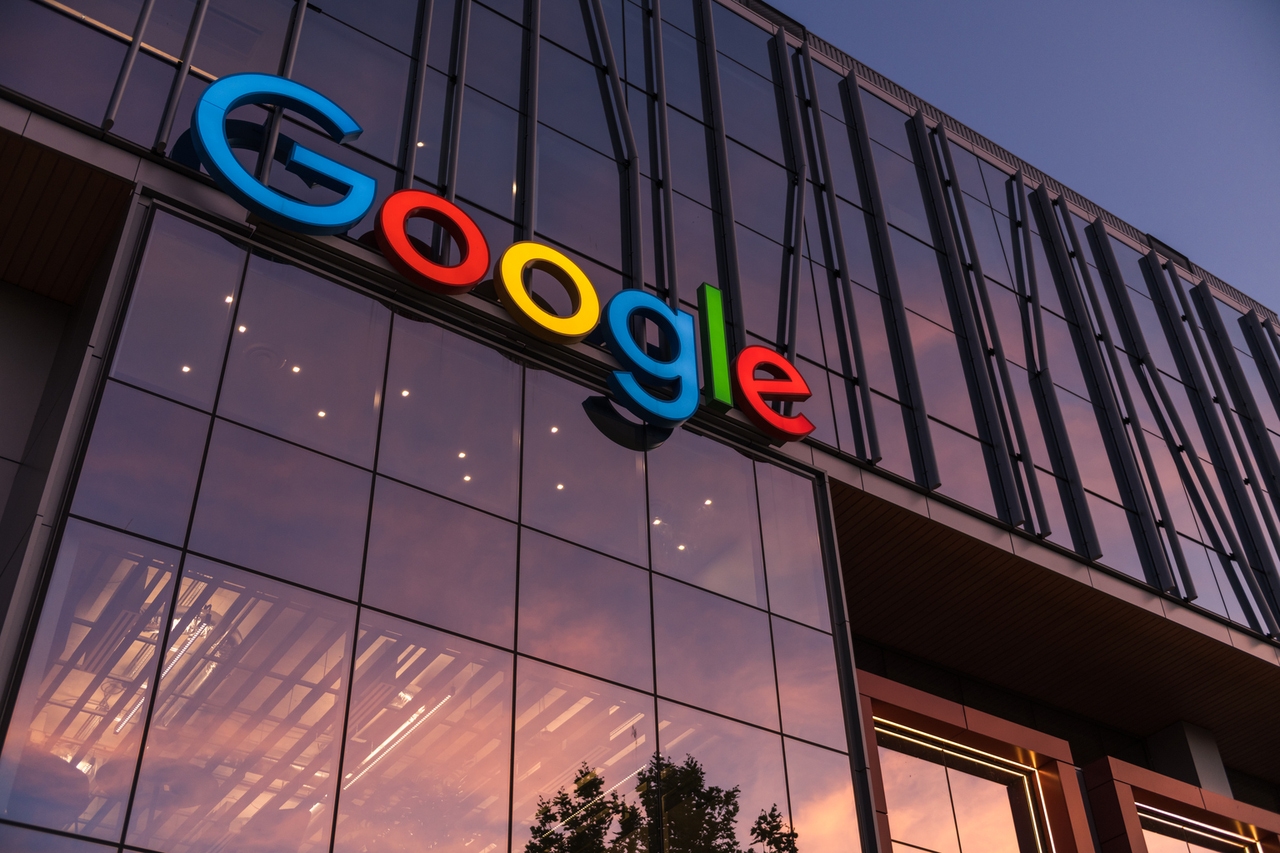
The U.S. Department of Justice has initiated investigations into diversity, equity, and inclusion (DEI) initiatives at several major corporations, including Google and Verizon, according to a report by The Wall Street Journal.
The investigations, conducted under the False Claims Act, aim to determine whether companies misrepresented their hiring or promotion practices while receiving federal funds. This marks a significant shift in how the Justice Department is approaching corporate diversity efforts in the wake of recent Supreme Court decisions limiting race-conscious policies.
In May, Deputy Attorney General Todd Blanche issued a memo directing prosecutors to pursue cases against federal funding recipients that knowingly implement “preferences that create benefits or burdens based on race, ethnicity, or national origin.” Blanche specifically identified the False Claims Act as a “weapon” for challenging what he described as discriminatory policies in both corporate and educational environments.
The False Claims Act has traditionally been used to target contractors who overbill the government or fail to deliver promised goods or services. Now, the DOJ is testing a novel legal argument: companies that consider race or ethnicity in employment decisions may be falsely certifying compliance with federal regulations when bidding for or performing government contracts.
As part of this initiative, Justice Department officials have requested documents and information from companies across multiple sectors, including technology, automotive manufacturing, pharmaceuticals, defense, and utilities. According to sources familiar with the matter cited by The Wall Street Journal, some companies have already held meetings with DOJ officials.
Legal experts have noted that applying the False Claims Act to workplace diversity programs represents an unusual approach that could face challenges in court. For the government to prevail, prosecutors would need to demonstrate that companies knowingly misrepresented their employment practices when applying for government contracts and subsequently submitted payment claims they should have known were inaccurate.
The potential financial implications for companies found liable could be substantial. Under the False Claims Act, violators may face penalties of up to three times the damages alleged by the government. In 2023 alone, the DOJ collected nearly $3 billion from False Claims Act settlements and judgments.
These investigations come amid a broader national debate about corporate DEI initiatives. Following the Supreme Court’s 2023 decision striking down race-conscious college admissions policies, many legal observers anticipated increased scrutiny of similar practices in employment settings.
Corporate diversity programs gained significant momentum following the racial justice movements of 2020, with many large companies publicly committing to increasing representation of underrepresented groups in their workforces. Now, these same programs face challenges from multiple directions, including shareholder activism, state legislation, and federal investigations.
The DOJ is reportedly encouraging whistleblowers to file DEI-related lawsuits on the government’s behalf, offering potential financial incentives. Under the False Claims Act’s qui tam provisions, whistleblowers who bring successful cases can receive a percentage of any recovered funds.
For the companies under investigation, these inquiries create uncertainty about how to balance commitments to workforce diversity with compliance with evolving legal interpretations. Many corporations have already begun reviewing and modifying their DEI programs in response to the changing legal landscape.
The outcome of these investigations could significantly impact how American corporations approach diversity initiatives in the future, potentially forcing companies to reconsider programs that explicitly consider demographic factors in employment decisions.
Fact Checker
Verify the accuracy of this article using The Disinformation Commission analysis and real-time sources.

10 Comments
The use of the False Claims Act in this context is quite novel. I’m interested to learn more about the DOJ’s legal reasoning and the potential precedents this investigation could set.
I wonder how this investigation will impact the ongoing debates around affirmative action and the use of race in hiring and promotion decisions. This could be a pivotal moment in the evolution of corporate diversity efforts.
The DOJ’s use of the False Claims Act to target DEI programs is a bold move. I’ll be following this story closely to see how it unfolds and what implications it might have for the future of corporate diversity efforts.
While the DOJ’s intentions may be to root out fraud, this investigation could have a chilling effect on corporate diversity programs. I hope the process is transparent and the findings are carefully evaluated.
The DOJ’s stance on this issue seems to align with the recent Supreme Court decisions limiting race-conscious policies. It will be interesting to see if this leads to a broader crackdown on corporate DEI programs.
This development underscores the ongoing tensions around diversity, equity, and inclusion in the workplace. I’m curious to see how companies respond and whether this leads to any changes in their DEI initiatives.
This investigation could have significant implications for how companies approach diversity initiatives, especially those that receive federal funding. I’ll be following this story closely to see what evidence the DOJ uncovers.
This news raises important questions about the balance between promoting diversity and ensuring fairness in the hiring process. I’m eager to see the DOJ’s findings and how they might shape future policies.
Interesting development in the ongoing debate around corporate diversity programs. It will be important to see if the DOJ can substantiate any claims of fraud or misrepresentation.
The Justice Department’s use of the False Claims Act to target alleged discrimination in DEI programs reflects a shift in how the government is approaching this issue. I’m curious to see how this plays out.