


Listen to the article
Tesla Faces 30-Day California Sales Ban Over “Deceptive” Self-Driving Claims
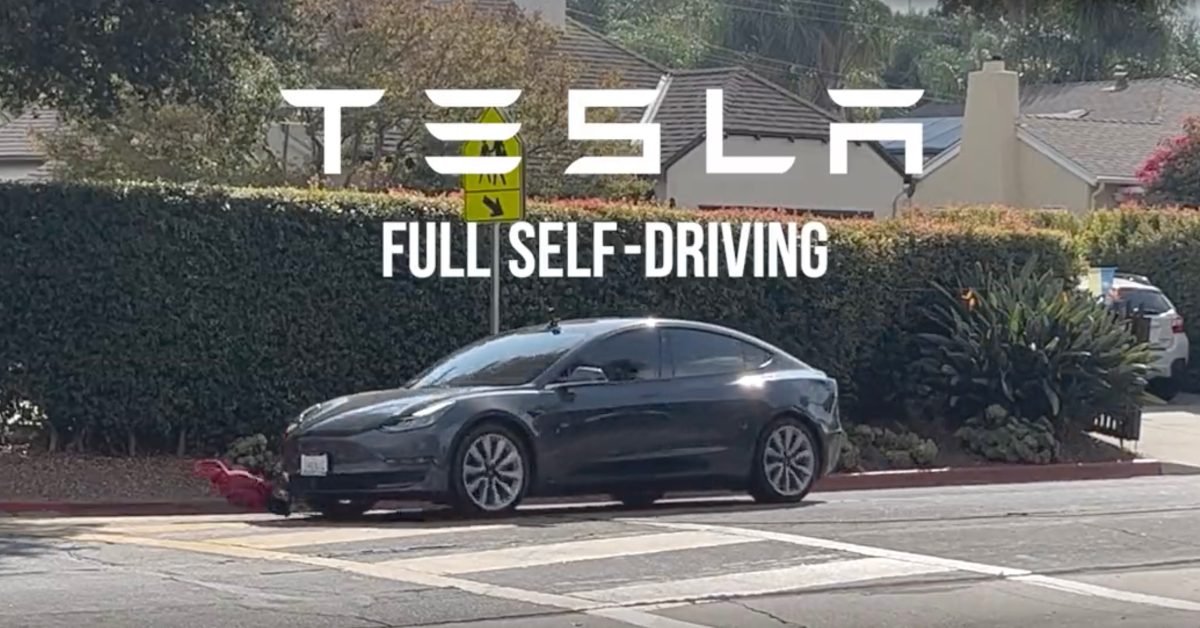
A California judge ruled Tuesday that Tesla engaged in “deceptive marketing” regarding its Full Self-Driving (FSD) system and determined the automaker’s license to sell and manufacture vehicles in the state should be suspended for 30 days. The California Department of Motor Vehicles, however, has granted Tesla a 60-day window to rectify its marketing practices before implementing the suspension.
The ruling marks a significant development in a years-long case scrutinizing Tesla’s autonomous driving claims. Since 2016, Tesla has marketed Level 2 driver assistance software as “Full Self-Driving,” despite the technology not providing true autonomous capability. The company also offers features under the “Autopilot” name, suggesting a degree of autonomy that critics argue overstates the system’s actual capabilities.
The California DMV launched a formal investigation in 2021 after discovering discrepancies between Tesla’s public marketing claims and statements made to regulators. When officially questioned in 2022, Tesla’s defense reportedly argued that its long-standing marketing approach should be allowed to continue—an argument that failed to persuade the court.
During this period, California legislators enacted specific legislation prohibiting automakers from misleading consumers about their vehicles’ autonomous capabilities, further setting the stage for Tuesday’s decisive ruling.
In its assessment, the court examined both Tesla’s marketing language and consumer surveys measuring public perception of the company’s autonomy claims. While the term “Autopilot” was not deemed “unambiguously false,” the court criticized it as part of “a long but unlawful tradition of intentionally using ambiguity to mislead consumers while maintaining some level of deniability.”
The court was more definitive regarding “Full Self-Driving,” calling the feature name “actually, unambiguously false and counterfactual.” Notably, Tesla attempted to argue that “no reasonable person” would believe Full Self-Driving actually meant full self-driving capability—a position the court rejected.
Other marketing claims came under scrutiny, including language stating the system “is designed to be able to conduct short and long distance trips with no action required by the person in the driver’s seat.” The court found Tesla’s use of present tense particularly problematic, despite the company’s insistence these were statements of future intent.
The court acknowledged Tesla has modified its language over time, evolving from “Full Self-Driving Capability” to “Full Self-Driving (Supervised),” but maintained that further clarification is necessary.
As a remedy, the court authorized the DMV to suspend or revoke Tesla’s licenses for 30 days, which would halt the company’s ability to sell or manufacture vehicles in California. The potential impact is substantial: Tesla’s Fremont factory produces approximately 500,000 vehicles annually and employs roughly 20,000 workers. Although Tesla called this remedy “draconian,” the court determined it necessary to ensure compliance.
The DMV has indicated it will focus on Tesla’s dealer license rather than its manufacturing permit and will provide the company 60 days to comply before taking action. Following the ruling, Tesla stated that “sales in California will continue uninterrupted,” though the company’s response to the required marketing changes remains to be seen.
This case joins numerous other legal challenges Tesla faces regarding its autonomous driving claims, including a class action lawsuit in California. The ruling could significantly impact these other proceedings, as a California judge has now officially determined that Tesla misled the public about FSD capabilities.
The court’s decision represents the first major ruling requiring Tesla to adjust its marketing approach after years of controversial claims about autonomous driving capabilities. Critics point to a pattern of misleading statements, including repeatedly missed deadlines for full autonomy, hardware capability claims, price fluctuations, and current promotions of “Robotaxi” services that remain unrealized.
Within 60 days, the outcome will become clear: either Tesla will modify its marketing practices to accurately represent its vehicles’ capabilities, or the California DMV will need to decide whether to implement the suspension if the company’s representations remain unchanged.
Fact Checker
Verify the accuracy of this article using The Disinformation Commission analysis and real-time sources.

16 Comments
This ruling highlights the need for stricter regulation and oversight of self-driving car claims. Automakers shouldn’t be allowed to overhype their technology and put customers at risk.
Absolutely. Clear, honest labeling and safety validation should be required before any self-driving features can be marketed to the public.
Tesla’s self-driving claims have been controversial for years. I’m glad to see the courts stepping in to force them to clean up their act and be more honest with customers.
Responsible development of autonomous vehicle technology is critical. This ruling should serve as a wake-up call for Tesla and the entire industry.
This ruling highlights the importance of honest, ethical marketing practices, especially for cutting-edge technologies like self-driving cars. Tesla has some work to do to regain consumer trust.
Absolutely. Responsible innovation should go hand-in-hand with transparency and accountability. Hopefully this serves as a lesson for Tesla and the entire industry.
Interesting to see the court take action against Tesla’s misleading marketing claims about self-driving capabilities. While innovation is important, safety and transparency should be the top priorities for any new auto technology.
Agreed. Consumers deserve accurate information to make informed decisions, especially for complex and potentially dangerous features like autonomous driving.
Disappointing to see a major automaker like Tesla engage in deceptive marketing around such an important safety issue. Consumers deserve the truth, not inflated claims.
Agreed. Tesla needs to focus on delivering verifiable autonomous capabilities, not misleading the public. Safety should be the top priority.
While I’m a fan of Tesla’s innovation, I can’t defend their approach to marketing self-driving tech. Misleading the public about autonomous capabilities is irresponsible and dangerous.
Agreed. Tesla needs to rein in their marketing hype and focus on developing truly safe, reliable self-driving technology before rolling it out to consumers.
This ruling is a good step in holding Tesla accountable for their questionable marketing practices. Automakers shouldn’t be allowed to overpromise on emerging technologies.
Exactly. Transparency and consumer protection should be the priority, not aggressive sales tactics that put people at risk.
Tesla’s history of aggressive marketing and exaggerated claims about their technology is concerning. Hopefully this 30-day suspension will force them to clean up their act.
Let’s hope this is a wake-up call for Tesla to be more responsible and transparent going forward. Consumers’ safety should come before profits.