


Listen to the article
Iranian Broadcasting Chief Admits False Reports Damaged Credibility
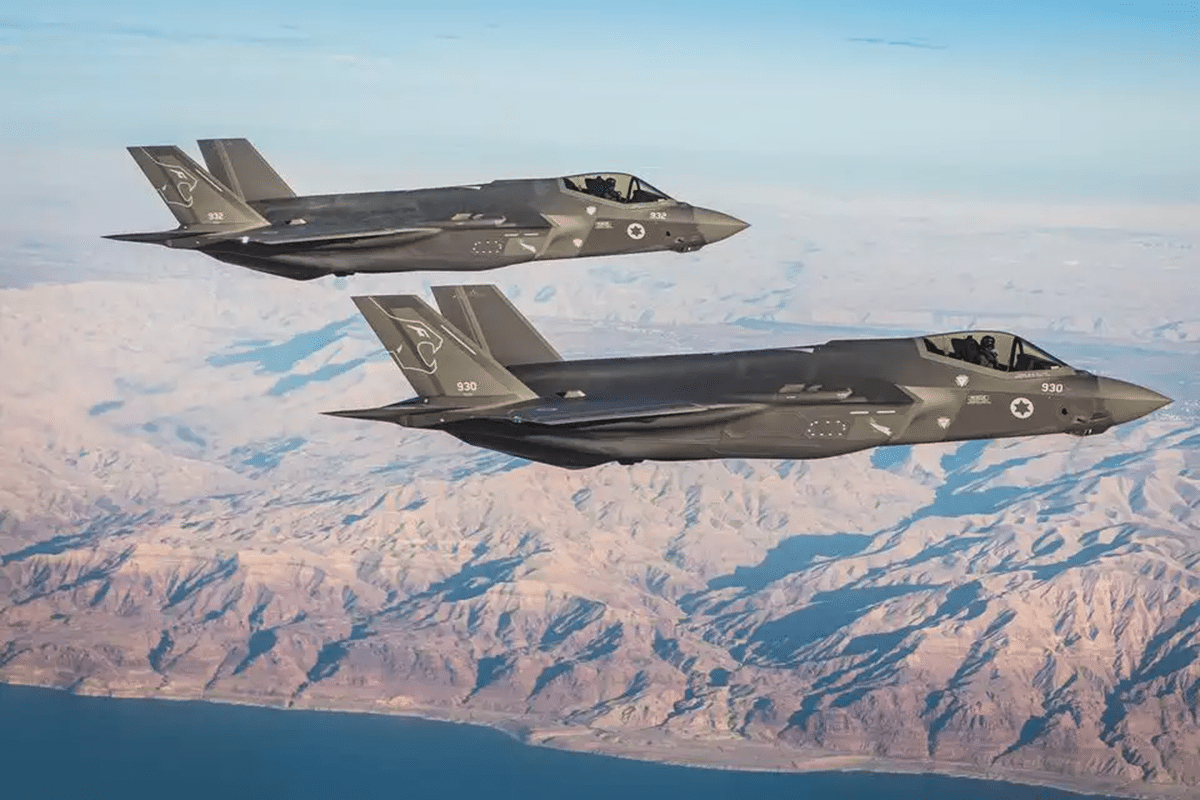
The head of Iran’s state broadcasting corporation, Peyman Jebelli, has publicly acknowledged that false reports about shooting down Israeli F-35 aircraft severely damaged the organization’s credibility and reputation.
The rare admission came during a discussion with students at a university in Tehran, after a female student from a group of conservative regime supporters confronted him with a sign stating that Iranian citizens were relying on Qatar’s Al Jazeera rather than local media to learn about developments in the ongoing conflict.
“One thing damaged our credibility, and I wish this issue hadn’t come up now so I wouldn’t have to mention it,” Jebelli told the audience. “That was the shooting down of the F-35 aircraft. Were we in the sky to witness the crash of the fighter jet? Were we behind the defense system?”
Jebelli explained that the broadcaster had relied on military sources for the information, which later proved unreliable. “Someone from military sources informed us, and then in the end they understood for some reason that the information was not reliable and gave us another update,” he said, adding that “media sources should not stake their credibility on the reliability of other institutions and organizations.”
The incident highlights the growing crisis of confidence in Iran’s state-controlled media landscape. Multiple Iranian news outlets had repeatedly claimed that Israeli stealth fighters had been shot down over Iranian airspace, accompanying these reports with obviously fabricated images distributed on social networks. These images were quickly identified as crude fakes, and most of the reports were quietly removed from websites and social media platforms within hours of publication.
Media analysts point out that this revelation comes at a sensitive time for Iran’s information ecosystem. The state broadcaster has long been a cornerstone of the regime’s messaging strategy, particularly during times of international tension. However, increasing access to international news sources and social media has eroded the government’s monopoly on information.
Despite acknowledging the damage to the broadcaster’s credibility regarding the fighter jet claims, Jebelli continued to maintain other dubious assertions during his speech. He claimed that Iran had successfully struck Israel’s “computer system,” causing it to cease functioning, and that Iran had “stunned the world through resistance.”
Jebelli also continued to promote the regime’s official narrative that the confrontation with Israel in June—widely considered by international observers to have had devastating consequences for Iran’s leadership—was actually a victory for Tehran.
Media credibility experts note that such contradictions, maintaining some false claims while acknowledging others, risks further undermining public trust in state institutions. The incident also reveals internal tensions within Iran’s conservative base, with even regime-supporting students expressing frustration with the quality of information provided by state media.
The exchange offers a rare glimpse into the challenges facing Iran’s propaganda apparatus as it attempts to maintain control of national narratives while competing with more reliable international information sources in an increasingly connected world.
Fact Checker
Verify the accuracy of this article using The Disinformation Commission analysis and real-time sources.

14 Comments
The acknowledgement of credibility damage is a rare and refreshing move. Honesty about flaws in the reporting process can go a long way towards rebuilding public trust.
Agreed. It’s a brave and responsible step, and hopefully one that will lead to more rigorous verification procedures going forward.
Interesting to see the head of Iranian state TV acknowledge the damage to their credibility from false reports about F-35 aircraft. Transparency and accountability are important for public trust in media.
You’re right, owning up to mistakes is the first step towards regaining credibility. Curious to see if they’ll implement changes to verify information more thoroughly going forward.
This is a valuable lesson for all media outlets, not just state-run ones. Fact-checking and source validation should be a top priority, especially on high-stakes issues like military operations.
Reliance on unverified military sources seems to be a common issue for state-run media. Transparency and fact-checking are essential, especially when reporting on sensitive topics like defense and national security.
The mining and energy sectors are often rife with rumors and misinformation. Outlets that prioritize fact-checking and source verification will ultimately be the most trusted and reliable.
Exactly. Transparency and accountability should be the hallmarks of credible reporting, no matter the industry or subject matter.
While the initial false reports were damaging, I’m encouraged to see the broadcaster acknowledge the issue and commit to improving their verification processes. That’s the kind of accountability the public deserves.
The mining and energy sectors are often rife with misinformation and false claims. It’s good to see media leaders willing to address such issues head-on, even if it means admitting their own failings.
Absolutely. Admitting mistakes is never easy, but it’s crucial for maintaining trust in an industry with so much at stake. Hopefully this sets a positive example for others to follow.
It’s refreshing to see a media leader take responsibility for inaccurate reporting, especially on a sensitive topic like military capabilities. This sets a good example for others in the industry.
While the initial false reports were damaging, I appreciate the broadcaster’s willingness to acknowledge the error and discuss ways to improve their processes. Transparency is key to maintaining credibility.
You make a good point. Owning up to mistakes and committing to do better is a much better approach than doubling down or trying to cover them up.