


Listen to the article
In a significant escalation of tensions, Iran’s Parliament Speaker Mohammad Bagher Ghalibaf has publicly rebuked U.S. President Donald Trump, accusing him of making “seven false claims in one hour” regarding the ongoing dispute over the strategic Strait of Hormuz. This verbal confrontation comes just a day after Iran had announced plans to reopen the vital maritime passage to all traffic.
The diplomatic row centers on control of the Strait of Hormuz, one of the world’s most crucial oil shipping lanes, through which approximately 20% of global oil supply passes. Ghalibaf warned that if the U.S. naval blockade of Iranian ports continues, Iran may reconsider keeping the Strait open.
“The U.S. did not achieve success with these claims and will not succeed in negotiations either,” Ghalibaf stated in his address. He emphasized that all vessel movements through the Strait would now require Iranian approval and follow designated routes determined by Tehran.
The Iranian official further asserted that decisions regarding the Strait’s operational status would be made “on the ground, not on social media,” in what appeared to be a direct challenge to Trump’s tendency to announce policy positions via social platforms.
Iran’s Foreign Ministry has also taken a firm stance on its nuclear program, categorically stating that its enriched uranium stockpile would not be transferred to the United States or any other country. This position further complicates the already tense negotiations surrounding Iran’s nuclear ambitions.
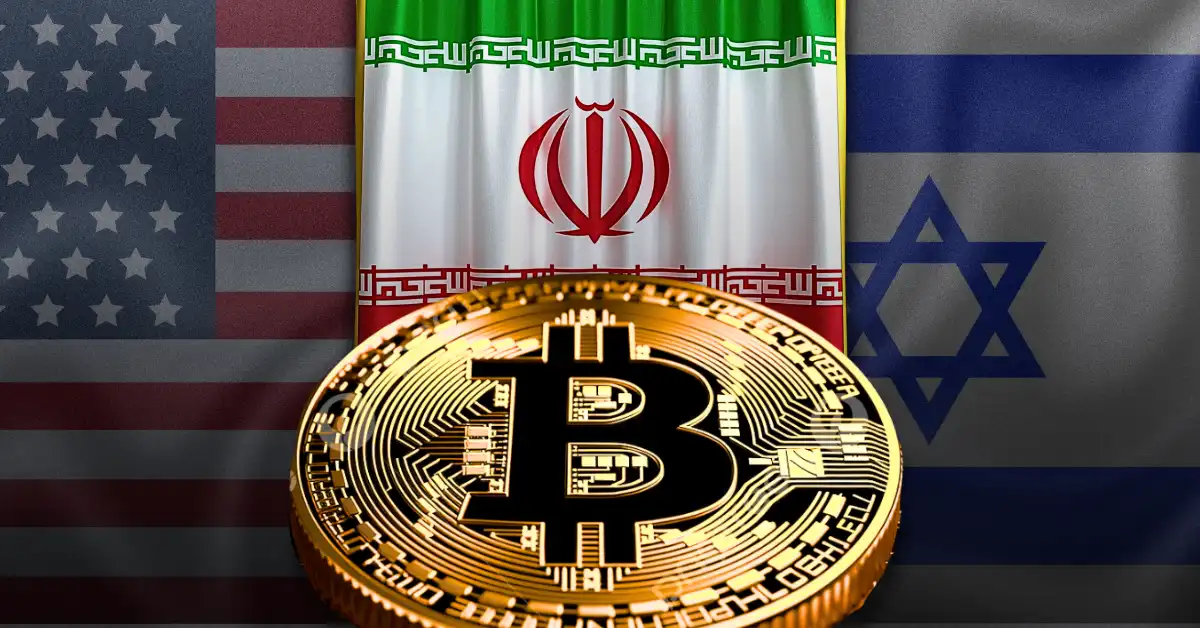
The geopolitical uncertainty has sent ripples through global cryptocurrency markets. When Iran initially announced the full reopening of the Strait, the crypto market responded positively, with Bitcoin surging to $78,000 and experiencing a 5% jump. Altcoins followed suit as market sentiment rapidly shifted from fear to optimism.
However, this rally proved short-lived. Ghalibaf’s confrontational statements came after U.S. markets had closed for the weekend, leaving traders without an immediate venue to respond. As a result, Bitcoin and the broader cryptocurrency market have surrendered some of their earlier gains while seeking to establish new support levels.
The situation remains particularly volatile as the current two-week ceasefire between the parties is set to expire on April 22. Both sides have already accused each other of violations, suggesting the fragility of the temporary truce.
Adding to the complexity, President Trump has confirmed that the U.S. naval blockade on Iranian ports will remain fully operational until what he described as a “complete transaction” with Iran is finalized. While the exact parameters of this “transaction” remain unclear, the statement suggests that the U.S. is using the blockade as leverage in broader negotiations with Tehran.
Energy markets are watching these developments closely, given the Strait of Hormuz’s critical importance to global oil supply chains. Any disruption to shipping in this narrow waterway between the Persian Gulf and the Gulf of Oman could trigger significant price volatility in global energy markets.
The confrontation also highlights the growing intersection between traditional geopolitical conflicts and digital asset markets. Cryptocurrency values have become increasingly sensitive to international tensions, particularly those involving major powers with the capacity to impact global financial systems.
Analysts suggest that if tensions continue to escalate, investors might further turn to Bitcoin and other cryptocurrencies as potential safe-haven assets, similar to traditional hedges like gold. However, others caution that during acute geopolitical crises, crypto assets have sometimes demonstrated correlation with traditional risk assets rather than behaving as hedges.
As both nations continue their war of words, the international community remains concerned about the potential for miscalculation that could lead to more direct confrontation in this strategically vital region.
Fact Checker
Verify the accuracy of this article using The Disinformation Commission analysis and real-time sources.

7 Comments
Iran’s claims about Trump’s ‘false statements’ highlight the ongoing war of words between the two countries. Careful diplomacy will be crucial to prevent this dispute from spiraling into a more dangerous confrontation.
The Strait of Hormuz is a strategic chokepoint, so Iran’s assertion of control over it is understandable from their perspective. However, any disruption to shipping in the region could have severe global economic consequences.
This latest exchange between the US and Iran demonstrates the complexities of the situation in the Strait of Hormuz. Diplomatic efforts will be crucial to ensure stability and the uninterrupted flow of global trade.
Interesting development in the ongoing tensions between the US and Iran over the crucial Hormuz Strait. It will be important to see how this diplomatic row plays out and what impact it may have on global energy supplies and shipping.
Iran’s rejection of Trump’s claims and insistence on controlling access to the Strait of Hormuz highlights the complexities of this situation. Both sides will need to carefully manage the situation to avoid escalation that could disrupt vital global trade routes.
The Strait of Hormuz is a vital choke point for global energy supplies, so Iran’s assertions about controlling access are concerning. This dispute underscores the continued geopolitical tensions in the region.
Regardless of the political posturing, keeping the Strait of Hormuz open for international shipping is crucial for the global economy. I hope cooler heads will prevail and a pragmatic solution can be found through diplomacy.