


Listen to the article
Iranian Official Refutes Trump’s Claims About Strait of Hormuz Agreement
An Iranian official has strongly contested recent statements made by former U.S. President Donald Trump regarding an alleged agreement on the Strait of Hormuz, highlighting escalating tensions between the two nations over this strategically vital waterway.
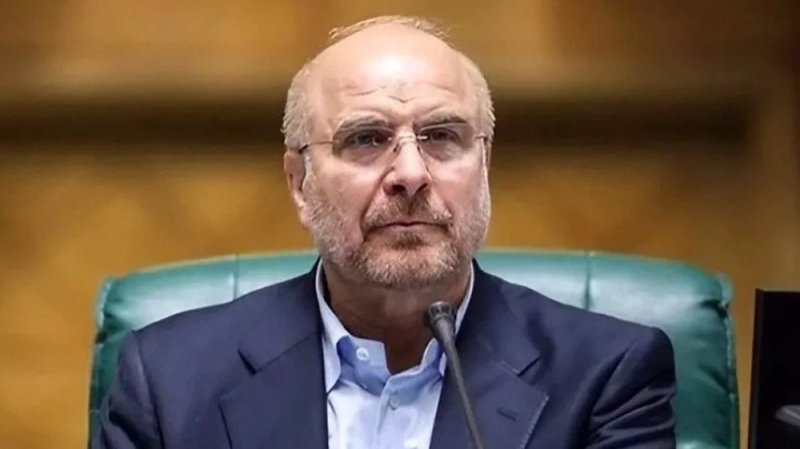
Mohammad Bagher Qalibaf, a senior Iranian official, took to social media platform X on Friday to dispute Trump’s assertions, calling them categorically false. “The US president made seven claims in the span of one hour, all seven of which are false,” Qalibaf wrote in his post, according to Iran’s English-language Press TV.
The controversy erupted after Trump claimed on his Truth Social platform that Iran had “agreed to never close the Strait of Hormuz again.” The former president further asserted that the United States would maintain a “naval blockade… in full force and effect as it pertains to Iran only” until negotiations were completed. Trump also suggested that ceasefire talks were progressing well, stating they “should go very quickly in that most of the points are already negotiated.”
In a direct rebuttal, Qalibaf warned that “if the blockade continues, the Strait of Hormuz will not remain open.” He emphasized that passage through the strategic waterway would occur only along a “designated route” and with “Iran’s authorisation,” contradicting Trump’s portrayal of the situation.
The Iranian official’s comments underscored the critical geopolitical importance of the Strait of Hormuz, through which approximately 20% of the world’s oil supply passes. Any disruption to shipping in this narrow waterway could have significant ramifications for global energy markets and economic stability.
“Whether the strait remains open or closed, and the rules governing it, will be determined on the battlefield, not on social media,” Qalibaf added, suggesting that military realities would dictate the outcome rather than diplomatic pronouncements.
The official accused Washington of spreading misinformation, referring to previous U.S. claims about inflicting “irreversible damage” on Iran’s defensive capabilities. According to Qalibaf, such “lies” had not benefited the United States during what he described as “aggression” and would not serve American interests during negotiations either.
“Media warfare and the engineering of public opinion are a major part of war, but the Iranian nation will not be swayed by such tactics,” he stated, directing those seeking accurate information to consult recent statements from Iran’s Foreign Ministry spokesperson.
The same day, Foreign Ministry spokesperson Esmaeil Baghaei reinforced Iran’s commitment to a 10-point proposal that predated Trump’s April 7 announcement. This proposal reportedly includes demands for an end to “acts of aggression” against Iran, the lifting of international sanctions, and compensation payments—points that diverge significantly from Trump’s characterization of the negotiations.
This diplomatic clash occurs against the backdrop of long-standing tensions between Iran and the United States over regional influence, nuclear ambitions, and economic sanctions. The Strait of Hormuz has frequently emerged as a flashpoint, with Iran previously threatening to close the waterway in response to U.S. pressure.
Energy markets are closely monitoring this situation, as any actual closure or restriction of the strait could trigger oil price volatility and disrupt global supply chains. Regional neighbors like Saudi Arabia, the UAE, and other Gulf states also have significant stakes in maintaining free navigation through these waters.
Analysts note that this public disagreement over what was actually agreed upon reflects the continuing challenges in U.S.-Iran relations, regardless of which administration is in power. The conflicting narratives also highlight the difficulties in achieving lasting diplomatic solutions in a region characterized by deep mistrust and competing strategic interests.
Fact Checker
Verify the accuracy of this article using The Disinformation Commission analysis and real-time sources.

9 Comments
The Strait of Hormuz is a key concern for the global energy market. I wonder what impact this dispute could have on commodity prices and the operations of energy companies in the region. Clear communication and diplomacy will be crucial to avoiding any unintended escalation.
Interesting developments in the ongoing tensions between the U.S. and Iran over the Strait of Hormuz. It seems the Iranian government is strongly rejecting Trump’s claims about any agreement being reached. This highlights the need for transparent and verifiable negotiations to ease regional tensions.
Disputes over the Strait of Hormuz are highly sensitive given its strategic importance. I’m curious to see how the situation evolves and whether the U.S. and Iran can find common ground through negotiations, or if tensions continue to escalate in the region.
This dispute over the Strait of Hormuz is a reminder of the complex geopolitical landscape in the Middle East. Resolving these types of tensions requires nuanced diplomacy and an understanding of the historical context and competing national interests at play.
The Strait of Hormuz is a critical global chokepoint for oil and gas shipments. Any disruption there could have major economic and geopolitical implications. It’s important that all parties involved engage in constructive dialogue to find a peaceful resolution to this dispute.
The conflicting claims from the U.S. and Iran over the Strait of Hormuz agreement raise questions about the transparency and progress of any negotiations. It’s important that both sides provide verifiable information to the public to build trust and understanding.
The Iranian government’s strong rejection of Trump’s claims suggests this dispute is far from resolved. I’m curious to see if the current U.S. administration can make progress in negotiations, or if tensions will continue to simmer in the Strait of Hormuz.
The conflicting claims about an agreement on the Strait of Hormuz highlight the need for clear, verified information from all parties involved. Transparency and good-faith efforts at dialogue will be essential to de-escalating this dispute.
This dispute over the Strait of Hormuz highlights the broader geopolitical tensions between the U.S. and Iran. Resolving this issue will require nuanced diplomacy and compromise from both sides to find a mutually acceptable solution.