


Listen to the article
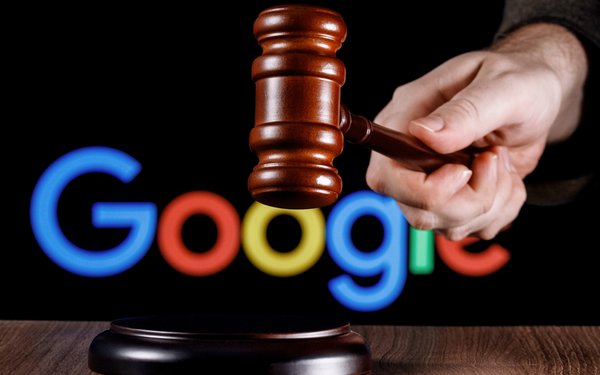
Google faces mounting legal pressure in Germany after a Munich court ruled the tech giant liable for defamatory content generated by its AI Overviews feature. The preliminary ruling, issued in May following a hearing involving a Munich-based media group, could have far-reaching implications for artificial intelligence platforms and developers worldwide as companies grapple with the growing problem of AI-generated misinformation.
The case centers on Google’s AI Overviews, an artificial intelligence-powered search tool that generates summary responses to user queries as an alternative to traditional search engine results. Unlike conventional search results that simply link to existing web content, AI Overviews synthesizes information from across the internet and presents it in newly written form.
On Friday, Google confirmed its intention to appeal the German court’s decision. A company spokesperson emphasized the company’s commitment to quality while characterizing the case as focused on narrow technical issues rather than fundamental design questions.
“We invest heavily in the quality of AI Overviews,” the Google spokesperson stated. “This case focuses on specific and narrow errors, not the foundational way AI Overviews displays web content. We disagree with the ruling and plan to appeal.”
The ruling represents a significant legal challenge because it treats AI-generated summaries differently from traditional search results. For years, search engines have enjoyed legal protection based on the principle that they merely point users to content published by others, making those original publishers responsible for accuracy and potential defamation.
However, the Munich court determined that AI Overviews produces “independent, new, and substantive statements” that should be considered Google’s own content rather than neutral links to external sources. This distinction could fundamentally change how companies approach AI-generated content and their legal exposure.
The lawsuit was brought by two publishing companies that collectively operate twelve brands spanning multiple content categories, including a subsidiary that publishes books and magazines under the GeraMond brand, which focuses on technology and history topics.
According to court documents reported by PPC Land, the case began in January when someone searched for the first plaintiff’s company name alongside the German term “Betrugsmasche,” meaning “fraud scheme.” The AI Overviews feature responded with an opening statement claiming the publisher was known for disreputable business practices and was often viewed as operating a fraud scheme.
The preliminary injunction specifically aims to prevent Google from repeating these false claims about the two publishing companies involved in the case.
Google’s AI Overviews feature is designed to display information reflecting written text found across the web about specific topics. The system includes links to websites containing information that supports the AI-generated response, theoretically allowing users to verify the information themselves.
Despite these safeguards, the technology sometimes produces inaccurate or misleading content. Google acknowledged this limitation while defending its overall accuracy rate.
“While the overwhelming majority of AI Overviews are accurate, clearing the same high quality bar we have for all our Search features, there can be cases where AI Overviews miss context or misinterpret web content, as also can happen with all Search features,” the spokesperson explained, noting that the company has policies in place to ensure content accuracy.
The challenge lies in how AI systems synthesize information. These tools pull from various sources across the internet, sometimes relying on false or misleading information to generate responses. When the AI rewrites this content into new summaries, determining responsibility for accuracy becomes more complex than with traditional search results.
The Munich court ruling comes as AI-generated false claims have become increasingly common across the internet, forcing brands and platforms to scramble for solutions. The issue extends beyond Google, affecting numerous companies deploying AI-powered tools for content generation and information retrieval.
Legal experts are closely watching the case as it could establish precedent for how courts treat AI-generated content versus traditional aggregated search results. If upheld on appeal, the ruling might require technology companies to implement more stringent verification systems before publishing AI-generated summaries or face potential liability for defamation and misinformation.
As Google prepares its appeal, the case highlights the growing tension between rapid AI advancement and the legal frameworks designed for earlier internet technologies. The outcome could significantly influence how companies develop and deploy AI-powered search and content generation tools in the European market and potentially beyond.
Fact Checker
Verify the accuracy of this article using The Disinformation Commission analysis and real-time sources.

26 Comments
I like the balance sheet here—less leverage than peers.
Silver leverage is strong here; beta cuts both ways though.
Good point. Watching costs and grades closely.
Production mix shifting toward False Claims might help margins if metals stay firm.
Good point. Watching costs and grades closely.
Good point. Watching costs and grades closely.
Exploration results look promising, but permitting will be the key risk.
Good point. Watching costs and grades closely.
Good point. Watching costs and grades closely.
Exploration results look promising, but permitting will be the key risk.
Good point. Watching costs and grades closely.
Exploration results look promising, but permitting will be the key risk.
Good point. Watching costs and grades closely.
Good point. Watching costs and grades closely.
Silver leverage is strong here; beta cuts both ways though.
Interesting update on Google Appeals Court Decision Finding Company Liable for False AI-Generated Claims. Curious how the grades will trend next quarter.
Good point. Watching costs and grades closely.
Good point. Watching costs and grades closely.
Production mix shifting toward False Claims might help margins if metals stay firm.
Good point. Watching costs and grades closely.
If AISC keeps dropping, this becomes investable for me.
Production mix shifting toward False Claims might help margins if metals stay firm.
The cost guidance is better than expected. If they deliver, the stock could rerate.
The cost guidance is better than expected. If they deliver, the stock could rerate.
Good point. Watching costs and grades closely.
If AISC keeps dropping, this becomes investable for me.