


Listen to the article
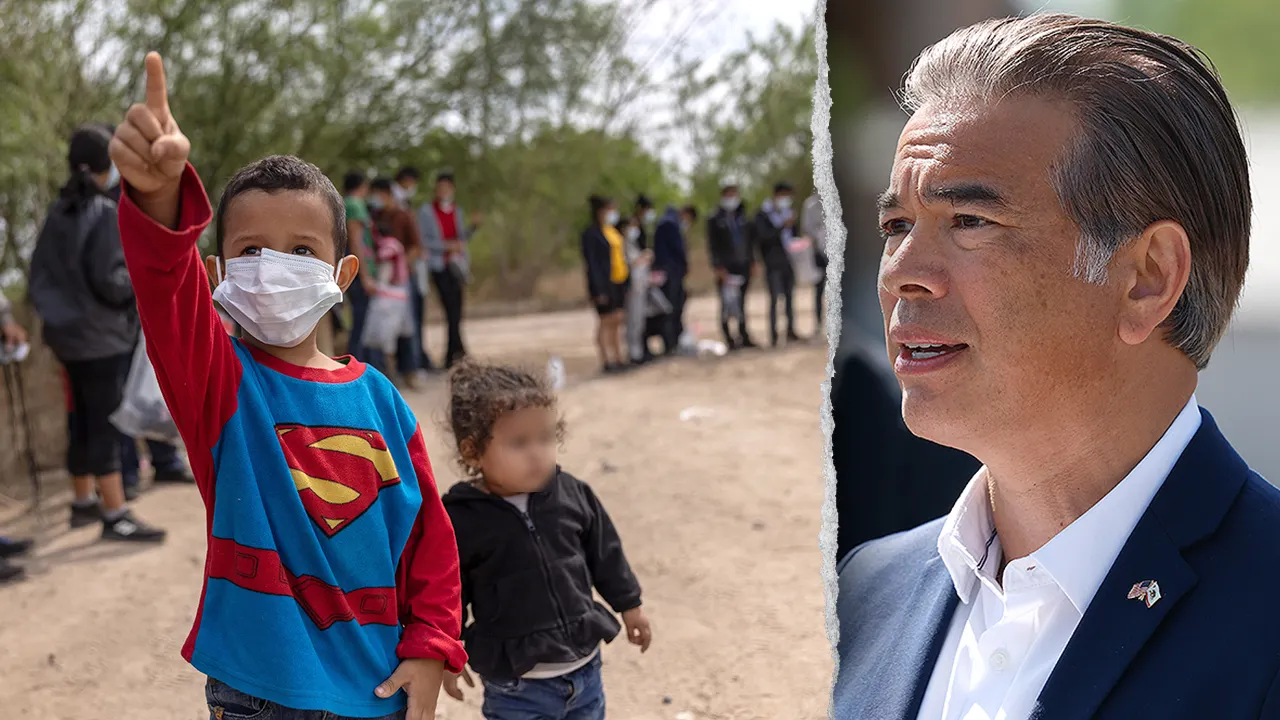
California Democrats are facing mounting criticism over the state’s sanctuary policies after a dispute erupted between a Southern California city and the state attorney general’s office regarding welfare checks on unaccompanied migrant children. The controversy centers on whether local police can conduct safety visits on vulnerable minors when federal immigration authorities provide the information needed to locate them.
The conflict began when the City of El Cajon sought guidance from California Attorney General Rob Bonta’s office about conducting welfare checks on 52 unaccompanied migrant children with addresses in the city. Federal Homeland Security officials had approached El Cajon City Councilman Steve Goble in February 2025, asking whether local police could help ensure the children’s safety through routine wellness visits.
Bonta’s office responded in June 2025 with a warning that such checks could violate state law, specifically Senate Bill 54, known as the California Values Act. The attorney general’s letter cautioned that local law enforcement pursuing wellness checks “alongside or based on information provided by federal immigration authorities” could implicate prohibited conduct. The office raised concerns that officers might confirm location information provided by Immigration and Customs Enforcement or report results back to federal immigration authorities.
The warning has become a central issue in a broader lawsuit filed by El Cajon against California’s sanctuary state policies on April 28, 2026. City officials argue the state is placing law enforcement in an untenable position, forcing officers to choose between checking on potentially vulnerable children and risking state law violations, or leaving the minors unchecked.
El Cajon Mayor Bill Wells expressed frustration with the state’s stance, questioning why officials would prioritize sanctuary policies over child safety. He suggested that state Democrats are so committed to protecting their narrative that they are willing to overlook real risks to vulnerable children, including potential sex trafficking.
Councilman Goble, who initiated the inquiry with Bonta’s office, emphasized that the city’s concern is purely about child welfare, not immigration enforcement. He stressed that local police simply want to confirm whether children are safe, regardless of anyone’s immigration or citizenship status. In his March 2025 letter to Bonta, Goble cited inspector general concerns that unaccompanied minors face heightened risks of trafficking, exploitation and forced labor.
The dispute highlights a fundamental tension between state and federal authority. El Cajon’s lawsuit challenges not only SB 54 but also the TRUST Act and the TRUTH Act, arguing these policies are preempted by federal immigration law. In a May 20 motion for a preliminary injunction, the city asked the court to temporarily block Bonta from enforcing these laws while the case proceeds.
City officials contend that California’s legal framework forces officers to spend time navigating what they call “legal hairsplitting” instead of responding quickly to public safety concerns. Mayor Wells argued that officers are being put in an impossible situation where they must break either federal or state law every time they perform their duties.
Bonta’s office suggested that county social service agencies might have a role in conducting welfare checks when there is no evidence of criminal activity requiring law enforcement. However, El Cajon officials rejected this alternative, pointing to San Diego County’s December 2024 vote restricting county resources from being used to assist federal immigration enforcement. This policy, they argue, means county social workers would also be prevented from conducting the welfare checks.
The controversy occurs against a broader national debate about immigration enforcement and child safety. Immigrant rights advocates have warned that ICE “welfare checks” on unaccompanied migrant children can function as immigration enforcement disguised as child protection. Organizations like the Young Center for Immigrant Children’s Rights have characterized the Trump administration’s wellness checks as harmful enforcement tactics that may discourage sponsors from coming forward or expose families to deportation fears.
El Cajon officials firmly dispute this characterization. They maintain that local police could check on children without reporting immigration violations discovered during visits, arguing this would not make local officers federal immigration agents. Mayor Wells emphasized that officers would simply be doing their jobs as they did before SB 54 was passed, which he described as unconstitutional.
The city’s legal challenge extends beyond the welfare check issue. El Cajon is seeking a court declaration that California’s sanctuary restrictions are invalid and asking for an order stopping Bonta from enforcing them against local police. The lawsuit represents a significant test of how sanctuary policies interact with basic public safety functions and child welfare responsibilities.
As the case proceeds through San Diego County courts, it raises fundamental questions about the balance between immigration policy and child protection, state versus federal authority, and the practical challenges facing law enforcement officers caught between competing legal mandates. The outcome could have significant implications for how California cities navigate sanctuary policies while addressing legitimate public safety concerns.
Fact Checker
Verify the accuracy of this article using The Disinformation Commission analysis and real-time sources.

20 Comments
If AISC keeps dropping, this becomes investable for me.
Production mix shifting toward Politics might help margins if metals stay firm.
Exploration results look promising, but permitting will be the key risk.
Good point. Watching costs and grades closely.
Good point. Watching costs and grades closely.
Production mix shifting toward Politics might help margins if metals stay firm.
Uranium names keep pushing higher—supply still tight into 2026.
Good point. Watching costs and grades closely.
Good point. Watching costs and grades closely.
Uranium names keep pushing higher—supply still tight into 2026.
Good point. Watching costs and grades closely.
Good point. Watching costs and grades closely.
The cost guidance is better than expected. If they deliver, the stock could rerate.
Interesting update on California Democrats Accused of Prioritizing Sanctuary Law Over Migrant Child Welfare Checks. Curious how the grades will trend next quarter.
Interesting update on California Democrats Accused of Prioritizing Sanctuary Law Over Migrant Child Welfare Checks. Curious how the grades will trend next quarter.
Good point. Watching costs and grades closely.
Good point. Watching costs and grades closely.
If AISC keeps dropping, this becomes investable for me.
Silver leverage is strong here; beta cuts both ways though.
Exploration results look promising, but permitting will be the key risk.