


Listen to the article
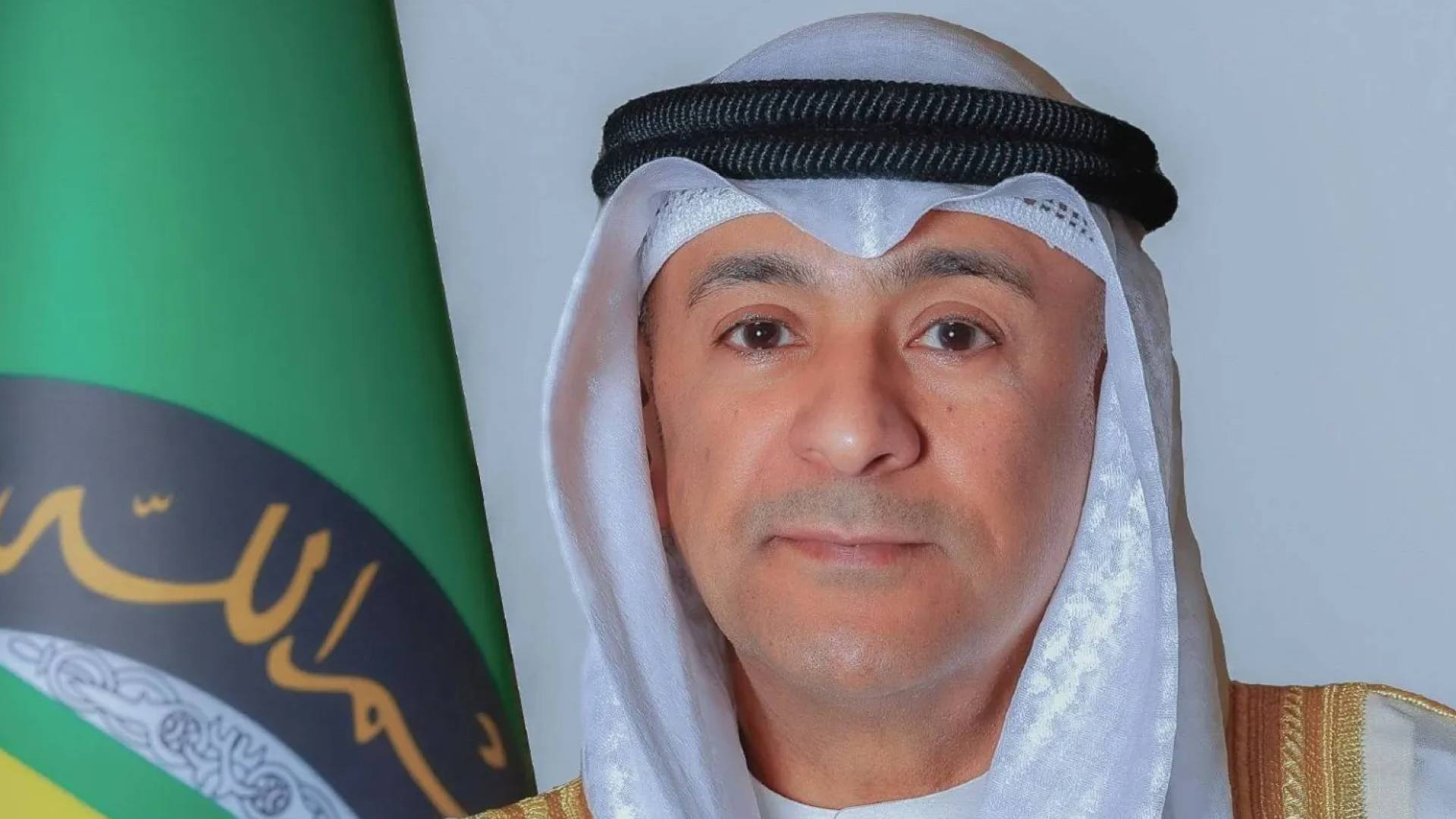
In a forceful rebuke issued Wednesday, the Secretary-General of the Gulf Cooperation Council (GCC), Jassim Al-Budaiwi, condemned what he termed “false and unacceptable allegations” made by Iran’s Foreign Ministry against the United Arab Emirates.
The sharp response comes amid rising tensions between Iran and the UAE, with Al-Budaiwi characterizing the Iranian claims as part of a broader “escalating and provocative approach” that Tehran has adopted toward countries in the Gulf region.
“These misleading claims not only distort facts but violate international norms and laws,” Al-Budaiwi stated in his official response. He noted that Iran has previously launched “aggressive attacks” targeting UAE territory, suggesting a pattern of hostility rather than an isolated diplomatic disagreement.
The GCC, a political and economic alliance consisting of Bahrain, Kuwait, Oman, Qatar, Saudi Arabia, and the UAE, presented a unified front in the dispute. Al-Budaiwi emphasized that the security concerns of any member state directly affect the entire council, declaring that “the security of the UAE is inseparable from the security of all Gulf Cooperation Council states.”
Regional analysts view this exchange as the latest development in the complex relationship between Iran and its Gulf neighbors. The diplomatic tensions occur against a backdrop of competing interests in maritime security, energy markets, and regional influence that have characterized Iran-Gulf relations for decades.
The specific allegations made by Iran’s Foreign Ministry were not detailed in Al-Budaiwi’s statement, though they appear serious enough to warrant this coordinated GCC response. The UAE, a major regional economic hub and key U.S. ally, has frequently found itself at odds with Iran over territorial disputes, particularly regarding islands in the Persian Gulf.
Energy markets are closely monitoring these developments, as any escalation between Iran and GCC members could potentially affect oil shipments through the strategically vital Strait of Hormuz. Approximately 20 percent of the world’s oil passes through this narrow waterway, making regional stability a global economic concern.
The timing of this diplomatic flare-up coincides with ongoing international discussions regarding Iran’s nuclear program and sanctions relief, adding another layer of complexity to an already tense situation.
Dr. Abdulkhaleq Abdulla, a prominent UAE political scientist, commented on the situation, saying, “The GCC response demonstrates the bloc’s increasing willingness to present a united diplomatic front when faced with what they perceive as Iranian provocations.”
The GCC Secretary-General’s statement emphasized that Iran’s approach “threatens the safety of the region and its people,” suggesting concern that rhetorical escalations could potentially lead to more serious confrontations if left unchecked.
Regional security experts note that this public exchange represents just one facet of the multidimensional relationship between Iran and the Gulf states, which includes both periods of cooperation and conflict depending on specific issues and changing geopolitical circumstances.
For the UAE, which has traditionally maintained more pragmatic relations with Iran compared to some other Gulf states, these tensions present particular challenges for its positioning as both a regional business hub and strategic Western ally.
As the situation develops, diplomatic observers will be watching closely for any signs of de-escalation or further deterioration in relations between Iran and the GCC member states, particularly as it relates to broader regional security arrangements and ongoing international negotiations with Tehran.
Fact Checker
Verify the accuracy of this article using The Disinformation Commission analysis and real-time sources.

25 Comments
Silver leverage is strong here; beta cuts both ways though.
Good point. Watching costs and grades closely.
Good point. Watching costs and grades closely.
Interesting update on GCC Chief Condemns Iran’s “False Claims” Against UAE. Curious how the grades will trend next quarter.
If AISC keeps dropping, this becomes investable for me.
Good point. Watching costs and grades closely.
Good point. Watching costs and grades closely.
The cost guidance is better than expected. If they deliver, the stock could rerate.
Good point. Watching costs and grades closely.
Nice to see insider buying—usually a good signal in this space.
Good point. Watching costs and grades closely.
I like the balance sheet here—less leverage than peers.
If AISC keeps dropping, this becomes investable for me.
Good point. Watching costs and grades closely.
Good point. Watching costs and grades closely.
Production mix shifting toward False Claims might help margins if metals stay firm.
Good point. Watching costs and grades closely.
Good point. Watching costs and grades closely.
Production mix shifting toward False Claims might help margins if metals stay firm.
Nice to see insider buying—usually a good signal in this space.
Good point. Watching costs and grades closely.
Good point. Watching costs and grades closely.
Exploration results look promising, but permitting will be the key risk.
I like the balance sheet here—less leverage than peers.
Good point. Watching costs and grades closely.