


Listen to the article
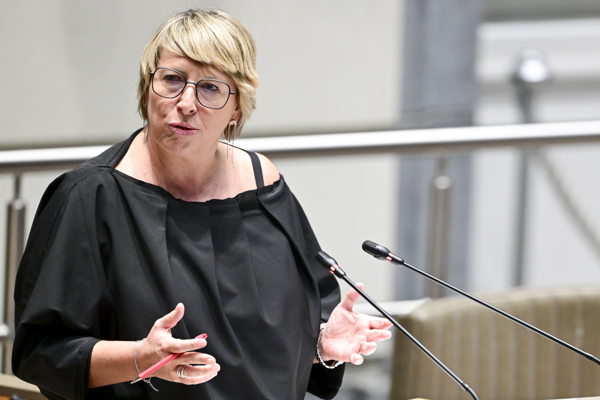
The Flemish government is launching a significant initiative to combat health misinformation, with Welfare Minister Caroline Gennez announcing a plan that will establish a dedicated fact-checking body for health claims circulating in the public sphere.
The €300,000 annual investment will fund a single organization tasked with correcting false health information and providing reliable, science-based health guidance to the public. This entity, to be selected through a competitive process, will operate from July 2026 through December 2030, creating a long-term approach to addressing the problem.
“Fake news about health is not harmless,” Minister Gennez emphasized in her announcement. “Wrong or misleading information can lead to poor choices and serious risks to physical and mental health. The government must provide clear, trustworthy and science-based information.”
The initiative comes at a time when social media platforms and influencers have dramatically changed how health information spreads. According to the minister’s office, these channels often prioritize attention-grabbing content over scientific accuracy, creating a problematic information environment for consumers making health decisions.
Health misinformation has become increasingly prevalent across Europe, with studies showing that false claims can spread six times faster than factual information on social platforms. The COVID-19 pandemic highlighted this issue, as conspiracy theories about vaccines and unproven treatments gained significant traction despite warnings from health authorities.
The Flemish initiative aligns with broader European regulatory frameworks that already govern health and nutrition claims in certain contexts. Since 2007, the European Union has enforced regulations requiring that food products making health claims like “low fat” or “good for bones” must support these statements with scientific evidence. These EU regulations created an official register of authorized health claims and banned misleading marketing.
However, the new Flemish program expands beyond food labeling to address the wider ecosystem of health information across various media channels. The selected organization will likely monitor claims across traditional and social media platforms, providing corrections to misinformation and creating accessible resources for consumers seeking reliable health guidance.
Public health experts have welcomed the initiative but note that combating misinformation requires more than just fact-checking. Dr. Eline Versporten, a public health researcher at the University of Antwerp who is not affiliated with the program, commented on similar efforts: “Effective counter-misinformation strategies must combine fact-checking with digital literacy education and engagement with communities where misinformation spreads.”
The Flemish government’s approach represents one of the more substantial financial commitments to fighting health misinformation at the regional level in Europe. For comparison, neighboring Netherlands allocates approximately €250,000 annually to similar programs, though through multiple organizations rather than a consolidated effort.
Questions remain about how the selected organization will operate in practice. Will it focus primarily on reactive fact-checking, or will it develop proactive educational campaigns? How will it measure its effectiveness in changing public health behaviors? The answers to these questions will likely emerge as the program’s implementation details are finalized.
As digital platforms continue evolving and health information becomes increasingly complex, initiatives like Flanders’ anti-misinformation program represent growing recognition that protecting public health requires not just medical interventions, but also ensuring access to accurate, science-based information.
The program demonstrates how regional governments are taking more active roles in information quality control, particularly in domains where misinformation can have direct health consequences. Its success could provide a model for similar initiatives across Europe and beyond.
Fact Checker
Verify the accuracy of this article using The Disinformation Commission analysis and real-time sources.

7 Comments
Health misinformation can have serious consequences, so I’m glad to see the Flemish government stepping up to address this problem. A dedicated, science-based organization tasked with correcting false claims is a smart solution.
The Flemish minister is right – fake news about health is not harmless. This initiative to establish a fact-checking body and provide reliable guidance seems like an important step in the right direction. Looking forward to seeing the impact.
Glad to see the Flemish government taking proactive steps to tackle false health claims. Fact-checking and providing reliable, science-based guidance is crucial to protect public wellbeing. Looking forward to seeing the results of this initiative.
Interesting to see the Flemish government taking a proactive approach to this issue. Curious to learn more about how the fact-checking body will be structured and what specific strategies they’ll employ to reach the public.
Addressing health misinformation through a dedicated fact-checking body is a smart move. With the spread of questionable claims on social media, it’s important for governments to take a firm stance and ensure citizens have access to accurate information.
Agreed. Establishing a long-term approach is key to making a lasting impact and preventing the spread of harmful falsehoods.
The €300,000 annual investment in this initiative seems like a worthwhile expenditure to combat the very real risks posed by health misinformation. Kudos to the Flemish government for prioritizing public wellbeing over short-term attention-grabbing content.