


Listen to the article
Georgia family challenges child custody drug test results, claiming false positives have separated them from 2-year-old
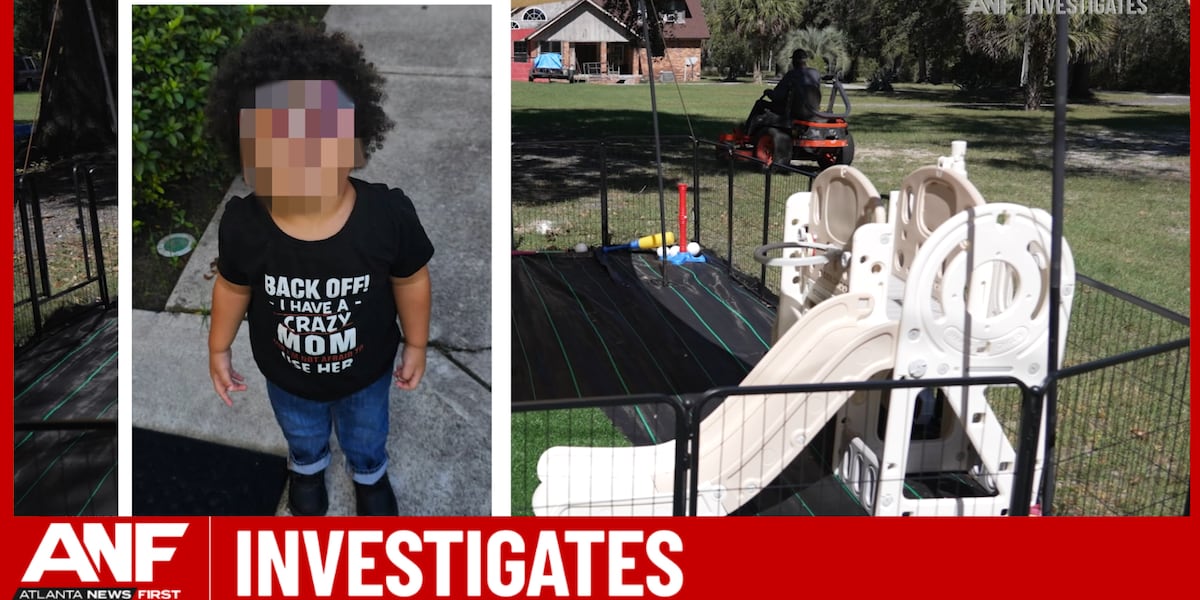
Three members of a Richmond Hill, Georgia family are fighting to regain custody of a 2-year-old relative after they tested positive for methamphetamine in drug screens required by the state’s child welfare agency—results they claim are false.
Benjamin, 76, his daughter Katina, and his granddaughter Jyanna all failed hair follicle tests administered as part of a Georgia Division of Family and Children Services (DFCS) investigation. The tests were conducted during proceedings to determine temporary custody of 2-year-old Azariah, who was removed from the family’s home in August.
“We miss our little great grand; we miss him a whole lot,” Benjamin said. “We try not to think about him too much because it makes you sad, but I hope everything will be alright.”
DFCS became involved in 2023 after Azariah’s mother acknowledged struggling with drug addiction. According to the family, the investigation in Bryan County progressed slowly due to staffing shortages. When caseworkers eventually moved forward with placement options, multiple relatives from the mother’s side sought temporary custody.
Benjamin said he was shocked when his drug screen results came back positive for methamphetamine, as were Katina and Jyanna. “I said, ‘No, I don’t do meth,'” Katina recalled.
The family claims they never received copies of their DFCS test results despite requesting them. “I reached out to our caseworker, and I asked her if she could provide copies of all our hair follicle testing and I never received a text message back,” Jyanna said.
After learning about similar cases through media investigations, the family obtained independent drug screens at their own expense. These hair follicle tests came back negative for all substances, contradicting the DFCS results.
The case highlights a growing concern in Georgia’s child welfare system. A year-long investigation by Atlanta News First has uncovered numerous complaints and documented cases of false positive hair follicle tests from labs contracted by the state. Many of these facilities reportedly don’t perform specialized D/L isomer testing, which can distinguish between legal medications and illicit substances.
This testing discrepancy can have devastating consequences for families. Despite their independent negative test results, Azariah remains in custody with a relative from his father’s side of the family.
“It’s just really hard when we go to see him twice a week for two hours and then it’s time for us to leave and he wants to run behind us and he’s crying because for his whole life he’s been with us,” Jyanna explained.
When asked about the family’s situation, DFCS declined to comment on the specific case, citing confidentiality policies. Regarding their continued use of hair follicle testing despite concerns about accuracy, the agency stated, “We continue to research and review literature and processes in other states to further inform our internal processes.”
Child welfare experts note that false positive drug tests can traumatically separate families and undermine the very system designed to protect children. Hair follicle testing has come under increasing scrutiny nationwide, with some jurisdictions implementing additional verification protocols before making custody decisions based solely on these results.
The current case centers on Azariah and his mother, who is currently in treatment for drug addiction and hopes to eventually reunite with her son. In the meantime, the maternal family is petitioning the court to review their independent negative drug screens, hoping the toddler can be placed with them during his mother’s recovery process.
This case represents just one of many families caught in Georgia’s child welfare system who claim that inaccurate drug testing has resulted in unnecessary family separations. Advocates are calling for reform of the state’s testing protocols and greater transparency in how custody decisions are made.
The family’s next court date has not been disclosed, but they remain hopeful that presenting their independent test results will help bring Azariah back to their home while his mother continues her treatment.
Fact Checker
Verify the accuracy of this article using The Disinformation Commission analysis and real-time sources.

9 Comments
This case raises a lot of questions about the reliability of the drug tests used and the decision-making process at the child welfare agency. Transparency and due process are essential in matters like this.
I’m glad to see the family is fighting these results. Drug addiction is a serious issue, but separating a child from loving relatives based on questionable test results seems very heavy-handed. I hope justice prevails here.
It’s troubling to hear that staffing shortages may have contributed to delays in this case. Child welfare agencies need to be properly resourced to handle sensitive situations like this quickly and thoroughly.
While drug addiction is a serious concern, the wellbeing of the child should be the top priority. Removing a child from their family based on potentially flawed test results seems very problematic to me.
The family’s anguish at being separated from the child is palpable. I hope they are able to quickly resolve this issue and get the child back home where they belong.
Agreed, the emotional toll on the family must be immense. I sincerely hope they can get the support they need to navigate this challenging situation.
This story highlights the importance of robust procedures and transparency around drug testing, especially when the outcomes can have such profound impacts on families. I hope the authorities take this challenge seriously.
It’s good to see the family fighting these results, but the stress and uncertainty they must be facing is heartbreaking. I hope they are able to be reunited with the child soon.
This is a very concerning case. False positives on drug tests can have devastating consequences, especially when it comes to child custody. I hope the family is able to get to the bottom of these results and regain custody of the child.