


Listen to the article
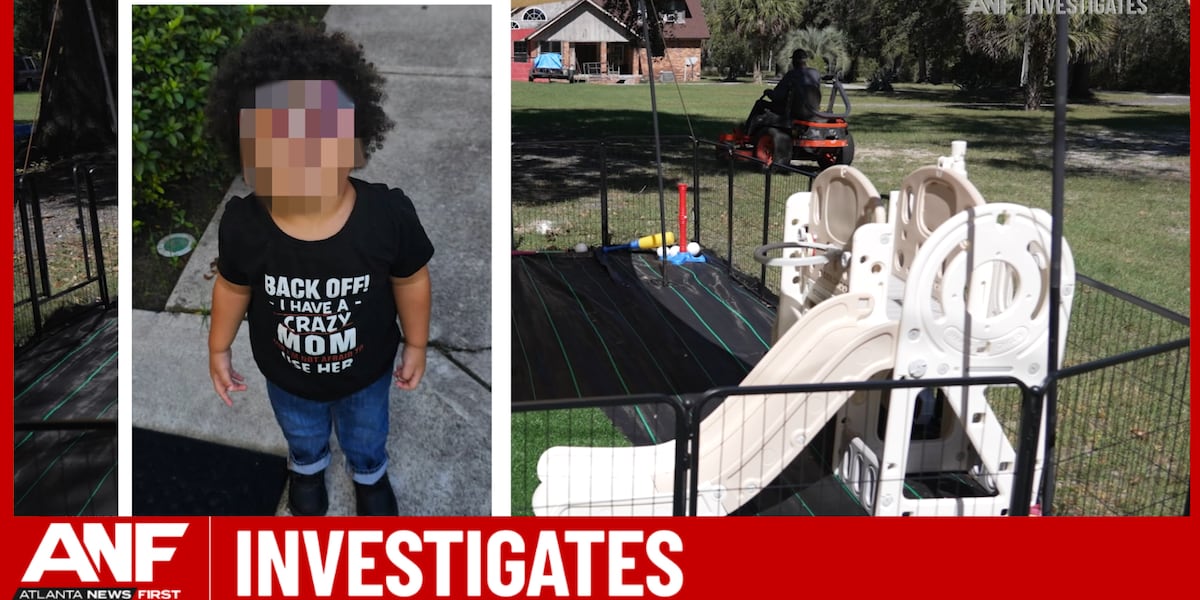
Three generations of a Georgia family are fighting to regain custody of a 2-year-old after what they claim are false positive drug tests administered by the state’s child welfare agency.
Benjamin, 76, his daughter Katina, and his granddaughter Jyanna all tested positive for methamphetamine during mandatory drug screens required by the Georgia Division of Family and Children Services (DFCS). The tests were conducted as part of an investigation to determine temporary custody of 2-year-old Azariah, who was removed from the family’s Richmond Hill home last August.
“We miss our little great grand; we miss him a whole lot,” Benjamin said. “We try not to think about him too much because it makes you sad, but I hope everything will be alright.”
The family’s ordeal began in 2023 when Azariah’s mother admitted to struggling with drug addiction. According to family members, the investigation in Bryan County progressed slowly due to staffing shortages within DFCS. When caseworkers eventually moved forward with placement options, multiple relatives on the mother’s side sought temporary custody.
Benjamin said he was shocked when his drug test results came back positive. Katina and Jyanna were similarly stunned when informed they had also tested positive for methamphetamine.
“I said, ‘No, I don’t do meth,'” Katina recalled.
The family reports they have not received copies of their DFCS test results despite requesting them. Jyanna said she reached out to their caseworker asking for copies of the hair follicle test results but never received a response.
After learning about similar cases through Atlanta News First’s ongoing investigations, the family took matters into their own hands and obtained independent drug screening. Hair follicle tests they paid for themselves came back negative for drugs, contradicting the DFCS findings.
This case appears to be part of a larger pattern uncovered by Atlanta News First’s yearlong investigation into Georgia’s drug testing procedures. The investigation has revealed numerous complaints and records of false positive hair follicle tests from labs contracted by the state. A key issue identified is that many labs typically don’t perform a specialized test called D/L isomer, which can distinguish between legal medications and illicit substances.
The consequences for the family have been devastating. Despite their independent negative test results, Azariah remains in custody with a relative on his father’s side.
“It’s just really hard when we go to see him twice a week for two hours and then it’s time for us to leave and he’s crying because for his whole life he’s been with us,” Jyanna explained.
When asked about the ongoing use of hair follicle testing and concerns about false positives, DFCS issued a general statement: “We continue to research and review literature and processes in other states to further inform our internal processes.” The agency declined to comment specifically on this case, citing privacy policies.
The situation highlights growing concerns about Georgia’s child welfare system, particularly regarding the reliability of drug testing protocols that can significantly impact family reunification decisions. Child welfare advocates have raised alarms about how false positives can unnecessarily separate families and potentially cause lasting trauma to children.
The current child welfare case is primarily focused on Azariah and his mother, who is currently in drug addiction treatment and hoping to eventually reunite with her son. In the meantime, the mother’s family is petitioning for a judge to review their independent negative drug screens, hoping the toddler can stay with them during his mother’s recovery process.
For the family, each day separated from Azariah is painful. The limited visitation schedule of twice weekly two-hour sessions only reinforces their determination to clear their names and bring the child back to the home he knows.
The case raises broader questions about oversight and quality control in state-contracted drug testing facilities and the need for standardized protocols to prevent false positives that can tear families apart.
Fact Checker
Verify the accuracy of this article using The Disinformation Commission analysis and real-time sources.

21 Comments
The cost guidance is better than expected. If they deliver, the stock could rerate.
Good point. Watching costs and grades closely.
Good point. Watching costs and grades closely.
Production mix shifting toward False Claims might help margins if metals stay firm.
Good point. Watching costs and grades closely.
The cost guidance is better than expected. If they deliver, the stock could rerate.
Good point. Watching costs and grades closely.
Good point. Watching costs and grades closely.
Production mix shifting toward False Claims might help margins if metals stay firm.
Good point. Watching costs and grades closely.
Good point. Watching costs and grades closely.
Nice to see insider buying—usually a good signal in this space.
Good point. Watching costs and grades closely.
Exploration results look promising, but permitting will be the key risk.
Good point. Watching costs and grades closely.
Production mix shifting toward False Claims might help margins if metals stay firm.
Silver leverage is strong here; beta cuts both ways though.
Good point. Watching costs and grades closely.
Interesting update on Family Claims False Drug Test Results in Custody Battle. Curious how the grades will trend next quarter.
Good point. Watching costs and grades closely.
Good point. Watching costs and grades closely.