


Listen to the article
Recent social media claims suggesting that multiple states have banned the purchase of candy and soda with Supplemental Nutrition Assistance Program (SNAP) benefits are misleading and inaccurate, federal officials confirm.
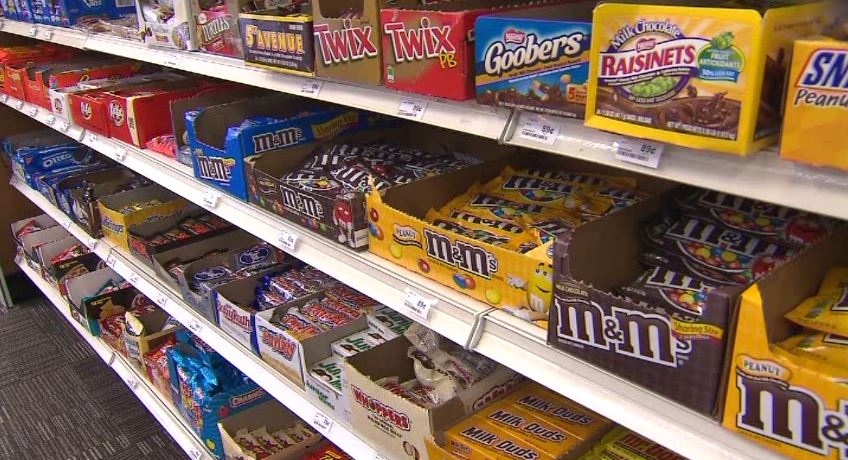
SNAP, formerly known as food stamps, continues to allow beneficiaries to purchase most food items and non-alcoholic beverages at authorized retailers nationwide, including candy and soft drinks. Despite widespread rumors, no sweeping restrictions on these items have been implemented.
“The current federal policy maintains a broad definition of eligible food items under SNAP,” explained a spokesperson from the U.S. Department of Agriculture (USDA), which oversees the program. “Participants can still use their benefits to purchase a wide variety of grocery items, including those sometimes categorized as treats or indulgences.”
The confusion appears to stem from discussions about potential pilot programs that some states have explored with federal permission. These limited experimental initiatives would test the impact of certain purchasing restrictions, but they remain narrow in scope and entirely optional for states to pursue.
Louisiana, Texas, Florida, and Oklahoma—states specifically mentioned in some of the misleading claims—have not implemented any bans on candy or soda purchases through SNAP. Officials from these states have confirmed they continue to follow standard federal guidelines for the program.
Nutrition policy experts note that the debate around restricting certain food items under SNAP has persisted for decades, with public health advocates arguing that government benefits should promote healthier eating habits, while others emphasize preserving recipient choice and dignity.
“There’s a continuous tension between encouraging nutrition and respecting the autonomy of benefit recipients,” said Dr. Elena Ramirez, a public health policy researcher at Georgetown University. “While some pilot programs have tested various approaches, implementing widespread restrictions involves complex considerations about effectiveness, fairness, and administrative feasibility.”
The USDA has historically been cautious about approving sweeping changes to SNAP purchasing rules. Any significant modifications require rigorous review and typically begin with carefully monitored pilot programs before broader implementation would be considered.
The rumors about a 2026 implementation date for restrictions appear entirely fabricated, as no such timeline exists in current federal planning documents or legislation.
SNAP serves approximately 42 million Americans, making it one of the nation’s largest safety net programs. During economic downturns, enrollment typically increases as more households qualify for assistance. The program provides about $7 billion in benefits monthly, with the average benefit per person currently around $175.
Local anti-hunger advocates worry that misinformation about program restrictions could discourage eligible individuals from applying for needed assistance.
“When false information circulates about what people can or cannot buy with SNAP, it creates unnecessary confusion and might prevent families from seeking help they’re entitled to receive,” said Marcus Johnson, director of a community food bank in Shreveport.
For SNAP recipients concerned about potential changes, the USDA maintains updated information on program rules through its Food and Nutrition Service website. Beneficiaries can also contact their state’s SNAP administration office for clarification on current policies.
While debates about the nutritional impact of SNAP will likely continue as part of broader conversations about food security and public health, any significant policy changes would require federal approval and would typically be announced with substantial advance notice to allow retailers and recipients time to adapt.
The USDA encourages SNAP participants to report any instances where retailers improperly refuse eligible purchases, as this could indicate misunderstandings about current program rules.
Fact Checker
Verify the accuracy of this article using The Disinformation Commission analysis and real-time sources.

11 Comments
I appreciate the USDA clarifying the SNAP policy and debunking the false claims about restrictions on candy and soda. It’s important to maintain transparency around government assistance programs.
Good to see the USDA providing clarity on the SNAP program’s food eligibility policies. Glad they pushed back on the misleading rumors and reiterated the program’s broad definition of qualifying grocery items.
While some states may explore limited SNAP purchasing restrictions, the core federal policy remains unchanged – SNAP recipients can still buy a wide range of groceries, including treats. Helpful to have the USDA’s perspective on this.
This fact check is a useful reminder to be skeptical of social media rumors, especially when they involve government assistance programs. Kudos to the USDA for setting the record straight on SNAP’s current eligibility rules.
Appreciate the USDA stepping in to debunk the inaccurate claims about SNAP restrictions on candy and soda. It’s important to maintain transparency around public assistance programs and ensure the facts are clear.
The USDA’s response helps clarify the misleading claims about SNAP restrictions. It’s good to see the government pushing back on false narratives and providing accurate information about the program’s policies.
Glad to see the USDA providing the facts on SNAP eligibility. The program is designed to give low-income families access to a variety of foods, not impose arbitrary bans. Good to have the record set straight.
This is a helpful fact check on the SNAP program. It’s important to get the facts straight, especially around government assistance programs. Glad the USDA provided clarity on the current policy and debunked the misleading claims.
Agree, it’s crucial to separate fact from fiction when it comes to social safety net programs like SNAP. Glad the authorities stepped in to provide the accurate information.
The USDA’s explanation makes sense – SNAP is intended to provide access to a wide range of groceries, not restrict certain categories like candy and soda. Good to see the government pushing back on the unfounded rumors circulating online.
Interesting to see the facts around SNAP restrictions on candy and soda. Seems the rumors were overblown – SNAP still allows a wide range of grocery purchases, including indulgences. Good to have the USDA clarify the policy.