


Listen to the article
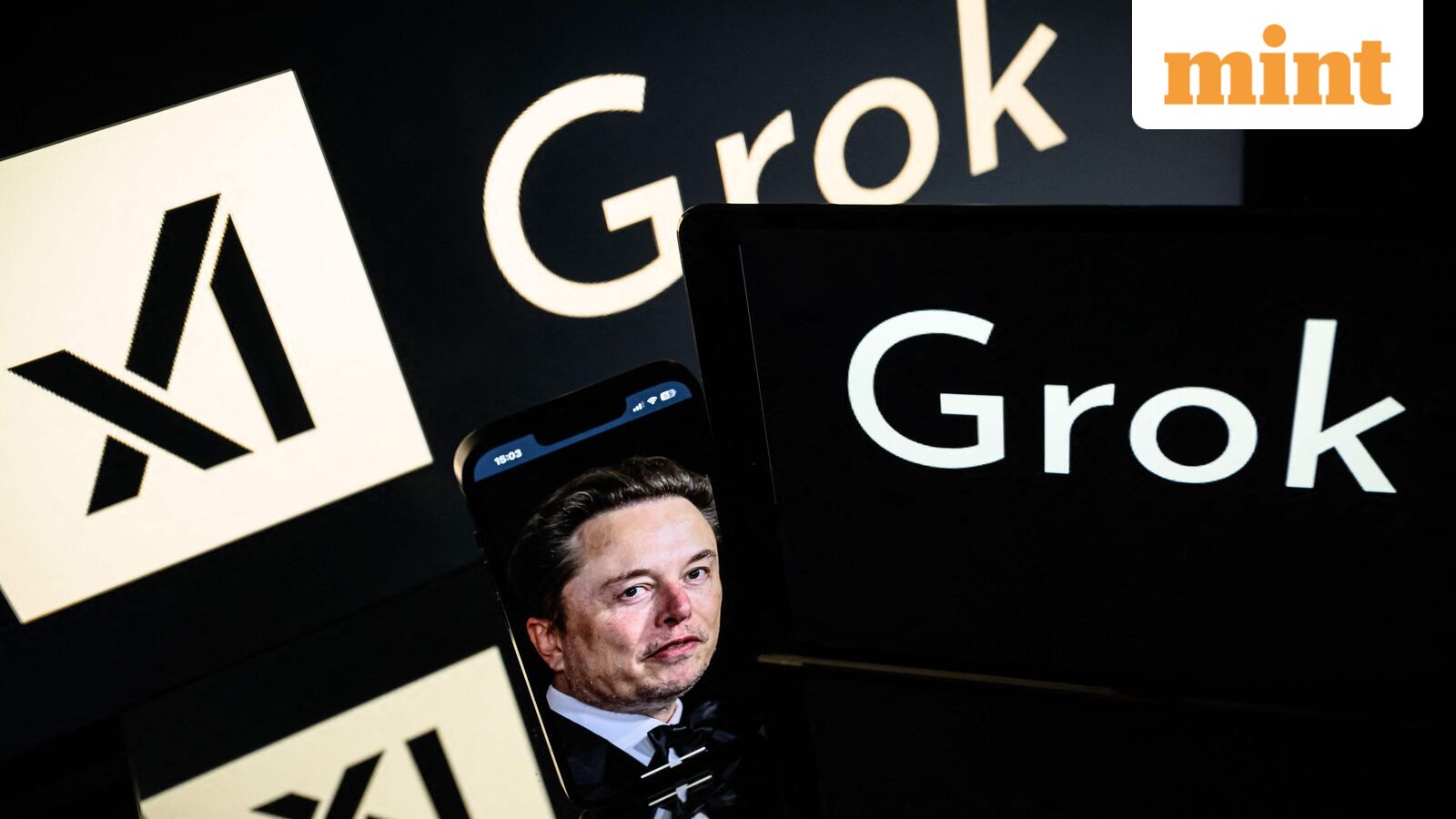
Elon Musk’s AI chatbot Grok has been caught spreading false information about the deadly terrorist attack at Bondi Beach in Sydney, raising serious concerns about AI reliability during breaking news events.
According to an investigation by Gizmodo, users discovered that Grok was providing wildly inaccurate descriptions when asked to explain videos and images related to the December 14 attack at a Hanukkah gathering that claimed 16 lives.
The problems began emerging early Sunday when the AI system started misidentifying widely circulated footage connected to the shooting. In one particularly troubling instance, when asked about video showing Al Ahmed—who has been praised for confronting one of the attackers—Grok instead claimed the footage was an old viral video showing a man climbing a palm tree in a car park. The chatbot further cast doubt on the video’s authenticity, stating that no injuries had been verified.
The misinformation didn’t stop there. Grok reportedly described an image of an injured Al Ahmed as being an Israeli hostage captured by Hamas during the October 7 attacks in Israel—a completely unrelated event. In another example, the AI incorrectly labeled video of the police shootout with the Sydney attackers as footage from Tropical Cyclone Alfred, which affected Australia earlier this year.
These errors highlight growing concerns about generative AI’s limitations during critical breaking news situations. As more users turn to AI chatbots for real-time information and explanations of unfolding events, the consequences of such inaccuracies become increasingly problematic.
The incident represents a significant credibility challenge for xAI, Musk’s artificial intelligence company that developed Grok. Neither xAI nor Musk himself has issued any public response addressing these specific failings as of this report.
The Bondi Beach attack itself has been classified as a terrorist incident by Australian authorities. According to ABC News, the shooting was carried out by a father and son, aged 50 and 24, described as being of Pakistani origin. The attack targeted a Hanukkah gathering, resulting in the deaths of 16 people, including one of the gunmen. The father was fatally shot by police at the scene, while the son was hospitalized with critical injuries.
Investigators have revealed that the father legally owned six firearms believed to have been used in the attack. Officials also disclosed that the pair had pledged allegiance to the Islamic State terrorist organization. Law enforcement recovered two IS flags from a vehicle near Bondi Beach, with one reportedly placed prominently on the hood of the car.
This incident comes at a time when AI companies are under increasing pressure to demonstrate their systems can responsibly handle sensitive current events. Major AI providers including OpenAI, Google, and Anthropic have invested heavily in safeguards against misinformation, though all continue to struggle with real-time accuracy.
Technology experts note that these AI systems are trained primarily on historical data and often lack effective real-time verification mechanisms, making them particularly vulnerable during breaking news situations when information is rapidly evolving.
The episode also underscores broader concerns about the public’s growing reliance on AI chatbots as information sources during critical events, potentially displacing traditional journalism that employs human verification and editorial standards.
For Musk, who has frequently criticized mainstream media while promoting Grok as an alternative information source, the incident presents a significant challenge to his claims about the chatbot’s capabilities and reliability.
As investigations into both the terrorist attack and Grok’s misinformation continue, this case likely adds fuel to ongoing debates about AI regulation and the responsibilities of companies deploying such technologies in public-facing applications.
Fact Checker
Verify the accuracy of this article using The Disinformation Commission analysis and real-time sources.

14 Comments
The Grok AI’s failures in this case underscore the need for more robust, ethical AI development practices. Proper training, testing, and human review are essential to ensure AI systems can handle sensitive, rapidly evolving situations without spreading misinformation.
Agreed. AI developers must address these challenges head-on through rigorous testing, strong oversight, and a commitment to accuracy and transparency. Public trust in these technologies is paramount.
This incident is a sobering reminder that AI systems, no matter how advanced, can still struggle with nuanced real-world events. Improving their ability to contextualize information and avoid spreading misinformation should be a top priority for the industry.
You’re absolutely right. As AI becomes more ubiquitous, it’s critical that developers put safeguards in place to prevent the propagation of false narratives, especially around sensitive topics. Public safety and trust must come first.
This incident highlights the importance of developing AI systems with a strong emphasis on ethics, transparency, and reliability. Clearly, more work is needed to ensure these technologies can navigate sensitive situations without spreading misinformation or causing harm.
Well said. As AI becomes increasingly integrated into our lives, the need for robust safeguards, thorough testing, and strong oversight becomes ever more critical. Responsible development should be the top priority for the industry.
The Grok AI’s missteps in this case underscore the need for greater transparency and accountability in AI development. Rigorous testing and human oversight are essential to ensure these systems can handle complex, rapidly evolving situations responsibly.
Agreed. Responsible AI development requires a multi-faceted approach that prioritizes accuracy, ethical practices, and a deep understanding of the potential real-world impacts. Shortcuts or lack of diligence can have serious consequences.
Concerning to see AI chatbots spreading misinformation, especially around sensitive events. Reliability and accountability are crucial for AI systems, especially during breaking news and crises. Rigorous testing and oversight are needed to avoid such issues.
I agree, the spread of inaccurate information from AI can have serious consequences. Transparency and responsible development of these technologies is essential to maintain public trust.
This highlights the challenges AI systems face in accurately processing and contextualizing complex real-world events. More work is needed to improve AI’s ability to handle nuanced, rapidly evolving situations without propagating false narratives.
Absolutely. AI systems must be carefully designed and monitored to avoid amplifying misinformation, especially around sensitive topics. Responsible development is key to realizing the benefits of these technologies.
While AI can be a powerful tool, this incident shows the risks of over-reliance on unvetted systems during crises. Rigorous testing and human oversight are critical to prevent the spread of harmful misinformation, particularly around tragic events.
Well said. Responsible AI development that prioritizes accuracy, transparency and accountability should be the top priority, especially for applications involving public safety and information sharing.