


Listen to the article
The Psychology Behind Fake News Sharing: Beliefs Trump Truth
In an age of unprecedented information flow, researchers have identified a concerning trend: people are more likely to share false information that aligns with their beliefs than true information that challenges them. This finding comes from a comprehensive study examining how people evaluate and interact with news about the COVID-19 pandemic.
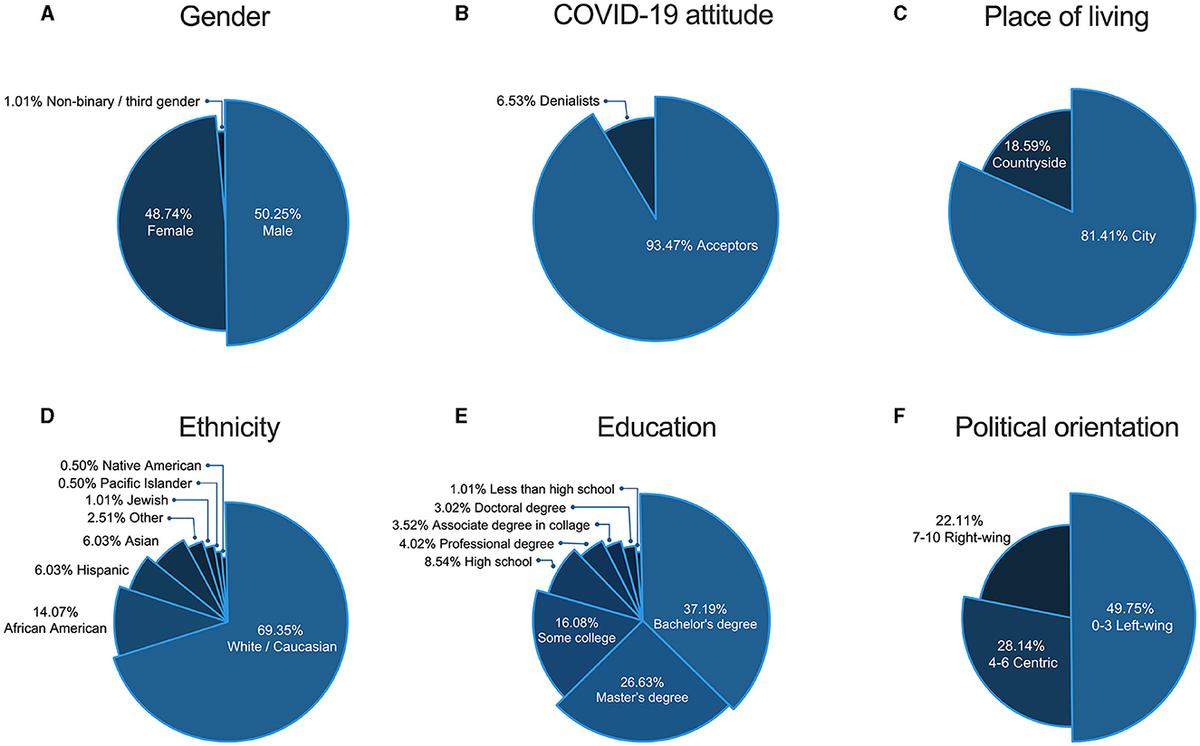
The research, conducted with 199 American adults, reveals that while people generally can distinguish between true and false news when directly asked, their sharing behavior follows a different pattern entirely.
“When assessing the veracity of news, people tend to focus mostly on its truthfulness,” explain the researchers. “However, when engaging with news—liking or sharing it—they prefer information that is congruent with their view rather than actually true.”
This disconnect helps explain why misinformation often spreads faster and farther on social media than factual content.
Multiple Factors Influence Information Assessment
The study identified three key factors that influence how people respond to news:
Truthfulness – whether the information is objectively true or false.
Cognitive utility – whether the information aligns with or challenges a person’s existing beliefs.
Presentation style – whether the content is presented in a sensationalistic (“populistic”) or straightforward (“sober”) manner.
When evaluating whether something is true, participants were most influenced by the actual truthfulness of the information, followed by presentation style, with cognitive utility having the least impact. However, the pattern reversed when it came to sharing behavior, with cognitive utility becoming the dominant factor.
Participants showed a clear preference for sharing news presented in a straightforward style that confirmed their existing beliefs—regardless of whether that news was true or false.
The “Trojan Horse” of Misinformation
The research team warns that these findings point to an effective strategy for spreading misinformation that they call the “Trojan Horse” approach.
“The information designed in this way would have two components: a disinformation carrier and disinformation on its own,” they explain. “The carrier comprises information that is consistent with the opinion of a part of society on one of the most polarizing topics, which, through its compliance with the views of the recipients, would be widely shared, dragging with it the actual disinformation.”
Examples of this strategy can be seen in false claims that connected COVID-19 to politically divisive topics, such as assertions that the coronavirus was developed in Ukrainian laboratories or that migrants were spreading new variants.
Social Media Amplifies the Problem
The study highlights how social media environments intensify these issues. The platforms blur the line between facts and opinions while making information sharing effortless, creating perfect conditions for misinformation to flourish.
“The desire to share information within one’s social circle is deeply rooted in evolution,” the researchers note. “As gossiping serves to build trust networks in past generations, sharing, liking, and commenting on online information in social networks reinforces trust in digital communities.”
This evolutionary trait, combined with the preference for belief-confirming information, creates a dangerous dynamic in the digital age.
Implications for Addressing Misinformation
These findings have significant implications for researchers, public health officials, and anyone working to combat misinformation. Traditional approaches that focus solely on fact-checking or debunking may miss the psychological dynamics driving sharing behavior.
“Perhaps instead of debunking maladaptive beliefs, better results could come from an approach that addresses these beliefs with compassion and understanding of individual worldviews,” the researchers suggest.
The study also emphasizes the importance of distinguishing between different forms of susceptibility to misinformation. Being able to recognize false information doesn’t necessarily prevent someone from sharing it if it aligns with their worldview.
As social media platforms continue to evolve and information volumes grow, understanding these psychological patterns becomes increasingly crucial for developing effective strategies to promote information literacy and reduce the spread of harmful misinformation.
Fact Checker
Verify the accuracy of this article using The Disinformation Commission analysis and real-time sources.

8 Comments
Fascinating study on the psychology behind misinformation sharing. Seems people are more swayed by beliefs than facts when engaging with news online. Speaks to the importance of critical thinking and verifying information sources.
You’re right, it’s concerning how easily false information can spread if it aligns with people’s preexisting views. Objective truth often gets lost in the shuffle of social media.
Concerning but not unexpected. The tendency to prioritize beliefs over facts when engaging with news is a well-documented human cognitive bias. This research underscores the need for improved critical thinking skills and fact-checking habits.
The psychology behind fake news sharing is a complex issue. This study provides valuable insight into the cognitive factors at play. Addressing misinformation will require a multi-faceted approach targeting both individual behavior and systemic issues.
Well said. Tackling misinformation is a major challenge, but one we must confront head-on as a society. Improving media literacy and digital citizenship will be crucial.
This research highlights a worrying trend – the human tendency to prioritize confirmation of our beliefs over factual accuracy. No wonder misinformation thrives online. We need to be more vigilant consumers of news and information.
Agreed. Developing stronger media literacy skills is crucial to combat the spread of misinformation. Verifying sources and cross-checking claims should be second nature.
Interesting findings, though not entirely surprising. Humans are inherently biased creatures. This study shows just how powerful those biases can be when it comes to how we evaluate and engage with news online. Food for thought.