


Listen to the article
Wind Turbine Eagle Deaths: Trump’s Claims vs. Reality
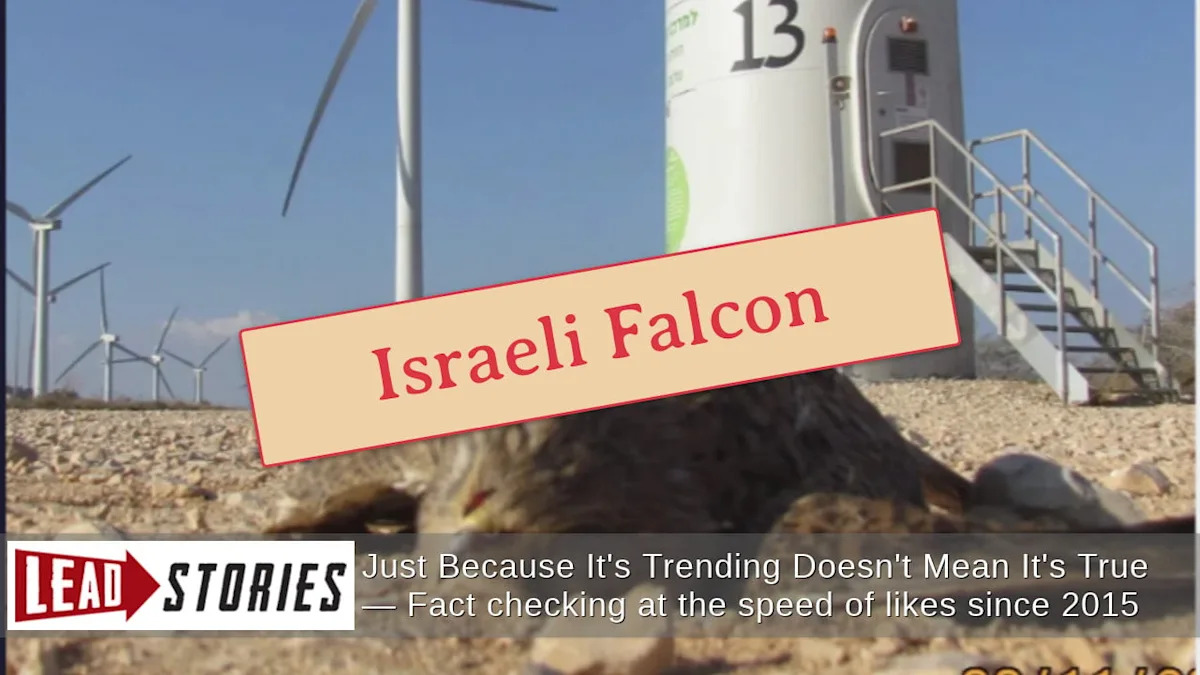
Former President Donald Trump sparked controversy with a recent Truth Social post claiming that “windmills are killing all of our beautiful Bald Eagles!” accompanied by a disturbing image of a dead bird. An investigation into these claims reveals significant factual discrepancies in both the imagery used and the scale of the issue described.
The photograph shared by Trump does not depict an American bald eagle at all, but rather a falcon killed by a wind turbine in Israel in 2017. The image was originally captured by Hedy Ben Eliahou, a park ranger with the Israel Nature and Parks Authority, and was published in the Israeli newspaper Haaretz that same year.
Wildlife conservation experts and researchers have consistently documented that while wind turbines do pose a threat to eagles and other birds of prey, the impact falls far short of endangering the entire bald eagle population, which has made a remarkable recovery in recent decades.
According to a comprehensive assessment by the U.S. Department of the Interior, the bald eagle population in the contiguous United States reached approximately 316,700 birds in 2019. This represents a dramatic conservation success story, considering the species was once on the brink of extinction in the lower 48 states.
Scientific studies examining wind turbine wildlife impacts have found that several hundred eagles are killed annually by these structures across the United States. However, these fatalities include both bald eagles and golden eagles, with golden eagles typically suffering higher mortality rates due to their habitat preferences overlapping more frequently with wind energy development zones.
A study focusing on golden eagle mortality estimated that approximately 270 golden eagles were killed by wind turbines in the western United States in 2024, with potential ranges from 72 to 877 birds. Golden eagles, while federally protected like their bald counterparts, number around 30,000 in the contiguous United States, compared to the more numerous bald eagle population.
The energy industry’s impact on eagle populations has drawn legal scrutiny. In 2022, ESI Energy, which operates wind facilities across seven western states, faced federal prosecution for violations of the Migratory Bird Treaty Act. The company acknowledged that 136 bald and golden eagles died at 50 of its energy facilities between 2012 and 2022 after collisions with turbine blades, with court documents indicating most casualties were golden eagles.
This prosecution came despite a policy shift during Trump’s own administration. In March 2025, his administration announced it would no longer pursue legal action against companies for unintentional eagle deaths caused by industrial activities, according to reporting by the New York Times.
Wildlife conservation groups and energy developers have increasingly worked to mitigate bird mortality through improved turbine siting, advanced detection technologies, and operational modifications during peak migration periods. These efforts aim to balance renewable energy development with wildlife protection.
The U.S. Fish and Wildlife Service continues to monitor both bald and golden eagle populations while working with energy companies to reduce fatalities through permitting programs that require mitigation measures and conservation investments when eagle deaths cannot be avoided.
While the threat to eagles from wind energy development remains a legitimate conservation concern requiring ongoing attention and improved mitigation strategies, the current data does not support claims that wind turbines are decimating the American bald eagle population, which continues to thrive across much of its historic range.
Fact Checker
Verify the accuracy of this article using The Disinformation Commission analysis and real-time sources.

8 Comments
It’s concerning to see such blatant misrepresentation of the facts around bald eagle mortality. We need to be vigilant about separating truth from political rhetoric, especially on environmental issues. This article does a good job of highlighting the discrepancy between the claims and the actual data.
Agreed. Spreading misinformation, even if unintentional, can undermine important conversations around renewable energy and wildlife conservation. It’s crucial that we rely on authoritative sources and scientific evidence when discussing these topics.
The recovery of the bald eagle population is an impressive conservation success story. While any bird deaths from wind turbines are regrettable, the overall impact appears to be relatively small compared to other threats like habitat loss and hunting. We should focus on balanced, fact-based discussions around renewable energy.
This fact check is a good reminder that we should be skeptical of sensational social media posts, even from prominent figures. While wind turbines may pose some risk to birds, the data clearly shows the bald eagle population is thriving, not being decimated as claimed. Responsible reporting and fact-checking are essential.
While wind turbines can pose a threat to birds, the claims about widespread bald eagle deaths seem exaggerated. The bald eagle population has actually been recovering well in recent decades, reaching over 300,000 birds in the U.S. by 2019. We should rely on facts and data from wildlife experts, not unsubstantiated social media posts.
Exactly. It’s important to separate facts from political rhetoric, especially when it comes to environmental issues. The data shows the bald eagle population is thriving, not being decimated by wind turbines.
This fact check highlights the importance of verifying claims, especially when they come from high-profile figures. Using a misleading image and exaggerating the impact of wind turbines on bald eagles is simply irresponsible. We need to base policy decisions on sound science, not misinformation.
Well said. Spreading disinformation, even inadvertently, can have real consequences. I’m glad to see this article setting the record straight with data from reliable sources.