


Listen to the article
In a bizarre case of digital misinformation, an image purporting to show an official White House butler memo about missing tableware has been debunked as fake after circulating widely on social media platforms earlier this month.
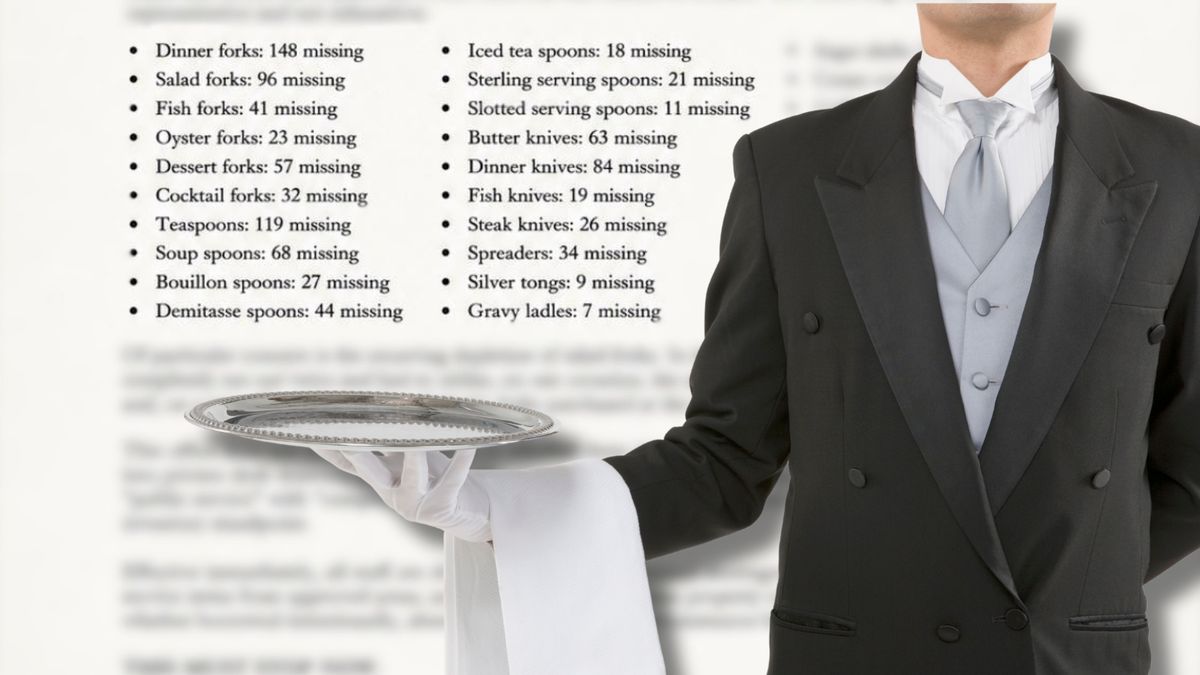
The fabricated document, which first appeared on May 7, claimed to be an official communication from “Edwin P. Markham,” identified as the White House’s “chief butler.” The memo dramatically detailed the “ongoing pilferage, disappearance, unauthorized relocation, and probable theft” of White House cutlery that had allegedly reached “operationally disruptive and deeply irritating” levels.
According to the fraudulent document, some 1,103 pieces of White House cutlery and tableware had gone missing as of April 29, with a particular emphasis on the “recurring depletion of salad forks.” The memo claimed White House staff had been forced to borrow forks from “the alternate Air Force One” and even purchase plastic utensils from a nonexistent store in the fictional town of “Torqueville, Maryland.”
The fabricated memo spread rapidly across social media platforms, particularly on Threads and Facebook, where many users appeared to accept it as authentic. The viral nature of the post prompted multiple reader inquiries to fact-checking organizations asking for verification.
A White House spokesperson swiftly dismissed the document, labeling it “Fake News” in an email response on May 7.
Further investigation traced the origin of the hoax to a Facebook user named Robert Hawks, who posted the fake memo and later appeared to claim responsibility for creating it. In a follow-up post the same day, Hawks wrote: “My only regret is that I thought of a way great joke to top the whole thing with and that was to demand the explanation of 2433 missing salt shakers.”
Beyond the creator’s own admission, several elements within the document itself revealed its fraudulent nature. Most notably, the reference to “Torqueville, Maryland” – a location that does not exist and may be a nod to a fictional place in the Pixar “Cars” film franchise.
Additionally, the organizational terminology used in the memo does not align with actual White House staffing structure. According to the White House Historical Association, the presidential residence does not use terms like “chief butler” or “Butler’s Office” as they appeared in the document. Instead, household staff, including butlers, are overseen by the chief usher through the White House Usher’s Office, with the lead butler typically holding the French title “maître d’hôtel” or “head butler.”
The incident highlights the ongoing challenge of misinformation spreading through social media channels, where fabricated documents can quickly gain traction when presented with an air of authenticity. This is particularly true when such content aligns with existing narratives or appears to offer a glimpse into normally private institutional operations.
This is not the first instance of fake memos circulating as legitimate government communications. Previous debunked examples have included fabricated documents claiming the FBI had designated LGBTQ+ people as terrorists and that the Trump administration planned to replace paper currency with “Trumpcoin.”
The case serves as a reminder for social media users to approach purported leaked documents with appropriate skepticism, particularly when they contain unusual claims, reference nonexistent locations, or appear to have organizational inconsistencies.
Fact Checker
Verify the accuracy of this article using The Disinformation Commission analysis and real-time sources.

6 Comments
The fake ‘White House butler memo’ about lost forks and spoons is quite amusing, but it highlights how misinformation can spread quickly online these days. I’m curious to learn more about the real facts behind this quirky story.
Agreed, the fabricated memo is clearly meant as a joke, but it’s concerning that so many people seemed to accept it as real. Fact-checking is important, even for seemingly trivial stories.
While the missing cutlery story is certainly an unusual one, I’m skeptical of the authenticity of this so-called ‘official memo.’ The White House’s denial suggests this was likely just an internet hoax that got way out of hand.
Yes, the level of detail in the fake memo, like the ‘Torqueville, Maryland’ store, makes it seem pretty clearly fabricated. I wonder who created this and why it went viral so quickly.
This is quite the strange story about missing White House cutlery. I wonder what the real story is behind the alleged theft and if there are any legitimate security concerns around the tableware situation.
It’s concerning if sensitive government property is indeed going missing, but the ‘memo’ does seem a bit over-the-top. I hope the administration provides some clarity on the actual situation.