


Listen to the article
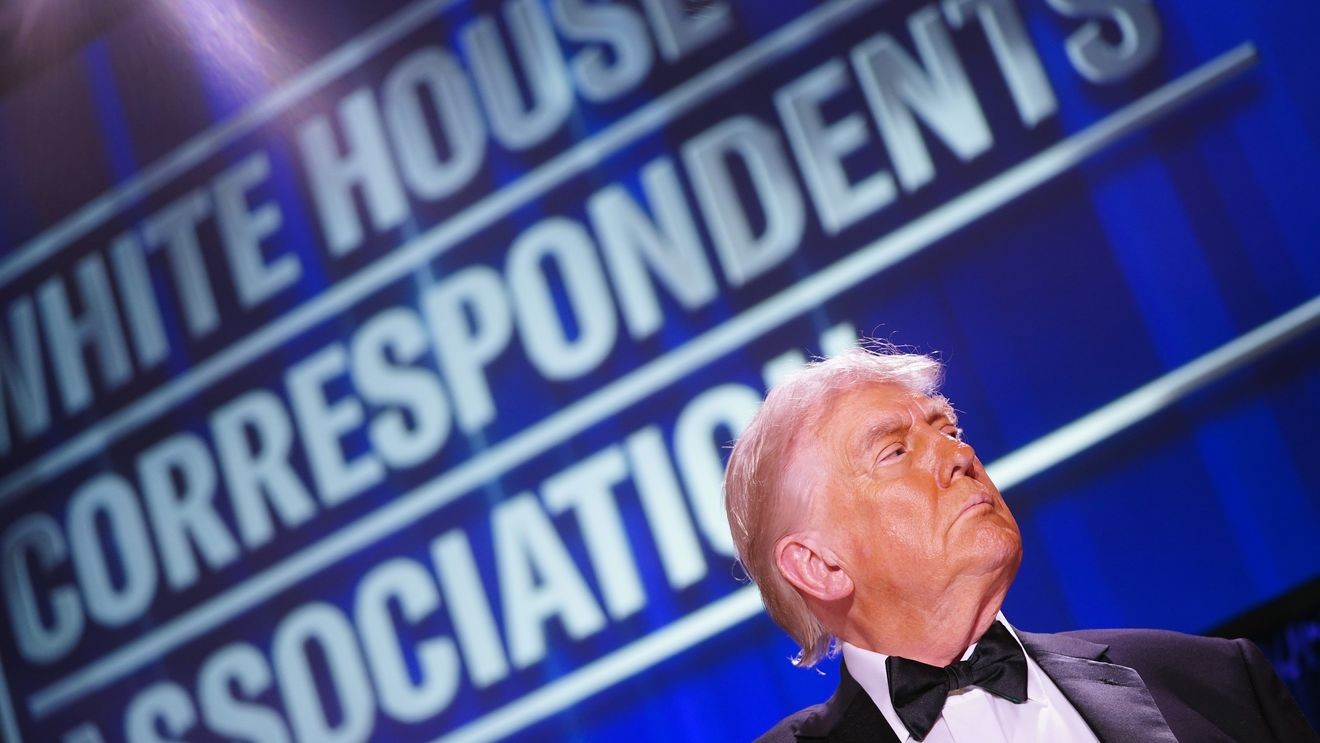
Security concerns are mounting after an attempted shooting near the White House Correspondents’ Dinner, the latest in a long and troubling history of violence targeting U.S. political figures.
Federal officials on Monday charged 31-year-old Cole Tomas Allen with two counts of federal gun crimes and one count of attempting to assassinate former President Donald Trump. According to investigators, Allen traveled across the country from California and stayed at the event hotel, armed with multiple weapons. Officials believe he acted alone and may have left behind writings expressing anger toward government officials.
The incident comes amid heightened tensions in an already polarized political landscape. Trump recently described the presidency as a “dangerous” job – a characterization supported by America’s history of political violence.
Four U.S. presidents have been assassinated since the nation’s founding: Abraham Lincoln in 1865, James A. Garfield in 1881, William McKinley in 1901, and John F. Kennedy in 1963. All died from gunshot wounds, and each assassination prompted significant changes to presidential security protocols.
Yet the historical record shows that unsuccessful attempts are far more common than successful ones. President Andrew Jackson survived an 1835 attack when both guns aimed at him fortuitously misfired. Harry S. Truman escaped harm during a 1950 attack at Blair House, the presidential residence where he was staying during White House renovations. In 1981, Ronald Reagan was shot and seriously wounded but survived an assassination attempt.
Political violence extends beyond presidents to other prominent figures. Civil rights leader Martin Luther King Jr. and presidential candidate Robert F. Kennedy were both assassinated in 1968. More recently, conservative activist Charlie Kirk has faced threats, highlighting how polarizing figures across the political spectrum can become targets.
Security experts classify many of these attacks as “grievance-fueled violence,” characterized by a toxic combination of personal resentment, political anger, and perceived injustice. While there is no singular profile for attackers, common patterns have emerged from past incidents.
“These perpetrators often act alone, harboring long-building grievances that eventually reach a breaking point,” said Dr. Melissa Reeves, a former president of the National Association of School Psychologists who specializes in threat assessment, in previous interviews on the subject. “There’s typically advance planning involved, and many leave behind manifestos or written threats explaining their rationale.”
Some attackers have histories of criminal behavior or mental health challenges, though experts caution against oversimplifying these cases. The pathways to political violence are complex and multifaceted, making prevention particularly challenging.
The Secret Service, tasked with protecting current and former presidents, continually evolves its security protocols in response to new threats. Following the recent incident at the Correspondents’ Dinner, security officials are reportedly reviewing procedures for large events where protected individuals are present.
Law enforcement agencies face the difficult balance of maintaining public accessibility to political figures while ensuring their safety. The U.S. political tradition values relatively open access to leaders, yet each incident raises questions about whether security measures are sufficient.
As polarization increases, some political scientists worry about normalization of violent rhetoric. “When political discourse routinely demonizes opponents, it can create an environment where some individuals feel violence is justified,” noted Dr. Rachel Kleinfeld, a senior fellow at the Carnegie Endowment for International Peace who studies political violence.
The investigation into the White House Correspondents’ Dinner incident continues as authorities work to understand Allen’s specific motivations. While targeted political violence remains statistically rare, its persistent occurrence throughout American history serves as a sobering reminder of the vulnerabilities inherent in democratic systems.
Security officials emphasize that most threats are deterred through preventive measures, though the unpredictable nature of lone attackers presents an enduring challenge for those tasked with protecting public figures in an open society.
Fact Checker
Verify the accuracy of this article using The Disinformation Commission analysis and real-time sources.

11 Comments
It’s alarming to see the frequency of these attempted attacks on US political figures. Improved security protocols and efforts to reduce extremism should be a top priority to safeguard the democratic process.
I agree, the escalating political tensions in the country are deeply troubling and pose real risks. Addressing the root causes of this violence is critical to prevent future incidents.
This attempted shooting is a sobering reminder of the risks US political leaders face. Maintaining robust security while upholding democratic values is a complex challenge that demands a comprehensive, bipartisan approach.
This latest incident highlights the disturbing trend of political violence in the US. While security measures are crucial, addressing the underlying social and political divisions that fuel such extremism is equally important for a lasting solution.
The historical pattern of attacks on US political leaders is deeply concerning. Safeguarding the democratic process requires not only improved security, but also a concerted effort to reduce polarization and promote civil discourse.
Attempted assassinations of political figures, like this latest incident, are a grave threat to the stability of American democracy. Enhancing protection and fostering unity should be top priorities to prevent such attacks.
While the details are still emerging, this latest incident is a sobering reminder of the vulnerability of US political leaders. Enhancing protective measures and promoting unity seem necessary to deter such attacks.
Absolutely. Protecting the safety of elected officials should be a non-partisan priority, regardless of political affiliation. Robust security protocols and de-escalation of inflammatory rhetoric are essential.
This is a concerning pattern of political violence in the US that needs to be addressed. Effective security measures and deescalation of polarization are crucial to protect political leaders and uphold democratic norms.
The attempted shooting near the White House Correspondents’ Dinner is a chilling reminder of the dangers political figures face. Ensuring their security while upholding democratic principles is a delicate balance that requires vigilance.
The escalating pattern of political violence in the US is alarming and must be addressed. Strengthening security protocols and promoting unity across the political spectrum are crucial to safeguarding the democratic process.