


Listen to the article
The Lemon Cancer Cure Myth: Debunking a Viral Health Claim
A misleading health message touting lemons as a miracle cancer cure has been circulating widely on WhatsApp, causing concern among medical professionals and fact-checkers alike.
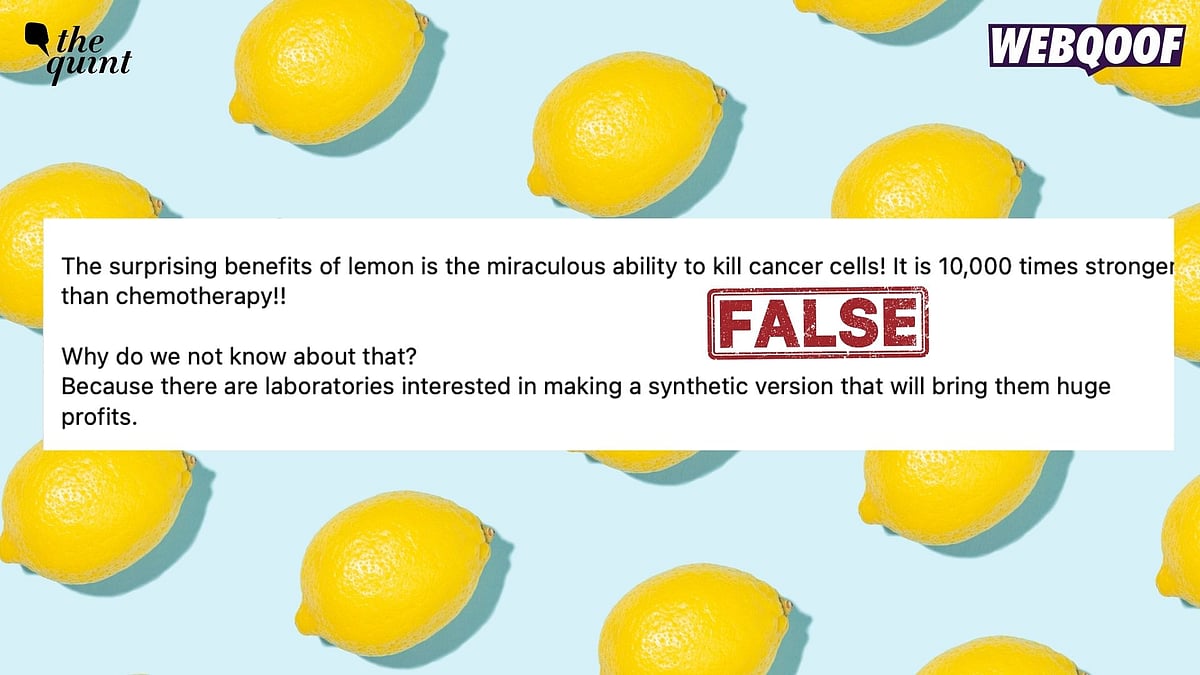
The viral message claims that lemon peel contains compounds that can effectively fight various diseases, including cancer, bacterial infections, parasites, high blood pressure, and nervous disorders. Most alarmingly, it suggests that lemon or lemon-tree extracts can destroy malignant cells in 12 different types of cancer and are supposedly 10,000 times more effective than the chemotherapy drug Adriamycin (doxorubicin).
Medical experts and health authorities have categorically dismissed these claims as false and dangerously exaggerated. There is no credible scientific evidence supporting the notion that lemon juice or lemon peel is superior to conventional chemotherapy treatments or can reverse cancer progression.
Dr. Sarah Jensen, an oncologist at Memorial Cancer Institute, expressed concern about the spread of such misinformation. “These types of viral health claims can be extremely dangerous when patients delay seeking proper medical treatment in favor of unproven home remedies,” she explained. “While lemons do contain some beneficial compounds, comparing them to chemotherapy is not just inaccurate—it’s potentially harmful.”
The American Cancer Society has previously addressed similar claims about “natural cancer cures” and emphasizes that while fruits and vegetables are important components of a healthy diet that may help reduce cancer risk, no single food has been proven to cure or treat cancer once it develops.
This is not the first time citrus fruits have been at the center of exaggerated health claims on social media. Similar messages about lemons, baking soda, and other household items have circulated for years, often gaining traction during health crises or when public anxiety about diseases is heightened.
While lemons do contain vitamin C and certain plant compounds with antioxidant properties that support general health, these benefits have been wildly overstated in the viral message. Some preliminary laboratory studies have investigated citrus compounds for potential anti-cancer properties, but these early-stage findings are far from confirming clinical effectiveness in humans.
“The journey from identifying a compound with potential anti-cancer properties in a lab to developing an effective treatment involves years of rigorous clinical trials,” explained Dr. Michael Chen, a research pharmacologist. “Nothing about lemons has passed this scientific scrutiny, and suggesting they’re more effective than established chemotherapy drugs is completely unfounded.”
Health misinformation experts note that such claims often follow a familiar pattern: they reference vague scientific terminology to sound credible, make dramatic comparisons to conventional medicine, and suggest a conspiracy to suppress “natural cures.”
The World Health Organization has identified health misinformation as a serious global concern, with cancer-related false claims being particularly prevalent. Such misinformation can lead vulnerable individuals to reject evidence-based treatments in favor of ineffective alternatives, potentially with fatal consequences.
Social media platforms including WhatsApp have struggled to contain the spread of health misinformation. Unlike public posts on platforms such as Facebook or Twitter, messages on private messaging apps can spread widely before fact-checkers can intervene.
Health authorities encourage the public to consult reputable sources such as the National Cancer Institute, the American Cancer Society, or qualified healthcare professionals for accurate information about cancer prevention and treatment.
While incorporating lemons and other citrus fruits into a balanced diet offers genuine health benefits, they should be viewed as part of an overall healthy lifestyle rather than as miracle cures or alternatives to medical treatment.
Fact Checker
Verify the accuracy of this article using The Disinformation Commission analysis and real-time sources.

13 Comments
While natural remedies have their place, they should never replace proven cancer treatments. I’m glad to see health authorities pushing back against the misleading claim that lemons are superior to chemotherapy. Fact-checking is so important.
This is an important fact check. Claims that natural remedies can cure cancer are not only false, but can also lead patients to forgo proven medical treatments. I’m glad health authorities are pushing back against this dangerous misinformation.
Absolutely. Spreading unsubstantiated cancer cures online can have serious consequences and put vulnerable patients at risk. Medical experts should continue to provide clear, evidence-based guidance.
Spreading misinformation about cancer cures is incredibly irresponsible. I’m glad this article corrects the record and emphasizes that lemon extracts have no credible evidence of being superior to chemotherapy. Medical advice should come from qualified professionals, not viral social media posts.
This is a concerning trend – the proliferation of unproven health claims on social media that can deter people from seeking effective treatments. I hope more people read this fact check and understand the risks of such misinformation.
Agreed. It’s crucial that reputable sources counter these false claims with science-based information. Patients deserve access to reliable, evidence-backed guidance, not dangerous pseudoscience.
While natural remedies have their place, they should never replace proven cancer treatments like chemotherapy. I hope this article helps counter the misleading claim that lemons are 10,000 times more effective than doxorubicin.
Exactly. Exaggerated health claims without scientific backing can give people false hope and prevent them from seeking proper medical care. Fact-checking is crucial to combat the spread of dangerous misinformation.
This is a concerning trend – the spread of unproven health claims on social media that can lead people to forgo effective treatments. I hope this fact check helps educate the public about the risks of such misinformation.
Absolutely. Patients deserve access to reliable, evidence-based guidance from medical professionals, not dangerous pseudoscience circulated online. Fact-checking is crucial to combat the spread of these harmful claims.
I’m glad to see this viral claim debunked. Promoting unproven remedies as cancer cures is extremely irresponsible and can put vulnerable patients at risk. Medical advice should come from qualified experts, not unsubstantiated social media posts.
This is an important fact check. While natural remedies have their place, they should never replace proven cancer treatments like chemotherapy. I hope this article helps counter the misleading claim that lemons are superior to doxorubicin.
Agreed. Spreading unsubstantiated health claims online can have serious consequences and prevent people from seeking proper medical care. Fact-checking is crucial to combat the spread of dangerous misinformation.