


Listen to the article
Iran’s Dual Strategy: Foreign Military Support and Regional Proxies Extend Tehran’s Influence
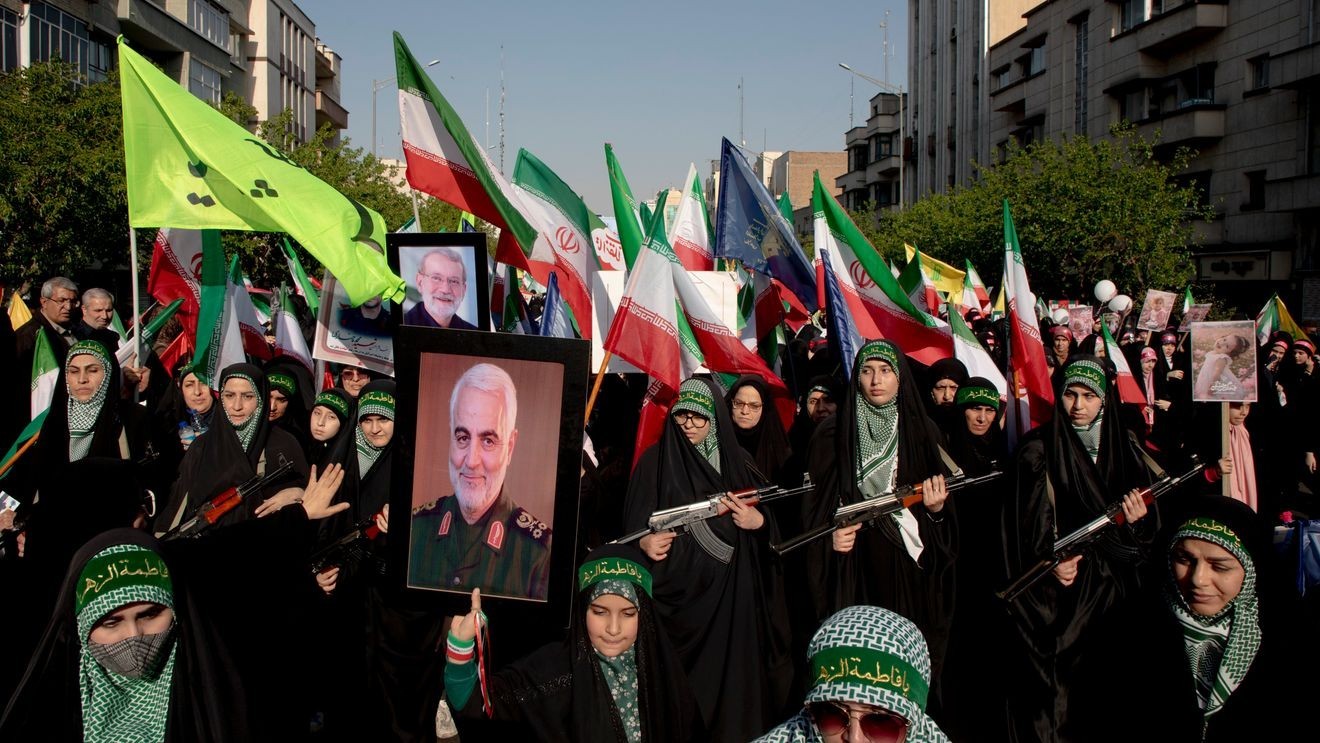
WASHINGTON — Iran is increasingly relying on a sophisticated dual strategy that combines foreign-backed military capabilities with an entrenched network of proxy groups across the Middle East. This approach allows Tehran to extend its regional influence while minimizing the risk of direct confrontation with global powers.
Recent intelligence assessments indicate the Islamic Republic has significantly deepened its defense cooperation with Russia and China, while simultaneously maintaining and expanding its web of armed proxy groups throughout the region, according to U.S. officials and international security analysts.
Secretary of State Marco Rubio has emphasized that Iran’s battlefield capabilities now draw heavily from outside support and regional allies, representing a strategic shift from sole reliance on its conventional military forces.
The Chinese-Iranian military relationship has grown particularly concerning to Western intelligence agencies. U.S. defense analysis reveals China is providing crucial drone components and industrial materials that sustain Iran’s expanding unmanned aerial vehicle program. These include sophisticated engines, batteries, and electronic systems essential for modern drone warfare.
Beyond drone technology, China has reportedly supplied Iran with advanced air defense systems and missile-related technology, including anti-ship capabilities that enhance Tehran’s ability to threaten naval forces operating in the Persian Gulf and surrounding waters.
Russia, meanwhile, has expanded its military cooperation with Iran through the transfer of fighter jets, helicopters, and additional air defense systems. Security experts point to an increasingly reciprocal relationship between Moscow and Tehran, with Iran supplying combat drones used by Russian forces in Ukraine in exchange for technical expertise and military hardware.
“These partnerships are helping Iran rebuild and maintain its military capabilities, particularly in areas where they’ve experienced previous setbacks or technical limitations,” said a Middle East security analyst who requested anonymity due to the sensitivity of the assessment.
While bolstering its conventional military through these international partnerships, Iran continues to rely on its expansive network of proxy forces — a strategy dating back decades that allows Tehran to project power while maintaining strategic ambiguity.
The Council on Foreign Relations documents how Iran funds, trains and equips multiple armed groups across the Middle East, including Hezbollah in Lebanon, Hamas in Gaza, the Houthis in Yemen, and various Shiite militias operating in Iraq and Syria.
This proxy approach allows Iran to engage in what security experts call “gray zone” operations — military activities that fall below the threshold of conventional warfare but advance Iranian strategic interests across multiple fronts simultaneously.
“The genius of Iran’s proxy strategy is that it creates strategic depth without requiring direct Iranian military involvement,” explains Dr. Elizabeth Thompson, an international security professor at Georgetown University. “Tehran can influence conflicts from Gaza to Yemen while preserving plausible deniability and avoiding the full consequences of direct military engagement.”
The Harvard Belfer Center for Science and International Affairs characterizes this approach as part of Iran’s broader effort to “export its revolution” through non-state actors, forming what Iranian officials and their allies often refer to as an “axis of resistance” against the United States, Israel, and their regional partners.
Experts note that while Russia and China have expanded military support to Iran, neither country has directly entered conflicts involving Iranian proxies — suggesting both powers are carefully calibrating their involvement to avoid more serious escalation that could potentially draw them into regional conflicts.
This two-pronged strategy gives Iran significant leverage in regional affairs without the full risks associated with conventional warfare. By maintaining both foreign technological support and a distributed network of allied militant groups, Tehran can project influence across multiple theaters while limiting its direct exposure to military retaliation from more powerful adversaries.
Fact Checker
Verify the accuracy of this article using The Disinformation Commission analysis and real-time sources.

10 Comments
This article provides valuable insights into Iran’s evolving military strategy. The growing defense cooperation with China and Russia, coupled with Iran’s extensive network of regional proxies, paints a complex and concerning picture of Iran’s regional ambitions.
The strengthening of Iran’s military capabilities through Chinese and Russian assistance is certainly concerning for Western powers. It will be crucial to monitor how this affects the regional balance of power.
Agreed, this deepening of ties between Iran, Russia and China is a significant development that could further destabilize an already volatile region.
The report touches on Iran’s ‘dual strategy’ – leveraging foreign military support while also maintaining a web of regional proxies. This multifaceted approach appears designed to maximize Iran’s regional clout through various means.
Yes, Iran is clearly pursuing a diversified strategy to enhance its military power and geopolitical influence. The question is how the international community will respond to counter this.
Iran’s reliance on proxy groups to project influence is a well-known tactic, but the scale and sophistication of their current network is quite remarkable. This strategy seems aimed at avoiding direct confrontation while still advancing Tehran’s agenda.
It’s concerning to see Iran deepen its defense cooperation with authoritarian powers like Russia and China. This could embolden Tehran to take more aggressive actions in the region, which would destabilize an already volatile situation.
The report highlights Iran’s strategic shift towards greater reliance on foreign military support and regional proxies. This appears to be a calculated move to project power without directly confronting global powers.
Absolutely, this seems like a deliberate attempt by Iran to expand its influence while managing the risks of direct military confrontation. It’s a concerning development that merits close monitoring.
This report highlights Iran’s evolving military strategy of leveraging foreign partnerships and regional proxies to expand its regional influence. It’s an interesting geopolitical shift that bears close watching.