


Listen to the article
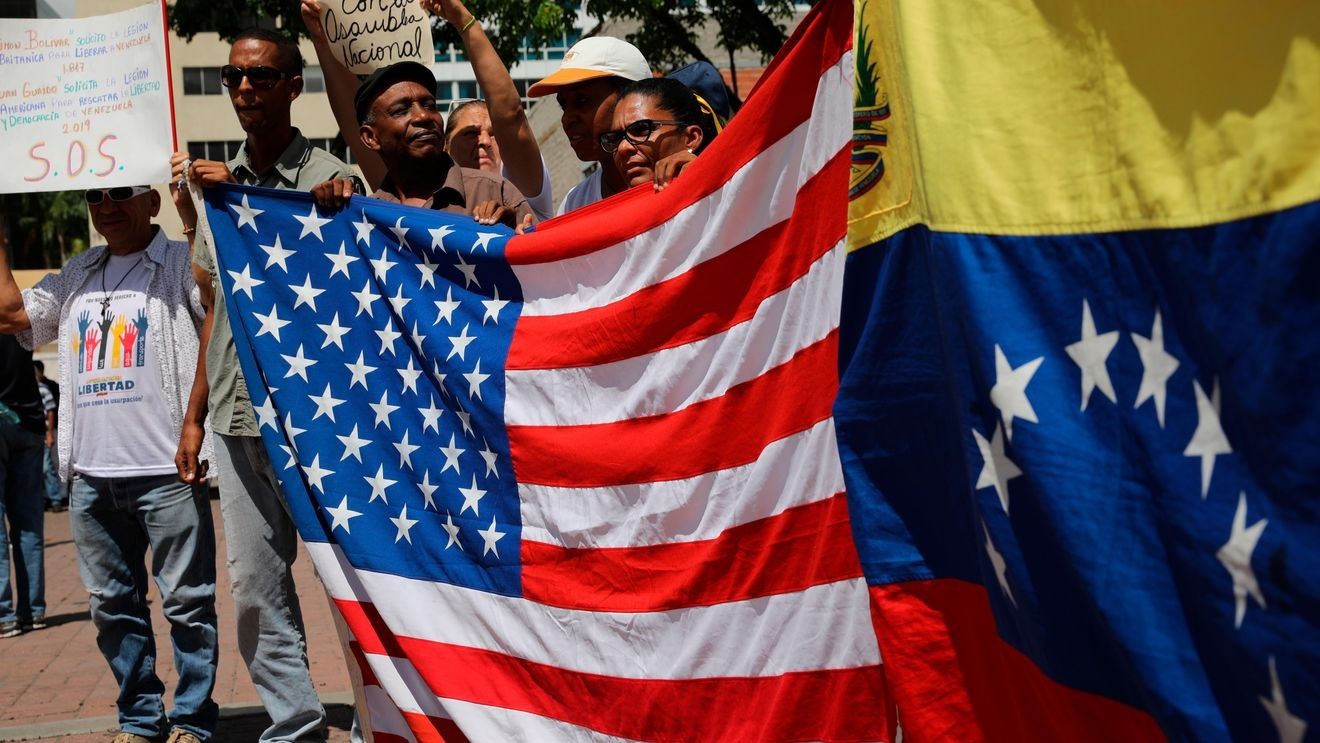
Tensions between the United States and Venezuela have reached another critical point, with recent drug smuggling concerns and U.S. counternarcotics operations marking just the latest chapter in a decades-long deterioration of relations between the two nations.
The current standoff has deep historical roots. According to the Congressional Research Service, relations began seriously declining in the mid-2000s, when the United States started implementing targeted sanctions against Venezuelan individuals and entities. These sanctions addressed concerns over corruption, democratic backsliding, human rights violations, and criminal activity within the country’s power structure.
What makes this conflict particularly notable is its bipartisan nature in Washington. The sanctions and diplomatic pressure have continued across multiple presidential administrations and through both congressional and executive actions, reflecting a rare consistency in American foreign policy.
U.S. officials frequently cite the disputed elections and opposition crackdowns under former President Hugo Chávez and current President Nicolás Maduro as watershed moments in the relationship. As Venezuela’s internal political crisis deepened, traditional diplomacy gradually gave way to sanctions and increased pressure tactics.
The Trump administration significantly escalated this approach, implementing what analysts at the Council on Foreign Relations describe as a “maximum pressure” strategy. The administration accused Venezuela of playing a major role in cocaine trafficking into the United States, expanding sanctions, designating Venezuela-linked criminal groups like Tren de Aragua as terrorist organizations, and increasing military and economic measures tied to narcotics interdiction.
For Trump officials, the issue wasn’t merely policy disagreements but Maduro himself. The administration portrayed his government not as a legitimate diplomatic partner but as a destabilizing force and regional security threat directly connected to transnational organized crime networks.
However, understanding today’s U.S.-Venezuela tensions requires examining the country’s unique economic development path, particularly its relationship with oil.
Venezuela’s modern political system took shape in the early 20th century following the discovery of massive oil reserves that transformed the nation practically overnight. Oil quickly became the economy’s backbone and the main source of government power, centralizing wealth and political authority within the state apparatus. This resource-centered dynamic has defined Venezuelan politics for generations.
A pivotal moment came in 1976 when Venezuela formally nationalized its oil industry, as documented by The New York Times. While this decision initially fueled expanded social spending and government services, it also locked the country into near-total dependence on oil revenues, creating vulnerability to global market fluctuations.
This dependence intensified dramatically under Hugo Chávez’s leadership. Council on Foreign Relations data shows oil exports rose from approximately 71 percent of Venezuela’s total exports in 1998 to nearly 98 percent by 2013. When global oil prices collapsed in 2014, Venezuela’s economy imploded, triggering widespread shortages, spiraling debt, and social unrest that continues to shape daily life in the country.
Economists note that this boom-and-bust cycle created exceptional fragility in Venezuela’s economic structure. According to the Economics Observatory, decades of oil dependence combined with weak institutions and entrenched corruption gradually hollowed out the broader economy. As state revenues dried up, criminal networks gained power and influence while the government’s capacity to deliver basic services steadily eroded.
This context provides essential perspective on current tensions. Today’s U.S.-Venezuela confrontation isn’t simply about isolated incidents or specific policy disagreements but represents the culmination of years of political deterioration, economic mismanagement, and increasingly confrontational relations between Washington and a government it views as both illegitimate and a threat to regional stability.
As both nations navigate this complex relationship, the historical patterns suggest that without significant changes in governance within Venezuela or strategic approach from Washington, these tensions are likely to persist regardless of which administration occupies the White House.
Fact Checker
Verify the accuracy of this article using The Disinformation Commission analysis and real-time sources.

14 Comments
This is a good overview of the historical context behind the US-Venezuela relationship. It’s a shame to see such a breakdown in diplomatic ties, especially given the bipartisan nature of the US policy approach.
Definitely a complex and long-running conflict. Wonder if there are any opportunities for dialogue and compromise to try and improve the situation, despite the entrenched positions on both sides.
The drug smuggling issue is an interesting angle. Curious to learn more about the US counternarcotics operations and how they factor into the broader tensions. Seems like a multifaceted conflict.
Agreed, the drug trade and organized crime within Venezuela’s power structures likely complicate matters further. Addressing those problems could be an area for potential cooperation.
The disputed elections and crackdowns on the opposition in Venezuela certainly seem to be key flashpoints. It’s unfortunate when democratic backsliding leads to such deterioration in international relations.
Yes, the human rights concerns and corruption allegations add another layer of complexity. Restoring democratic norms and institutions in Venezuela could be crucial for any normalization of ties with the US.
Fascinating history behind the US-Venezuela tensions. It’s a complex issue with deep roots going back decades. Curious to see how the current situation plays out with the bipartisan sanctions and pressure.
Agreed, the consistency in US policy across administrations suggests this is a priority issue. Wonder what the path forward could be to improve relations and find common ground.
Interesting to see the consistent US policy towards Venezuela across multiple administrations. Speaks to the gravity of the issues involved, from corruption to human rights. Curious to see if there’s any path forward for restoring more constructive relations.
Yes, the bipartisan nature of the US approach is quite notable. Seems to suggest there’s a broad consensus that the situation in Venezuela is a serious concern warranting a firm response.
This is a useful summary of the historical roots of the US-Venezuela conflict. The drug smuggling concerns and counternarcotics operations add an additional layer of complexity to an already tense relationship.
Definitely a multifaceted issue. The bipartisan nature of the US policy response suggests this is a priority concern that transcends partisan divides. Curious to see if any diplomatic solutions can be found.
The details on the deterioration of US-Venezuela relations in the mid-2000s are helpful context. The sanctions and pressure over corruption, democracy, and human rights violations paint a concerning picture of the situation.
Agreed, the issues around disputed elections and crackdowns on the opposition appear to be at the heart of the conflict. Restoring democratic norms and institutions in Venezuela could be key to any improvement in ties with the US.