


Listen to the article
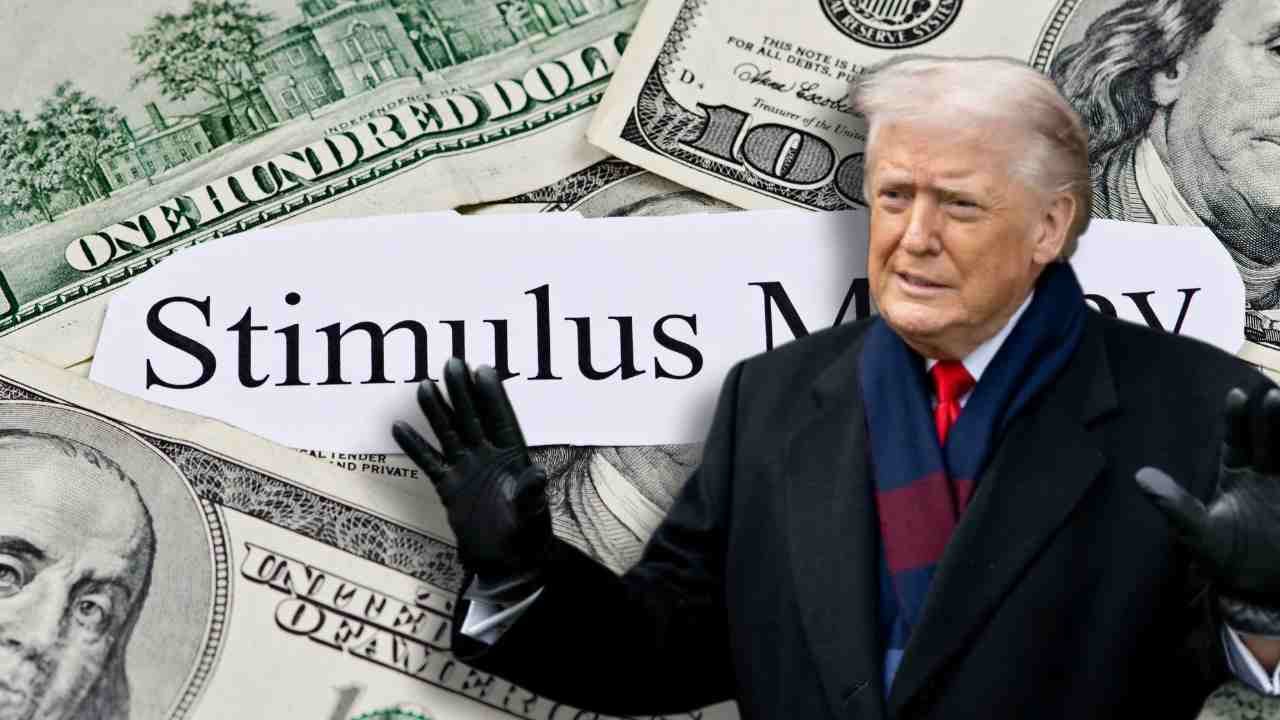
In a recent campaign rally surrounded by supporters chanting his name, former President Donald Trump unveiled a bold economic promise: stimulus checks worth thousands of dollars for working families, funded not through government debt but via import tariff revenue.
The proposal, straightforward in its populist appeal, frames a clear “them versus us” narrative that has become a cornerstone of Trump’s economic platform. Yet when examined beyond the campaign rhetoric and subjected to economic and political scrutiny, the plan faces significant challenges that experts from across the political spectrum have been quick to highlight.
Trump’s “tariff dividend” concept, outlined in statements and posts on his Truth Social platform, would provide one-time payments of at least $2,000 per person to low- and middle-income Americans. Eligibility would be capped at approximately $100,000 in individual or family income, targeting what Trump characterizes as hardworking Americans struggling with inflation and economic uncertainty.
The funding mechanism is central to the proposal’s appeal: revenue generated from substantial global tariffs that Trump promises to implement if returned to office. These tariffs would potentially reach 10% or more on all imported goods, creating what Trump describes as a wealth transfer from foreign producers to American citizens.
However, economic analysis reveals serious flaws in the plan’s financial structure. The Tax Foundation, a non-partisan think tank, estimates the cost of distributing $2,000 checks would range between $280 billion and $607 billion, depending on eligibility requirements and implementation details.
By contrast, even the most optimistic projections suggest the proposed new tariffs would generate between $158 billion and $207 billion annually – creating a substantial funding shortfall. Supporters of the plan have suggested using ten-year revenue projections to cover the cost, but critics point out that Trump has already pledged to use these same revenues to fund tax cuts and reduce the national debt.
“You simply cannot use the same money three different ways,” explained one economic policy expert who requested anonymity. “The arithmetic doesn’t work, regardless of how appealing the political messaging might be.”
Beyond the financial challenges, the proposal faces significant constitutional hurdles. The power to appropriate funds resides with Congress, meaning any stimulus program would require legislative approval. This presents perhaps the most formidable obstacle to implementation.
Even within Republican circles, the plan has encountered substantial resistance. Senator Chuck Grassley, a veteran Republican lawmaker, reportedly called it the “dumbest” idea he had encountered. Other Republican senators, while more measured in their criticism, have privately acknowledged that the proposal “will never pass” the Senate in its current form.
Democrats, meanwhile, have characterized the plan as inflationary and poorly designed, favoring instead more targeted economic stimulus measures with different funding mechanisms. The lack of bipartisan support suggests that even if Trump were to win the presidency, the path to implementing such payments would face significant legislative roadblocks.
The proposal also raises broader economic concerns about the impact of substantial tariffs on consumer prices. Most economists agree that tariffs are ultimately paid primarily by domestic consumers through higher prices, not foreign companies. This could potentially offset the financial benefit of any one-time payment with longer-term price increases on everyday goods.
Market analysts have noted that industries heavily dependent on imported components, including manufacturing, technology, and retail sectors, could face significant disruption if such broad tariffs were implemented.
As the campaign progresses, economic policy experts will continue examining the viability of the tariff dividend concept, weighing political appeal against fiscal reality. For voters, the challenge remains distinguishing between campaign promises and policies with realistic paths to implementation – a particularly difficult task in an era of heightened political polarization and economic uncertainty.
Fact Checker
Verify the accuracy of this article using The Disinformation Commission analysis and real-time sources.

11 Comments
This ‘tariff dividend’ idea taps into populist sentiments, but the practical implementation appears fraught with challenges. Experts will need to closely scrutinize the economic assumptions and potential downsides. I’m curious to see how the proposal is received and evaluated.
The tariff-funded stimulus idea has populist appeal, but the economic and political hurdles seem high. Experts are rightly skeptical about the feasibility and potential downsides. It will be important to closely examine the details and implications.
While the proposal to use tariff revenue for direct payments has political resonance, the economic realities are complex. Relying on import taxes as the funding source raises concerns about trade tensions, consumer prices, and unintended consequences. Detailed analysis will be crucial.
Agreed. The devil will be in the details when it comes to the feasibility and real-world impacts of this type of plan.
The proposal to use tariff revenue for direct payments to Americans is an intriguing campaign promise, but the economic and political hurdles seem formidable. I’ll be following this story closely to see how the proposal is received and evaluated by experts and policymakers.
Trump’s proposal to fund stimulus checks through tariffs is an interesting concept, but the economic complexities and political hurdles are significant. I’ll be watching closely to see how this idea evolves and if it can withstand rigorous analysis.
This tariff-funded stimulus idea taps into the ‘us vs. them’ narrative that has become a hallmark of Trump’s economic platform. However, the economic realities appear to pose major challenges. I’m curious to see how this proposal is received and scrutinized by experts.
The ‘tariff dividend’ plan has eye-catching populist appeal, but the underlying economic logic seems questionable. Relying on import taxes as the funding mechanism raises red flags. Careful, objective analysis of the proposal’s feasibility and potential impacts will be crucial.
While the populist appeal of Trump’s ‘tariff dividend’ plan is understandable, the economic and political complexities involved are daunting. Careful analysis of the funding mechanisms, eligibility criteria, and potential unintended consequences will be essential.
Trump’s claim of a ‘tariff dividend’ to provide direct payments to Americans is an eye-catching campaign promise. However, the funding mechanism and potential economic impacts require careful analysis. I’m curious to see how this proposal evolves and if it gains traction.
Interesting proposal from Trump, but it faces significant challenges. Funding it through import tariffs seems risky and could have unintended economic consequences. I wonder how the eligibility criteria would work in practice and if it would actually help struggling families.