


Listen to the article
The social media rumor mill churned out another false celebrity claim this week, as fact-checkers debunked allegations that golf legend Tiger Woods had severed business ties with Amazon over political differences.
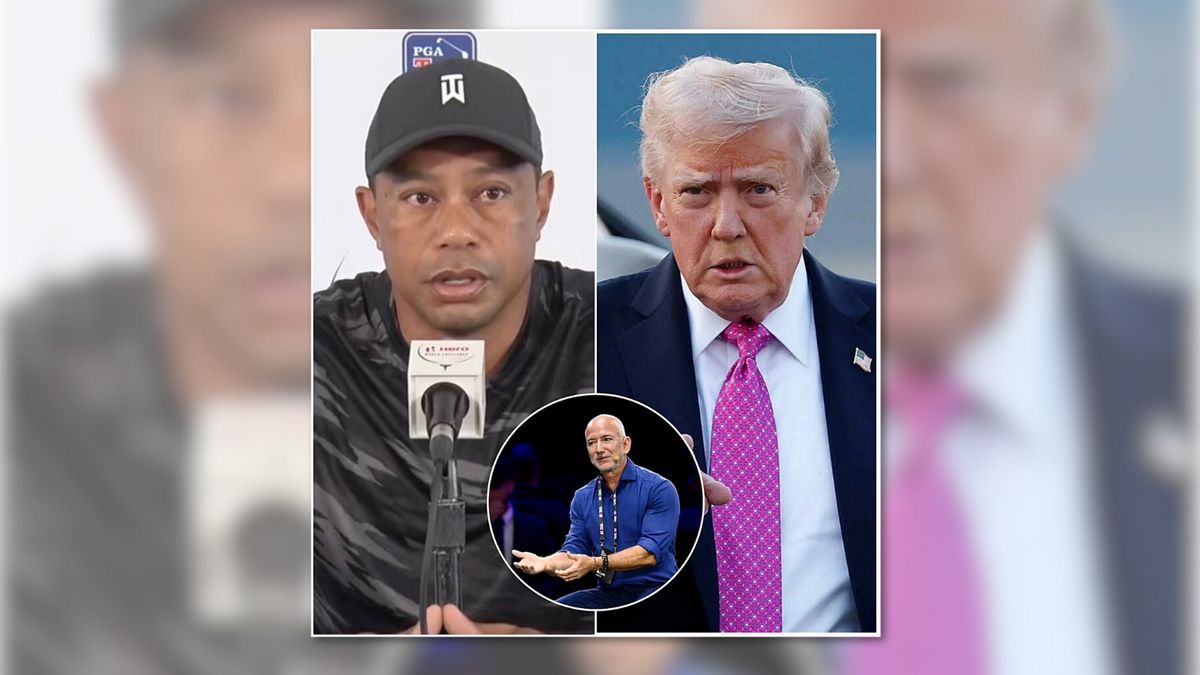
The viral claim, which spread across Facebook and various blogs in October, suggested Woods had publicly announced he was cutting all endorsements and business connections with Amazon due to founder Jeff Bezos’ purported relationship with U.S. President Donald Trump.
“You support Trump, you support hate. I cannot be a part of that,” Woods was falsely quoted as writing on his personal blog.
An investigation by Snopes found no evidence supporting the claim. Comprehensive searches across major search engines including Google, Bing, Yahoo, and DuckDuckGo revealed no credible news sources reporting such a development. Given Woods’ prominence in sports and business, such a public break would have generated significant coverage in mainstream media, particularly in golf publications.
Further undermining the claim’s credibility, researchers found no posts about Amazon or Bezos on Woods’ official social media accounts. Perhaps most tellingly, there appears to be no established business relationship between Woods and Amazon that could be severed in the first place.
The false story appears to be part of a larger network of fabricated content designed to generate advertising revenue. The rumor was primarily spread through Facebook groups and pages, with links often directing users to WordPress-hosted blogs filled with advertisements. One such site identified was blog.vira.com, which featured the false story surrounded by revenue-generating ads.
Analysis of one Facebook page promoting the story, called “Golf Club,” revealed a pattern of posting manipulated images and text likely generated by artificial intelligence tools—a growing concern for misinformation researchers tracking the spread of celebrity-focused false claims.
The fabricated Woods-Amazon dispute emerges against the backdrop of Woods’ continued absence from professional golf. The 15-time major champion has not competed professionally in over a year while recovering from two separate back surgeries, including a recent disc replacement procedure to address ongoing pain and mobility issues.
This isn’t the first time Woods has been the subject of manufactured controversy. Snopes recently debunked another false claim suggesting the golfer was suing U.S. Defense Secretary Pete Hegseth for $50 million.
The incident highlights the increasing sophistication of misinformation campaigns that target high-profile figures, particularly around politically charged topics. By invoking presumed relationships between well-known business figures and political leaders, such content often aims to exploit existing political divisions while generating clicks and revenue.
Media literacy experts recommend that consumers verify celebrity news through official channels or established news outlets before sharing content, particularly when claims appear dramatic or politically divisive. They also suggest checking the source of news articles, as legitimate news organizations typically have established domains rather than generic blog addresses.
As AI tools become more accessible, distinguishing between authentic and fabricated content will likely remain an ongoing challenge for social media users and platforms alike, with celebrity figures like Woods continuing to be prime targets for misinformation campaigns.
Fact Checker
Verify the accuracy of this article using The Disinformation Commission analysis and real-time sources.

16 Comments
This is a good reminder to be skeptical of unsubstantiated social media rumors, especially those involving political angles. Fact-checking is crucial to separate truth from fiction.
Agreed. It’s important to rely on reputable sources and not just take viral claims at face value.
This fact check serves as a good reminder that even seemingly credible claims can turn out to be false. Maintaining a critical eye is essential in the digital age.
Absolutely. Verifying information before sharing it is a responsibility we all have to combat the spread of misinformation.
This fact check provides a valuable lesson on the need to be cautious about unverified information, especially when it involves high-profile individuals and businesses.
Agreed. Spreading unsubstantiated claims can have real consequences, so it’s critical to take the time to properly fact-check.
The detailed investigation into this claim, including searches across multiple search engines, demonstrates the diligence required to separate truth from fiction online.
Exactly. It’s encouraging to see fact-checkers taking the time to thoroughly vet these types of viral rumors.
The lack of any evidence supporting this claim, including no mention on Woods’ own social media, highlights the importance of relying on authoritative and reputable sources.
Agreed. Fact-checking is a crucial step in ensuring the information we consume and share is accurate and trustworthy.
Interesting to see the fact-checking on this rumor about Tiger Woods and Amazon. It’s important to verify claims, especially those involving public figures and businesses.
Agreed. Viral social media claims can spread quickly, so it’s good to see the investigation debunking this one.
The lack of any credible news coverage on this supposed business split is a clear sign the claim is false. Celebrities’ relationships and endorsements tend to be closely watched by the media.
Exactly. If something as major as Woods cutting ties with Amazon had really happened, it would have been widely reported.
The content snippet highlights the importance of comprehensive searches to verify claims. The lack of any evidence, even on Woods’ own social media, further confirms this was a false story.
Absolutely. Thorough investigation is key to debunking misinformation and maintaining trust in the media.