


Listen to the article
Taiwan Fact-Checking Organization Faces Funding Crisis as Disinformation Threats Persist
A critical bulwark against false information in Taiwan faces an uncertain future as Meta, Facebook’s parent company, appears poised to withdraw its significant financial backing in the coming weeks.
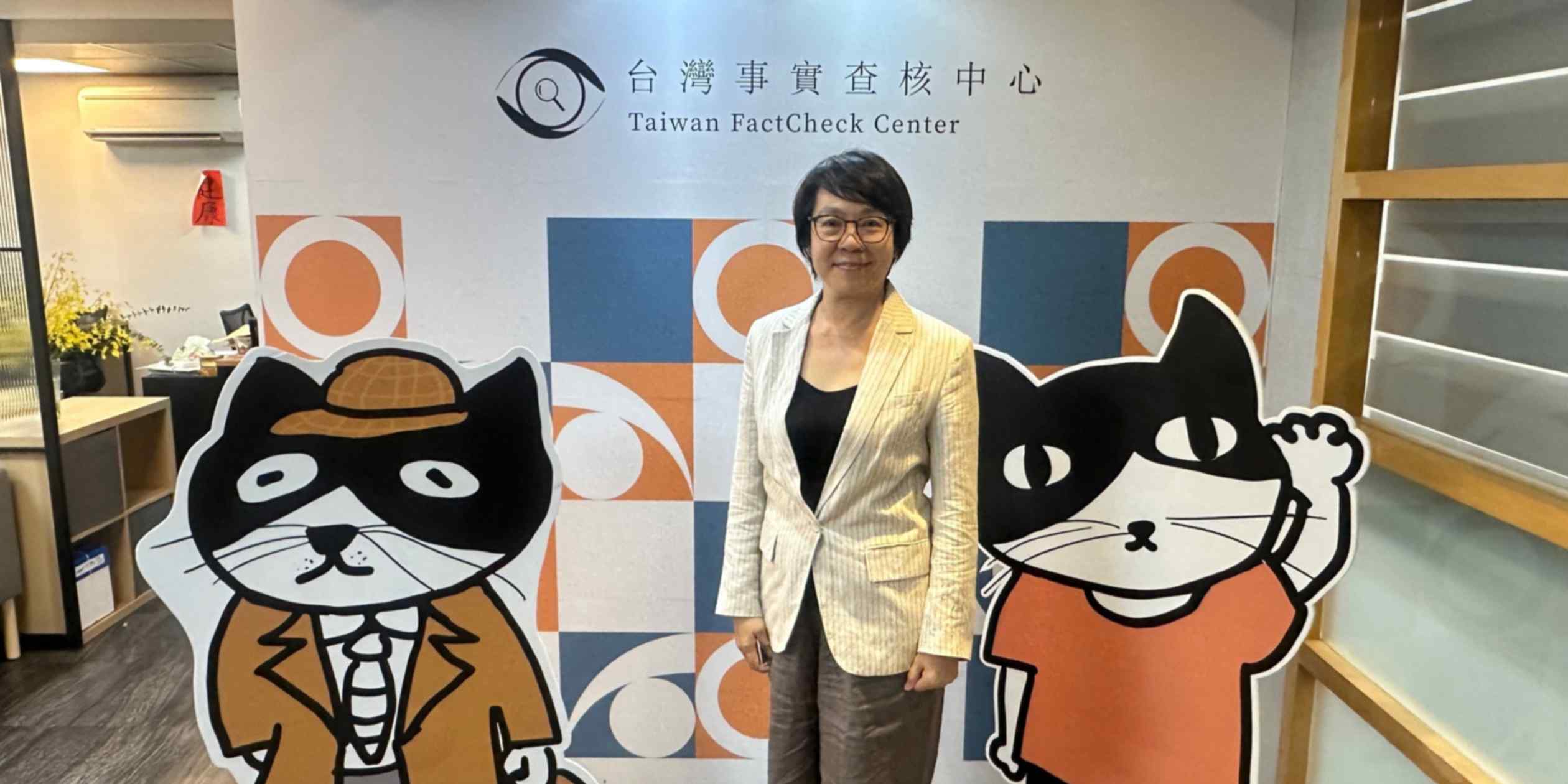
The Taiwan FactCheck Center, a frontline defender against disinformation campaigns targeting the democratic island, may soon confront an existential crisis that could hamper its operations at a time when Taiwan remains particularly vulnerable to coordinated misinformation efforts.
“We’re preparing for several scenarios, including the possibility of significantly reduced operations,” said Chiu Chia-yi, CEO of the Taiwan FactCheck Center, speaking from the organization’s modest Taipei office. “The timing couldn’t be worse given the persistent information threats we’re monitoring.”
Taiwan has long been a prime target for sophisticated disinformation campaigns, many allegedly originating from mainland China, which considers the self-governed island part of its territory. These campaigns have intensified during election periods and moments of heightened cross-strait tensions.
Meta’s potential withdrawal reflects broader industry trends as major technology companies reassess their financial commitments to fact-checking initiatives globally. The company began supporting independent fact-checking organizations worldwide following criticism over its handling of misinformation during the 2016 U.S. presidential election.
Digital security experts warn that any reduction in fact-checking capacity could leave Taiwan more exposed to coordinated disinformation efforts. “Taiwan exists in a uniquely challenging information environment,” explained Dr. Lin Mei-hua, a digital security researcher at National Taiwan University. “Sophisticated actors have demonstrated their ability to seed false narratives that can rapidly spread through social media ecosystems.”
The potential funding gap comes as Taiwan navigates increasingly complex relations with Beijing. Chinese President Xi Jinping has never ruled out the use of force to bring Taiwan under mainland control, and military exercises around the island have become more frequent in recent years.
Information warfare experts suggest disinformation campaigns serve as a low-cost, high-impact tool in this broader geopolitical contest. “False information aimed at Taiwan often seeks to undermine public confidence in democratic institutions, exacerbate social divisions, or distort perceptions of cross-strait relations,” said Chen Wei-ting, an analyst at the Institute for Information Security.
The Taiwan FactCheck Center has previously uncovered coordinated campaigns falsely claiming environmental disasters, political corruption, and vaccine safety issues. Their work involves not only debunking false claims but also tracing the origins and spread patterns of disinformation.
Taiwan’s government has acknowledged the threat, establishing its own initiatives to counter false information while balancing free speech concerns. “We recognize the critical role independent fact-checkers play in our information ecosystem,” said a spokesperson for Taiwan’s Digital Affairs Ministry. “The potential loss of private funding for these organizations is concerning.”
Alternative funding models are being explored, including potential government grants, foundation support, or community-funded approaches. However, each presents challenges regarding independence and sustainability.
“The ideal fact-checking organization must maintain both financial stability and clear independence from government influence to retain public trust,” said media ethics professor Huang Tzu-chiang of Shih Hsin University.
Meta has not officially confirmed its plans regarding funding for the Taiwan FactCheck Center, stating only that it “regularly reviews its partnerships and programs globally.” Industry analysts note that tech companies face mounting economic pressures and shifting priorities as they navigate regulatory challenges across multiple markets.
For Taiwan, the stakes extend beyond a single organization’s funding. As disinformation techniques grow more sophisticated and AI-generated content becomes increasingly difficult to distinguish from authentic material, the island’s information resilience remains a critical component of its democratic security.
“In an environment where information can be weaponized, fact-checking isn’t just about correcting the record—it’s about maintaining the integrity of public discourse,” Chiu emphasized. “That’s especially true for Taiwan, given our unique geopolitical position.”
As the potential funding deadline approaches, Taiwan’s fact-checkers continue their daily work, monitoring social media platforms, analyzing suspicious content patterns, and publishing corrections—uncertain if they’ll be able to maintain these essential operations in the months ahead.
Fact Checker
Verify the accuracy of this article using The Disinformation Commission analysis and real-time sources.

27 Comments
Production mix shifting toward Fact Check might help margins if metals stay firm.
The cost guidance is better than expected. If they deliver, the stock could rerate.
Exploration results look promising, but permitting will be the key risk.
Interesting update on Taiwan’s Fake News Watchdog Faces Crisis Amid Meta Funding Uncertainty. Curious how the grades will trend next quarter.
Good point. Watching costs and grades closely.
Interesting update on Taiwan’s Fake News Watchdog Faces Crisis Amid Meta Funding Uncertainty. Curious how the grades will trend next quarter.
Good point. Watching costs and grades closely.
Nice to see insider buying—usually a good signal in this space.
Good point. Watching costs and grades closely.
Uranium names keep pushing higher—supply still tight into 2026.
Interesting update on Taiwan’s Fake News Watchdog Faces Crisis Amid Meta Funding Uncertainty. Curious how the grades will trend next quarter.
Good point. Watching costs and grades closely.
Good point. Watching costs and grades closely.
Interesting update on Taiwan’s Fake News Watchdog Faces Crisis Amid Meta Funding Uncertainty. Curious how the grades will trend next quarter.
Good point. Watching costs and grades closely.
Good point. Watching costs and grades closely.
Nice to see insider buying—usually a good signal in this space.
The cost guidance is better than expected. If they deliver, the stock could rerate.
Good point. Watching costs and grades closely.
Good point. Watching costs and grades closely.
Exploration results look promising, but permitting will be the key risk.
Exploration results look promising, but permitting will be the key risk.
If AISC keeps dropping, this becomes investable for me.
Good point. Watching costs and grades closely.
Silver leverage is strong here; beta cuts both ways though.
Good point. Watching costs and grades closely.
Good point. Watching costs and grades closely.