


Listen to the article
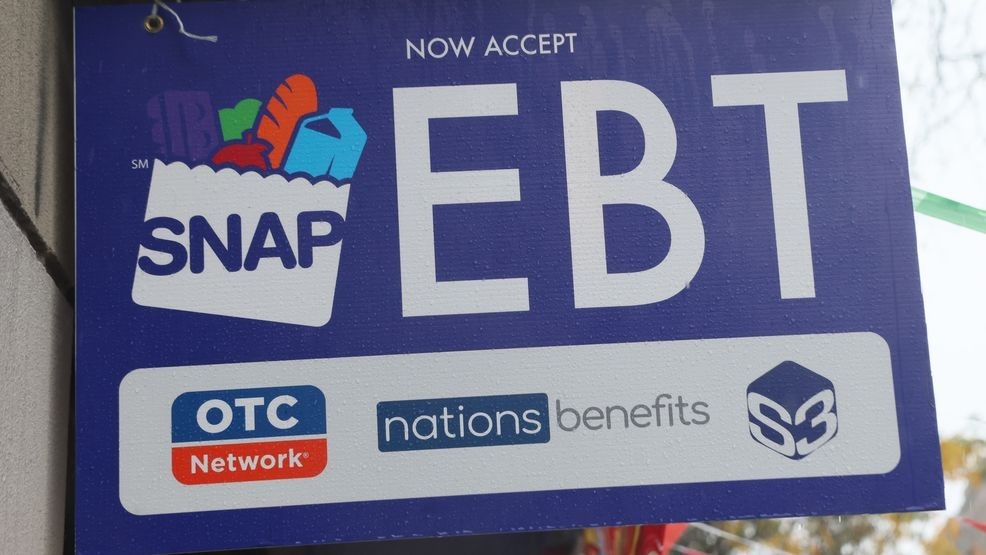
The Biden administration’s push to collect unprecedented levels of personal data from food stamp recipients has ignited a legal battle with 21 states refusing to comply with new federal reporting requirements. Meanwhile, 28 states and Guam have already submitted the requested information to federal authorities.
At issue is a July 24 directive from the U.S. Department of Agriculture that significantly expands the scope of information states must share about participants in the Supplemental Nutrition Assistance Program (SNAP), commonly known as food stamps. While states have historically shared certain data with federal officials, the current request demands personally identifiable information on every recipient, including names, Social Security numbers, birth dates and home addresses.
“Never before has the federal government demanded that States turn over PII on their entire SNAP caseloads, much less home address, social security number, immigration status, and day-to-day grocery purchase information,” the states wrote in their amended lawsuit against the federal government.
The lawsuit outlines several concerns that have led these states, most with Democratic governors, to resist the federal directive. Chief among them are privacy and cybersecurity risks associated with transmitting massive quantities of sensitive personal information. States also fear this data could potentially be used for purposes beyond SNAP administration, such as federal immigration enforcement operations.
Additionally, the lawsuit argues that the USDA is overreaching its statutory authority by attempting to expand federal oversight beyond what Congress has authorized for the program.
Notably, several states with the highest SNAP payment error rates are among those refusing to comply with the data request. According to USDA database information, this includes California, Massachusetts, New Jersey, New Mexico, and Oregon – all states that have historically struggled with administrative accuracy in the program.
The federal government maintains that more detailed data collection is necessary to reduce errors and combat fraud within the SNAP system. However, resisting states counter that the privacy risks outweigh potential benefits, and that federal officials have not demonstrated a clear legal basis for demanding such granular information.
The dispute unfolds against the backdrop of SNAP’s position as one of America’s largest safety net programs. In fiscal year 2024, SNAP served approximately 41.7 million people monthly, with federal expenditures totaling $99.8 billion. The average monthly benefit per participant was $187.20.
Unlike some other assistance programs, SNAP eligibility criteria are determined at the federal level rather than by states. To qualify, households must meet specific income and resource thresholds. According to the Center on Budget and Policy Priorities, gross household income generally must fall below 130% of the federal poverty line – approximately $2,888 monthly for a family of three.
Program eligibility is limited to U.S. citizens and certain categories of lawful immigrants, such as refugees and those granted asylum. Undocumented immigrants are ineligible for benefits. Additionally, most able-bodied adults without dependents must work at least 80 hours monthly or participate in approved employment programs to maintain their benefits.
As the administration considers potential funding penalties for states refusing to comply with the data sharing requirements, the standoff raises broader questions about federal authority, data privacy protections, and the appropriate balance between program integrity measures and civil liberties concerns.
The dispute represents a significant test of federal-state relations in the administration of social welfare programs, with implications that could extend well beyond SNAP. How the courts ultimately resolve this conflict could establish important precedents for data sharing requirements across numerous federal assistance programs administered by states.
Fact Checker
Verify the accuracy of this article using The Disinformation Commission analysis and real-time sources.

23 Comments
Interesting update on States Clash with Federal Government Over SNAP Data Requirements. Curious how the grades will trend next quarter.
Production mix shifting toward Fact Check might help margins if metals stay firm.
Good point. Watching costs and grades closely.
The cost guidance is better than expected. If they deliver, the stock could rerate.
Good point. Watching costs and grades closely.
Good point. Watching costs and grades closely.
I like the balance sheet here—less leverage than peers.
I like the balance sheet here—less leverage than peers.
Good point. Watching costs and grades closely.
Uranium names keep pushing higher—supply still tight into 2026.
Good point. Watching costs and grades closely.
The cost guidance is better than expected. If they deliver, the stock could rerate.
Good point. Watching costs and grades closely.
Good point. Watching costs and grades closely.
Exploration results look promising, but permitting will be the key risk.
Good point. Watching costs and grades closely.
Exploration results look promising, but permitting will be the key risk.
The cost guidance is better than expected. If they deliver, the stock could rerate.
Uranium names keep pushing higher—supply still tight into 2026.
I like the balance sheet here—less leverage than peers.
Nice to see insider buying—usually a good signal in this space.
Good point. Watching costs and grades closely.
Good point. Watching costs and grades closely.