


Listen to the article
Senate Cuts Food Safety Regulations in Government Funding Bill
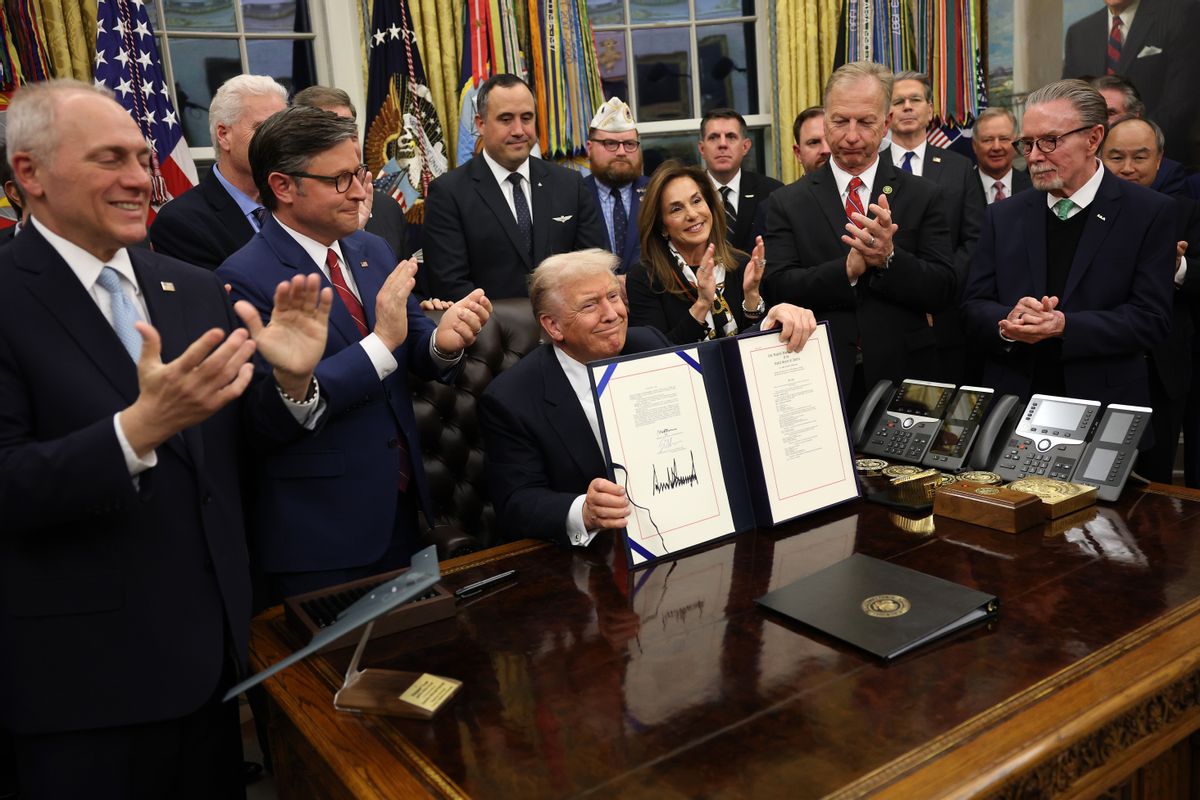
In a move that has sparked controversy across political lines, the U.S. Senate passed significant cuts to food safety regulations as part of the funding bill that ended the government shutdown on November 12, 2025. The legislation, signed into law by President Trump, eliminates or delays enforcement of several Food and Drug Administration (FDA) regulations designed to prevent food contamination and track foodborne illness outbreaks.
The provisions, first reported by investigative news outlet The Lever, target two major areas of food safety: produce handling standards and supply chain traceability requirements. The changes have alarmed food safety advocates while being welcomed by certain agricultural and food industry sectors that viewed the regulations as burdensome.
In the Senate, the measure passed with support from all Republican senators, seven Democrats, and one independent. The House vote reflected similar partisan divisions, with all but two Republicans voting in favor alongside just six Democrats who broke with their party.
The first major provision, outlined in Section 735 of the bill, exempts specific agricultural sectors—hops, wine grapes, almonds, and legumes—from FDA rules established in 2015 that set “science-based minimum standards for the safe growing, harvesting, packing, and holding of produce.” These standards were originally created to minimize “the risk of serious adverse health consequences or death” according to the FDA’s own summary.
The same provision also shields these industries from pending rules that would have updated quality standards for water used in agriculture and farmworker hygiene practices—regulations designed to prevent contamination at the source.
Perhaps more far-reaching is Section 780, which prohibits the FDA from enforcing any food traceability rules until July 2028. This effectively delays implementation of a rule finalized in 2023 that would enhance tracking capabilities during foodborne illness outbreaks. The rule, originally proposed during the first Trump administration in 2020, was intended to help “rapidly and effectively identify recipients of foods to prevent or mitigate foodborne illness outbreaks.”
Beyond simply delaying enforcement, the legislation directs the FDA to work with “regulated entities” to create “additional flexibilities”—essentially requiring the agency to develop looser regulations in collaboration with the very industries it oversees.
Food safety experts have expressed concern that these changes could increase the risk of contamination events going undetected or spreading more widely before being contained. The traceability provisions, in particular, were designed to help quickly identify the source and distribution of contaminated products during outbreaks.
Industry groups that opposed these regulations have argued they created unnecessary financial and administrative burdens without proportionate safety benefits. Various representatives from food industries have spent millions lobbying Congress on these and related issues in recent years.
Speaker of the House Mike Johnson and Senate Majority Leader John Thune did not immediately respond to requests for comment on the rationale behind reducing food safety laws.
While some social media posts have characterized these legislative changes as lawmakers being “paid off” by industry, it’s important to note that lobbying and campaign donations—while potentially influential in policy decisions—are legally distinct from bribery.
The rollback of these food safety measures represents one of the first significant regulatory changes under the new administration and Republican-controlled Congress. Food safety advocates warn that weakening these protections could leave consumers more vulnerable to contamination events, while industry supporters maintain that businesses can maintain safety standards through voluntary measures without what they view as excessive government mandates.
As implementation of the new funding law begins, both the FDA and affected industries will need to navigate this changed regulatory landscape, with consumers potentially facing altered food safety protections for years to come.
Fact Checker
Verify the accuracy of this article using The Disinformation Commission analysis and real-time sources.

18 Comments
Nice to see insider buying—usually a good signal in this space.
Good point. Watching costs and grades closely.
Good point. Watching costs and grades closely.
Interesting update on Senate Passes Government Funding Bill with Food Safety Regulation Cuts. Curious how the grades will trend next quarter.
Good point. Watching costs and grades closely.
I like the balance sheet here—less leverage than peers.
Good point. Watching costs and grades closely.
Good point. Watching costs and grades closely.
Silver leverage is strong here; beta cuts both ways though.
Good point. Watching costs and grades closely.
I like the balance sheet here—less leverage than peers.
Good point. Watching costs and grades closely.
Good point. Watching costs and grades closely.
Silver leverage is strong here; beta cuts both ways though.
Good point. Watching costs and grades closely.
Good point. Watching costs and grades closely.
Nice to see insider buying—usually a good signal in this space.
Good point. Watching costs and grades closely.