


Listen to the article
WASHINGTON (TNND) — The White House says the U.S. is prepared to protect commercial shipping through the Strait of Hormuz, as tensions with Iran intensify.
The Strait of Hormuz represents one of the world’s most critical energy chokepoints. According to the U.S. Energy Information Administration, oil flows through the strait averaged approximately 20 million barrels per day in 2024, accounting for roughly 20% of global petroleum liquids consumption. When security concerns arise in this region, global markets respond swiftly and often dramatically.
In recent days, at least three tankers sustained damage in the Gulf amid escalating conflict, heightening concerns about potential disruptions to energy shipments, Reuters reported. On Tuesday, Brent crude prices settled at $81.40 per barrel, jumping 4.7% as traders factored in increased supply risks.
These oil price movements typically cascade into consumer fuel costs. GasBuddy analysts, including Patrick De Haan, have warned American drivers could experience gasoline price increases of 10–30 cents per gallon in the near term as market instability continues.
The implications of prolonged disruption through the Strait would extend far beyond the Middle East. Most oil transiting Hormuz is destined for Asian markets, with China and India being among the largest recipients. This creates a global vulnerability rather than a regional one.
Despite America’s substantial domestic oil and gas production, U.S. consumers remain exposed to these market fluctuations. The EIA estimates that only about 2% of total U.S. petroleum liquids consumption (approximately 7% of total U.S. crude oil imports) passes through the Strait of Hormuz. However, because energy is traded on a global market, disruptions anywhere affect prices everywhere.
Historically, the Strait has never been completely closed for an extended period in modern times. According to research from the Columbia Center on Global Energy Policy, Iran has repeatedly threatened to disrupt shipping through the waterway, but a complete, prolonged shutdown has never materialized. Even during major regional conflicts, traffic has continued, albeit under heightened risk conditions.
The most significant threat to shipping came during the “Tanker War” of the 1980s amid the Iran-Iraq conflict. While numerous vessels were attacked and damaged during this period, shipping operations never fully ceased.
The international response during that crisis established a template that may be relevant today. In March 1987, the U.S. agreed to transfer Kuwaiti tankers to American registry, and by July of that year, the U.S. Navy launched Operation Earnest Will, providing naval escorts to tankers traversing the Persian Gulf. This strategy prioritized keeping vital shipping lanes open despite elevated threats.
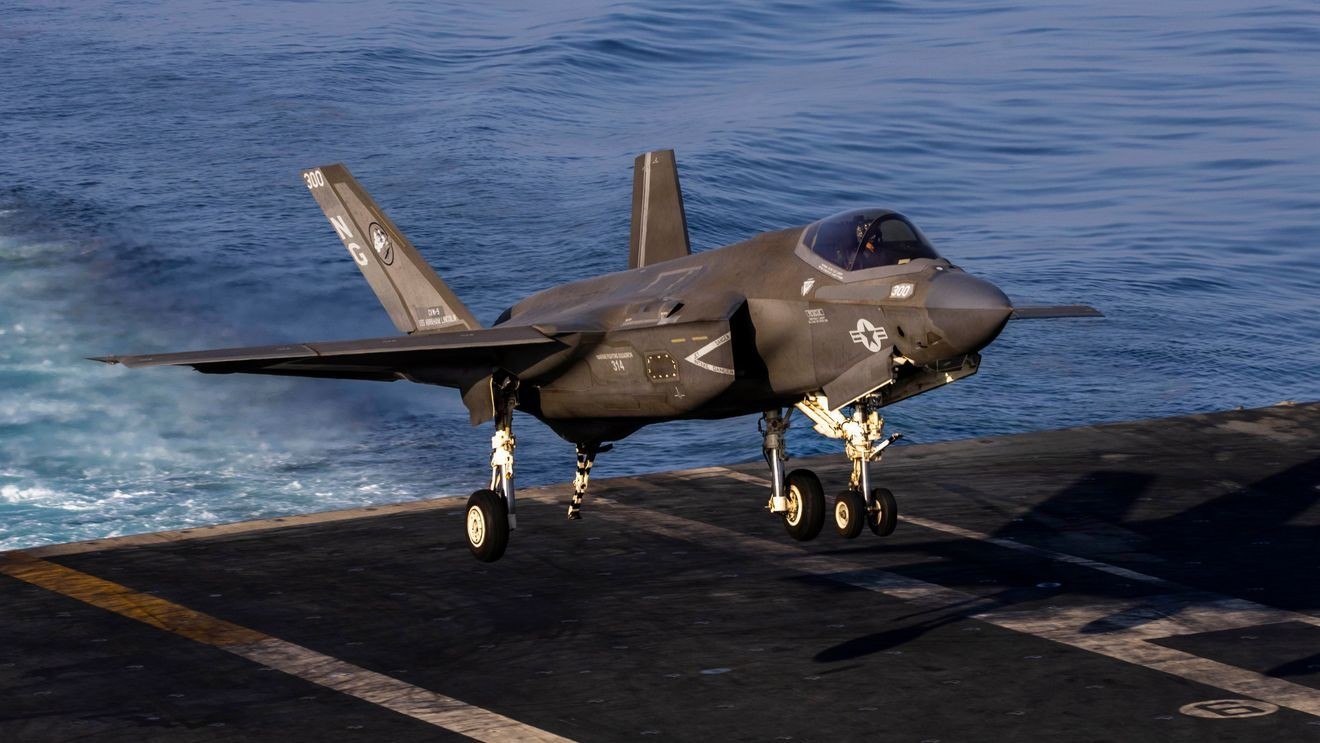
President Trump’s recent statement that the U.S. Navy would escort tankers through the Strait if necessary echoes this historical approach. This commitment is significant because, as the EIA notes, even without a formal closure of the Strait, the mere threat of attacks can substantially increase shipping and insurance costs, tightening global supply and pushing energy prices higher.
The situation highlights the continued importance of the Strait of Hormuz to global energy security despite changes in production patterns and energy markets over recent decades. For American consumers, the developments serve as a reminder that despite the country’s progress toward energy independence, global events still influence domestic prices at the pump.
Energy analysts continue to monitor the situation closely, with particular attention to how shipping companies, insurance providers, and oil traders adjust their operations and pricing strategies in response to the evolving security environment in one of the world’s most consequential maritime passages.
Fact Checker
Verify the accuracy of this article using The Disinformation Commission analysis and real-time sources.

18 Comments
With tensions rising in the region, the US is right to prepare for potential threats to commercial shipping through the Strait of Hormuz. This strategic chokepoint must remain open and secure.
Maintaining the free flow of oil and goods through the Strait is crucial for the global economy. Proactive steps to protect this critical maritime route are prudent and necessary.
The Strait of Hormuz is a vital shipping lane, handling around 20% of global oil supplies. Safeguarding it from potential disruptions is in the interest of the entire global economy.
Agreed. Any prolonged closure or blockade of the Strait would send shockwaves through energy markets and consumer fuel prices worldwide. Careful diplomacy and security measures are required.
Safeguarding the Strait of Hormuz is a critical priority, given its importance to global energy markets and trade. While the diplomatic challenges are complex, the economic implications of any disruptions to shipping through this strategic chokepoint make it an issue that requires a measured, multilateral approach.
Safeguarding the Strait of Hormuz is a complex challenge, but the economic importance of this strategic chokepoint makes it a priority for the US and its allies. I hope diplomacy can ease tensions in the region.
Securing the Strait of Hormuz is crucial for global energy markets and trade. While tensions are concerning, I’m glad to see the US taking steps to protect commercial shipping in this strategic chokepoint.
Absolutely. Disruptions to oil flows through the Strait could have far-reaching economic consequences. Proactive measures to ensure safe passage are prudent.
The Strait of Hormuz is a geopolitical flashpoint, and the potential for disruptions to oil and trade flows is a serious concern. I’m curious to see how the US balances the need for security with the delicate diplomatic challenges in the region.
Absolutely. With roughly 20% of global oil supplies transiting the Strait, even temporary closures or attacks on shipping could have severe economic repercussions. Careful, multilateral coordination will be critical to maintaining the stability and security of this vital maritime chokepoint.
Securing the Strait of Hormuz is a complex geopolitical challenge, but the economic importance of this strategic chokepoint makes it a priority for the US and its allies. I hope diplomatic efforts can ease tensions and ensure the free flow of energy resources and goods through this vital maritime route.
Agreed. Any disruption to shipping through the Strait, even temporarily, could trigger major price volatility and supply chain issues worldwide. Maintaining the security and stability of this critical maritime chokepoint is essential for the global economy.
With the Strait of Hormuz handling such a significant portion of global oil shipments, any disruption to this critical maritime route would have far-reaching consequences. The US must tread carefully as it seeks to protect commercial shipping in the area.
Agreed. Even a temporary closure of the Strait could trigger major price volatility and supply chain issues worldwide. Maintaining the free flow of energy resources and goods through this chokepoint is essential for the global economy.
The Strait of Hormuz is a vital energy and trade chokepoint, handling around 20% of global oil supplies. Ensuring the free and secure passage of commercial shipping through this strategic maritime route is crucial, given the potential economic consequences of any disruptions.
Absolutely. With tensions in the region, proactive measures to protect commercial vessels transiting the Strait are prudent. Careful diplomacy and multilateral cooperation will be essential to navigating this delicate geopolitical situation.
The Strait of Hormuz is a geopolitical flashpoint, and any disruption to shipping could have severe economic consequences. I’m interested to see how the US navigates this delicate situation.
Absolutely. With 20% of global oil supplies transiting the Strait, even a temporary closure could trigger major price spikes and supply chain disruptions worldwide. Careful diplomacy and security measures are essential.