


Listen to the article
Welsh Voters Face Key Decisions on Taxes and Healthcare in Upcoming Election
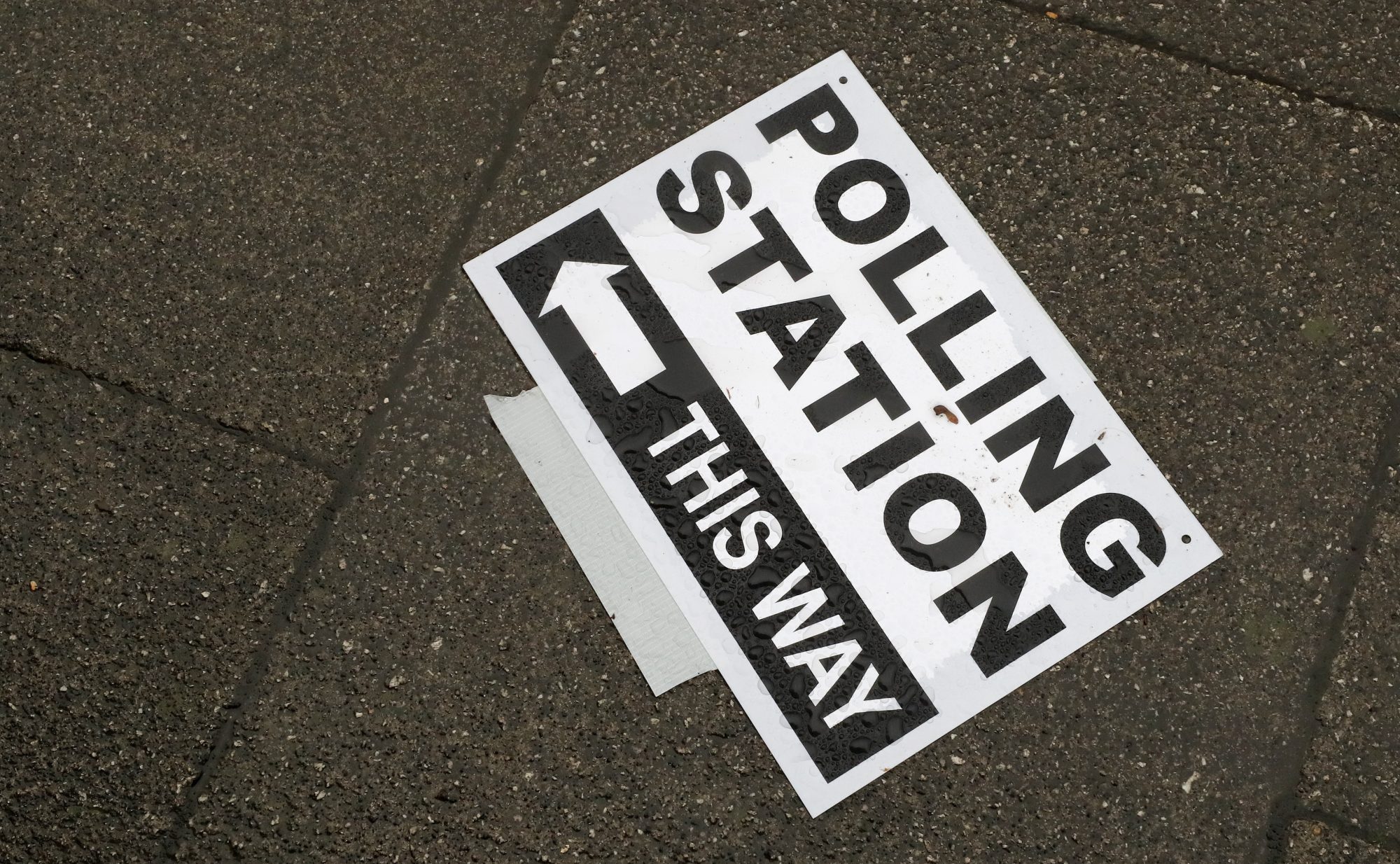
Voters across Wales are preparing to cast their ballots on May 7 to elect members of the Senedd, Wales’s devolved parliament. The election will determine which party or coalition will form the next Welsh government, wielding significant powers over taxation, economic policy, and the National Health Service.
With less than a month until polling day, the major parties have now presented their manifestos, outlining distinctly different visions for Wales’s future. The Institute for Fiscal Studies (IFS), an independent think tank, has analyzed these pledges, raising questions about the fiscal viability of several party platforms.
Welsh Labour, which has governed Wales continuously since devolution began, has committed to freezing income tax rates until 2030. On healthcare, the party promises a £4 billion investment to build “state-of-the-art new hospitals,” including a major development in West Wales. However, the IFS notes that delivering on Labour’s spending ambitions would “almost certainly require cuts to spending on some other services” given current Welsh fiscal constraints. Labour maintains it is “the only party to have published full costings for its manifesto.”
Plaid Cymru, the Welsh nationalist party, pledges to reform council tax and business rates while seeking additional tax powers from Westminster. The party claims to have a “costed and targeted plan to cut waiting lists” in the NHS. Despite these assurances, the IFS suggests Plaid “does not appear to have faced up to the fiscal reality facing the next Welsh Government.” Plaid responded by citing economist Professor Gerald Holtham, who they say confirmed their plans are “detailed, carefully costed and achievable.”
Reform UK’s platform includes a promise to cut income tax by 1p across all bands and implement a 20-point plan for NHS reform. The party also vows not to introduce any new Welsh-controlled taxes and would require local councils to hold referendums for council tax increases exceeding 4.99 percent. The IFS acknowledges that while lower taxes are possible in Wales, they would “likely necessitate cuts in at least some services.”
The Welsh Green Party has proposed replacing council tax with a Land Value Tax, though the IFS notes that “few details are provided on the structure of these taxes.” The Greens’ plans for a “fundamental shift” in healthcare would require “big increases in both investment and day-to-day spending,” which the IFS estimates would cost “hundreds of millions of pounds per year.” The party told FactCheck they have “costed our key manifesto pledges” but would need to “push strongly and urgently for a fair deal from Westminster” to realize their full ambitions.
The Welsh Conservatives promise to cut the basic rate of income tax by 1p and increase health and social care spending in real terms annually. They propose establishing an NHS Wales “Efficiency Taskforce” to improve value for money. The IFS concluded that the Conservatives’ combination of tax cuts and spending increases “could be paid for without significant cutbacks” to some services.
The Welsh Liberal Democrats focus on improving access to capital for small businesses, investing in renewable energy, and creating a dedicated Welsh Industrial Strategy. For healthcare, they promise to “end corridor care” and introduce a guarantee for cancer treatment within 62 days of urgent referral. The IFS noted the party has raised “the possibility of a 1 percentage point increase in income tax rates” to fund social care improvements.
As the campaign enters its final weeks, Welsh voters face a clear choice between competing economic visions, with significant implications for public services, particularly the NHS. The election comes at a challenging time for Wales, with mounting healthcare waiting lists and economic pressures that will test whichever party or coalition emerges victorious.
Fact Checker
Verify the accuracy of this article using The Disinformation Commission analysis and real-time sources.

8 Comments
Interesting to see the IFS raise doubts about the fiscal viability of some party platforms. Voters will need to carefully weigh the tradeoffs and assess which vision they believe is most credible and beneficial for Wales.
Agreed. With so much at stake, Welsh voters will be looking for clear, realistic plans that balance their priorities and the financial constraints. The IFS analysis provides a useful reality check.
Fascinating analysis of the Welsh party manifestos. It will be interesting to see how the voters weigh the different visions and fiscal tradeoffs as they head to the polls. A lot at stake for healthcare and the economy in this election.
Agreed, the fiscal constraints and trade-offs highlighted by the IFS analysis will be a key consideration for Welsh voters. Curious to see if any of the parties can present a fully costed, viable plan.
This election could have significant implications for the future direction of Wales. The party manifestos outline starkly different visions, so voters will need to scrutinize the details and tradeoffs carefully before casting their ballots.
This election will be pivotal for the future direction of healthcare in Wales. The Labour party’s proposed £4 billion investment in new hospitals is ambitious, but the IFS raises valid concerns about funding. Voters will have to weigh the costs and benefits carefully.
You make a good point. Healthcare is a top priority for many Welsh voters, so the parties’ plans and ability to deliver will be heavily scrutinized. Transparency around the fiscal implications will be crucial.
The analysis of the parties’ tax and spending pledges is helpful context for Welsh voters. It will be important to see if any of the manifestos can reconcile their ambitious proposals with the current fiscal realities highlighted by the IFS.