


Listen to the article
In a wave of online misinformation surrounding recent Middle East conflicts, footage purportedly showing U.S. military strikes on Iranian jets has been widely circulated with false context, according to fact-checkers.
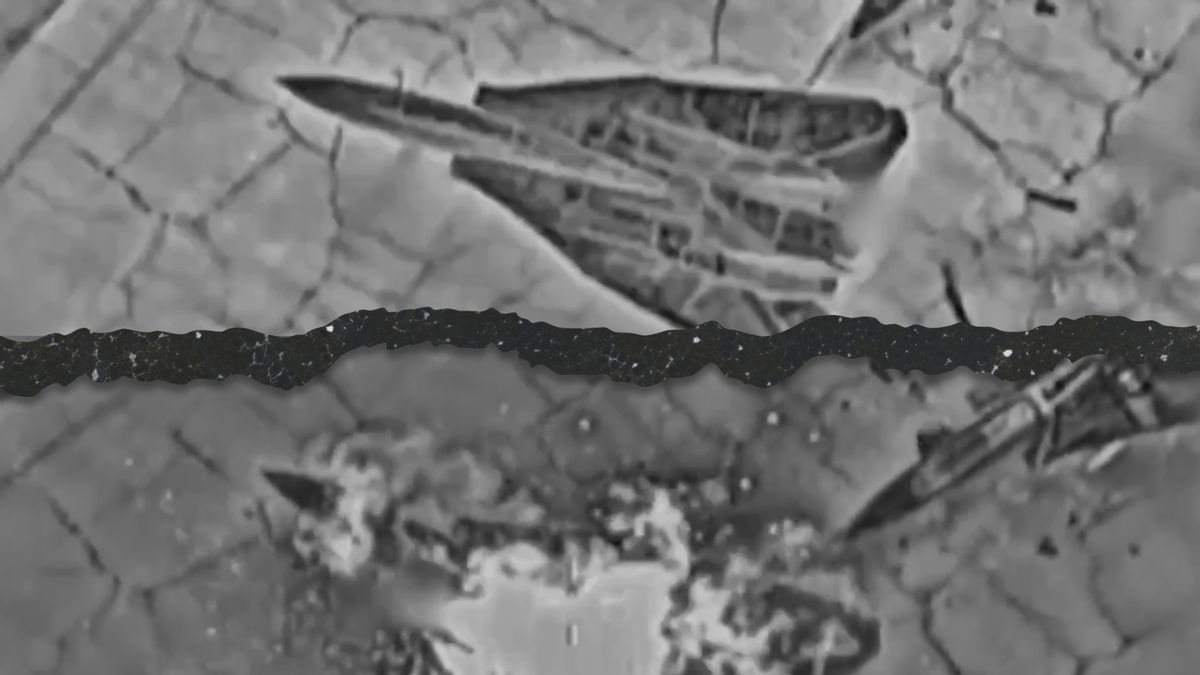
The video, which garnered millions of views across social media platforms in early March 2026, was accompanied by claims that it showed American forces bombing Iranian F-14 fighter jets during recent military operations. One particularly viral post on X, which received over 10 million views, claimed: “The US has been bombing drawings of F-14s this entire time… The Iranians put their jets underground before the war began. Trump thought he destroyed the entire Iranian air force. It’s a literally drawing. I can’t believe it.”
However, an investigation reveals that the footage was significantly misdated and misrepresented. The video was actually published by the Israeli Defense Forces (IDF) in June 2025, nearly nine months before the claimed date, making it impossible to depict the March 2026 U.S. operations in Iran.
The original footage was posted on the IDF’s official X account on June 16, 2025, with a caption describing “Recent Operations Over Tehran,” including a “Strike on two F-14 fighter jets that were located at an airport in Tehran.” The IDF claimed these jets “were intended to intercept Israeli aircraft” and that their operations also “Thwarted a UAV launch attempt toward Israel.”
The recirculation of this outdated footage highlights ongoing challenges with information integrity during international conflicts, where old media is frequently repurposed to fit current narratives or advance particular viewpoints.
Adding to the confusion, X’s artificial intelligence chatbot, Grok, told thousands of users that the video depicted “US/Israeli strikes on painted 2D decoy F-14 silhouettes (static mock-ups) at Tehran’s Mehrabad Airport—not real jets.” This AI-generated interpretation, which was widely shared, further muddied public understanding of the footage. As of this writing, independent verification of whether the jets in the original video were actual aircraft or decoys remains unavailable.
The misinformation emerged against the backdrop of escalating military actions in the region. According to Admiral Brad Cooper, commander of U.S. Central Command, American forces had struck nearly 200 targets in Iran over a 72-hour period in early March 2026, as confirmed during a press conference alongside Secretary of Defense Pete Hegseth on March 5.
This incident demonstrates how military footage can be taken out of context during active conflicts, particularly in the digital age where content is easily shared across borders and platforms without proper verification.
Military analysts note that the use of decoys has historical precedent in modern warfare, with many nations employing such tactics to mislead enemy intelligence and aerial reconnaissance. During conflicts from World War II to more recent engagements, militaries have used everything from inflatable tanks to painted aircraft silhouettes to confuse opposing forces.
For social media users, the episode serves as a reminder of the importance of checking dates, sources, and context before accepting claims about military operations, particularly when accompanied by sensational commentary or during periods of heightened international tensions.
As military operations continue in the region, media literacy experts advise maintaining skepticism toward unverified footage, particularly when it appears during active conflicts when the fog of war can make accurate information especially difficult to obtain.
Fact Checker
Verify the accuracy of this article using The Disinformation Commission analysis and real-time sources.

8 Comments
This is a valuable lesson in the importance of scrutinizing online claims, no matter how compelling the visual evidence may seem. Fact-checking is essential, especially when it comes to military and foreign policy issues with high stakes. I commend the diligence of the investigators.
Well said. Verifying information is crucial, especially on sensitive topics like this. It’s concerning how easily misinformation can spread, even with visuals that appear convincing. Relying on authoritative sources is key.
This is a good reminder to be cautious about online claims, even when they seem plausible. Fact-checking is essential, especially around military and foreign policy topics where the stakes are high. I appreciate the diligent work of the fact-checkers.
Absolutely. Misinformation can be very damaging, especially on sensitive geopolitical issues. It’s crucial that we take the time to verify claims before amplifying or reacting to them.
I’m glad the fact-checkers were able to identify the outdated nature of this footage. It’s a sobering example of how quickly misinformation can spread online, even with visuals that appear convincing. We must remain vigilant and rely on authoritative sources.
Interesting to see this footage come to light. It’s important that we verify claims and don’t spread misinformation, even if the content seems compelling. Fact-checking is crucial, especially on sensitive military and geopolitical issues.
I agree, verifying information is key. It’s concerning how quickly misinformation can spread online, even with visually compelling footage. We need to be vigilant and rely on authoritative sources.
It’s disheartening to see the spread of misinformation, even with visually striking footage. This underscores the importance of rigorous fact-checking, particularly on high-stakes military and geopolitical issues. I’m glad the investigators were able to uncover the truth behind this claim.