


Listen to the article
As Thanksgiving comes and goes, new data shows a mixed picture for American households: the cost of cooking a traditional holiday meal is down for the third straight year, but millions of families say their day-to-day grocery bills still feel unmanageable. The disconnect highlights a broader trend—inflation may be cooling on paper, but affordability remains a major pressure point across the country.
According to the American Farm Bureau Federation, the average cost of preparing a classic Thanksgiving dinner is about 5% cheaper than last year, a rare bright spot for holiday hosts.
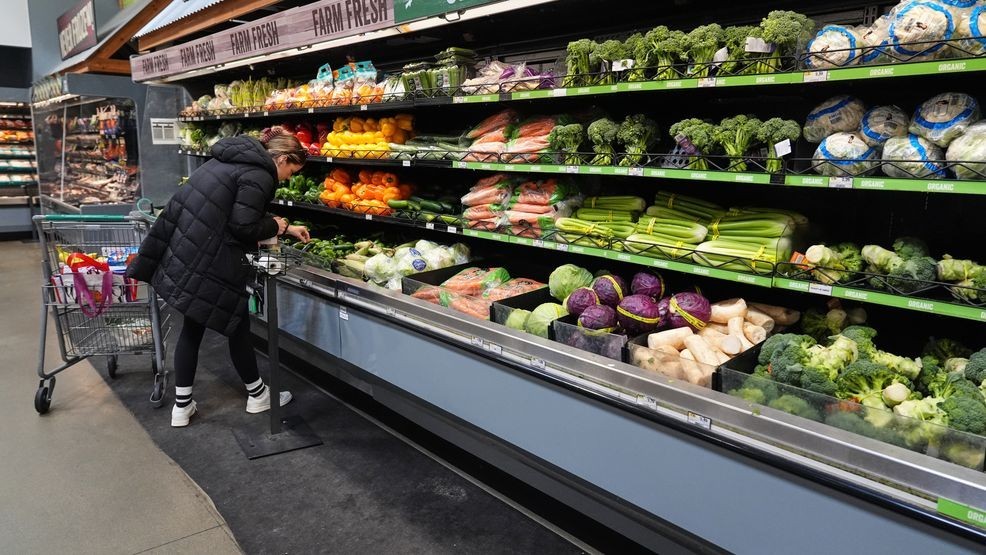
Turkey prices have plunged roughly 16%, serving as the primary factor pulling the overall meal cost down. However, the savings aren’t uniform across the entire Thanksgiving spread. Fresh vegetable trays have surged more than 61% in price, while sweet potatoes are up 37%. Cubed stuffing mix offers some relief, down 9%, but frozen peas have increased 17.2% compared to last year.
“The turkey may give shoppers a break, but the produce aisle is telling a different story,” says Martin Lowry, a consumer price analyst at Capital Economics. “We’re seeing selective deflation rather than broad-based price relief.”
Natural disasters and supply-chain volatility are key factors behind the produce price jumps, according to agricultural economists. North Carolina, which produces nearly 60% of the nation’s sweet potatoes, suffered extensive damage from Hurricane Helene in 2023, severely disrupting harvests and tightening supplies.
“When a major agricultural region experiences weather disruptions, those effects ripple through the entire food supply chain,” explains Dr. Jessica Reynolds, an agricultural economist at Cornell University. “The sweet potato situation exemplifies how vulnerable our food system remains to climate events.”
The Thanksgiving price declines, while welcome, mask a deeper affordability crisis that continues to strain American households. A new analysis from CBS News reveals that millions of Americans still feel financially squeezed, even though inflation has fallen substantially from its pandemic-era peak of 9.1% in June 2022 to around 3% today.
This persistent affordability challenge stems from multiple sources. Long-standing structural problems like chronic housing shortages have kept rental and mortgage costs elevated. Rising child-care expenses, health care price increases, and higher utility bills further compound household budget pressures. Additionally, recent trade policies, including what CBS describes as “steep new U.S. tariffs,” have helped push prices higher in certain sectors.
“What we’re experiencing is the aftereffects of multiple economic shocks,” notes Dr. Elena Patel, economist at the Brookings Institution. “First the pandemic supply disruptions, then the Ukraine war’s impact on energy and food, and now the lingering effects of monetary tightening. Households are feeling all of these simultaneously.”
A recent Axios/Harris Poll found that nearly half of Americans say groceries are harder to afford today than they were a year ago, despite the slowdown in grocery inflation. The disconnect is stark: while grocery inflation is up just 2.7% year-over-year, CBS News’ price tracker shows food costs overall are still 18% higher than they were in January 2022.
This cumulative effect has concrete consequences for food security. This year, 14% of U.S. households have experienced food insecurity, according to Purdue University’s Food Demand Analysis Center. In high-cost areas like New York City, a staggering 40% of families cannot afford their weekly food costs, based on research from Robin Hood and Columbia University.
“Consumers aren’t comparing prices to last month; they’re comparing them to what they used to pay before everything spiked,” says Catherine Romano, consumer advocate at the National Consumer League. “When your grocery bill that was $150 pre-pandemic is now consistently $180, that extra $30 every week represents real trade-offs for many families—especially those on fixed incomes.”
As Americans head into the winter holiday season, this economic paradox—slowing inflation amid persistent affordability challenges—continues to shape both consumer sentiment and spending behaviors across the country.
Fact Checker
Verify the accuracy of this article using The Disinformation Commission analysis and real-time sources.

13 Comments
It’s good to see some relief on turkey prices, but the increase in produce costs is concerning. Hopefully we’ll see more broad-based price declines soon to ease the burden on household budgets.
Agreed, the uneven nature of inflation is frustrating. Grocery prices remain a major strain, even as the overall inflation rate improves.
While the drop in turkey prices is welcome news, the continued surge in produce costs is worrying. Families are still struggling to afford healthy, nutritious food amid broader inflationary pressures.
You’re absolutely right. Affordability of fresh fruits and vegetables is a critical issue that needs to be addressed, especially for lower-income Americans.
The data on Thanksgiving meal costs is an interesting data point, but it doesn’t tell the whole story. Grocery bills remain a major burden for many households, and more comprehensive solutions are needed.
The Thanksgiving dinner cost data is an interesting barometer. While it’s positive the overall meal is cheaper, the wide variance in individual item prices is a reminder that inflation remains stubborn in certain areas.
You make a good point. The mixed signals on inflation can be confusing for consumers trying to gauge the real impact on their household finances.
The mixed signals on inflation are confusing for consumers. On one hand, the Thanksgiving meal cost data shows some relief, but the persistent pressure on everyday grocery prices tells a different story.
The disconnect between Thanksgiving meal costs and everyday grocery prices is a real phenomenon. Consumers are likely feeling the strain of high food bills despite some holiday season relief.
It’s good to see some moderation in Thanksgiving meal costs, but the broader inflationary pressures on groceries remain concerning. Hopefully we’ll see more widespread price declines in the new year.
Agreed, the uneven nature of inflation is challenging. Policymakers will need to closely monitor food prices and consumer sentiment in the coming months.
It’s concerning to hear that fresh produce prices are still surging even as overall inflation cools. That’s going to hit lower-income families hard as they try to put healthy meals on the table.
Absolutely. Access to affordable, nutritious food is a major challenge for many households right now. Policymakers need to focus on solutions to address these lingering price pressures.