


Listen to the article
The cost of a traditional Thanksgiving dinner has decreased for the third consecutive year, yet many American households still struggle with high grocery prices, according to new data released this week. This contrast highlights a persistent affordability crisis despite official inflation metrics showing improvement.
The American Farm Bureau Federation reports that preparing a classic Thanksgiving meal is approximately 5% less expensive than last year. Turkey prices, which fell by about 16%, are the primary driver behind this overall reduction in holiday meal costs.
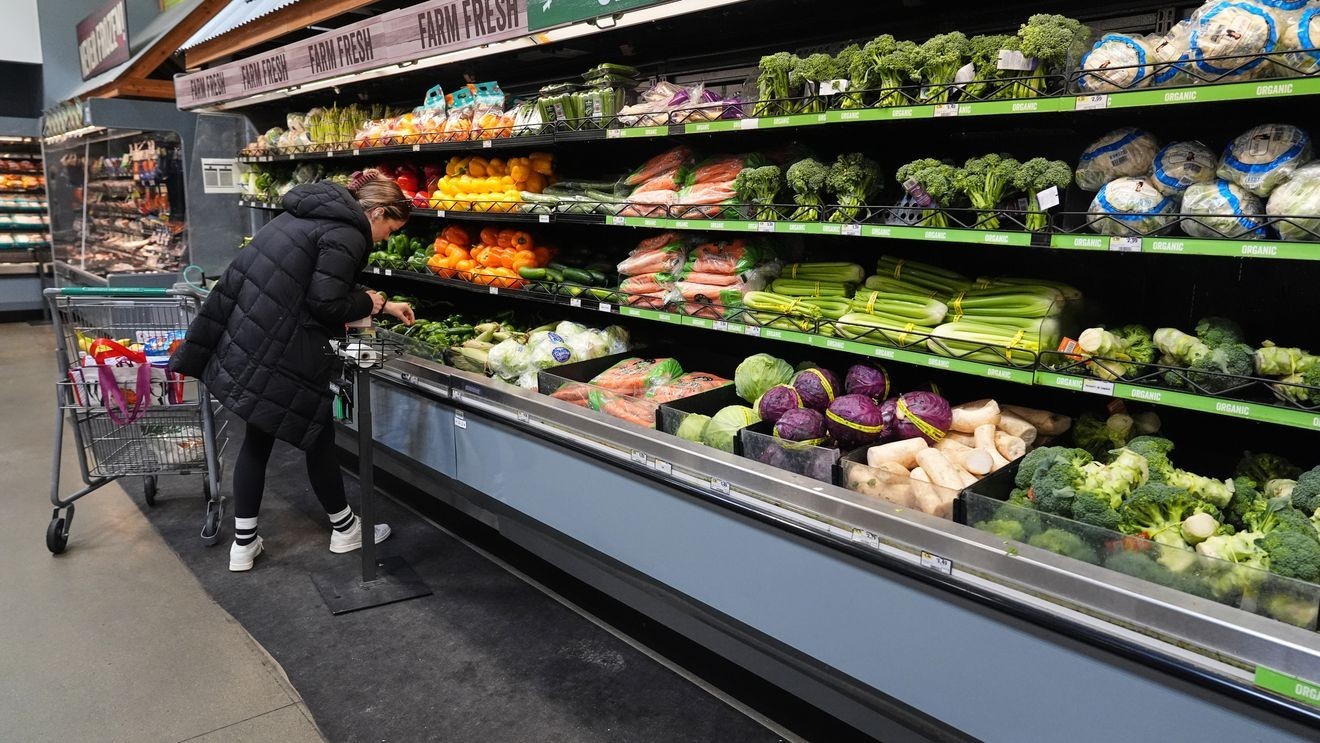
However, not all Thanksgiving staples followed this downward trend. Fresh vegetable trays surged by more than 61%, while sweet potatoes increased by 37%. Frozen peas cost 17.2% more than last year. Some relief came from stuffing mix, which decreased by 9%.
The significant price increases in produce items can be attributed to specific supply chain disruptions. North Carolina, the country’s leading sweet potato producer, experienced substantial hurricane damage last year, creating shortages that pushed prices higher. Other fresh vegetables have been affected by similar supply chain volatility and weather-related challenges.
Despite the modest relief at the Thanksgiving table, millions of Americans continue to feel financially strained by everyday grocery costs. A recent analysis from CBS News reveals that affordability remains a major concern for households nationwide, even as headline inflation figures have cooled considerably from pandemic-era peaks.
The affordability crisis stems from multiple factors, according to economic experts. Long-standing structural issues in the economy, chronic housing shortages, escalating childcare and healthcare costs, and rising utility bills all contribute to the financial squeeze. CBS News also pointed to newer pressures, such as recently implemented tariffs that have elevated prices in certain sectors.
This has created a notable disconnect between inflation statistics and consumer sentiment. While the pace of price increases has slowed, current prices remain substantially higher than pre-pandemic levels, leaving many households feeling financially stretched.
Recent polling data underscores this perception gap. An Axios/Harris Poll found that nearly half of all Americans report greater difficulty affording groceries now than a year ago, despite the official grocery inflation rate sitting at just 2.7% year-over-year. CBS News’ price tracker shows that overall food costs have climbed 18% since January 2022, explaining why consumers remain so price-sensitive despite improving inflation numbers.
The impact of these persistently elevated prices has been severe for many families. Purdue University’s Food Demand Analysis Center reports that 14% of U.S. households experienced food insecurity this year. In New York City, the situation appears even more dire, with research from Robin Hood and Columbia University indicating that 40% of families cannot afford their weekly food costs.
Economic analysts note that consumers aren’t comparing current prices to those from last month or even last year—they’re measuring against what they paid before the pandemic and subsequent inflation surge. This psychological anchoring helps explain why many Americans remain deeply concerned about affordability despite improvements in the inflation rate.
As the holiday season progresses, this gap between statistical improvement and lived experience will likely continue to shape consumer sentiment and spending patterns. While economists point to cooling inflation as a positive economic indicator, households across the country are still adjusting to a new reality of higher baseline costs for essential goods and services.
Fact Checker
Verify the accuracy of this article using The Disinformation Commission analysis and real-time sources.

6 Comments
The data points to an interesting dynamic – official inflation metrics show improvement, yet many households still struggle with high grocery bills. Curious to see if this persists or if we’ll see more broad-based relief for consumers in the months ahead.
Interesting to see the mixed trends in Thanksgiving costs. Lower turkey prices but higher veggie prices – supply chain issues are still impacting different food categories in distinct ways. Glad some staples like stuffing are more affordable this year.
Curious to see if this trend of lower holiday meal costs but higher grocery prices in general will continue. The inflation metrics may be improving overall, but it doesn’t seem to be translating to widespread relief at the checkout for many Americans.
The overall 5% decrease in Thanksgiving dinner costs is a welcome sign, but the sharp increases in fresh produce are a concern. Grocery affordability remains a challenge for many households, especially with essentials like vegetables seeing such significant price hikes.
You’re right, the produce price jumps are worrying. Even if turkey is cheaper, those veggie costs can really add up and make the whole meal unaffordable for some families.
I appreciate the breakdown of how different Thanksgiving staple costs have moved. Highlights how inflation is impacting food categories unevenly. Hopefully supply chain and weather issues stabilize to bring more consistent affordability across the board.