


Listen to the article
Iranian Ambassador Denies Reports of Indian Citizens’ Arrests Amid Escalating Protests
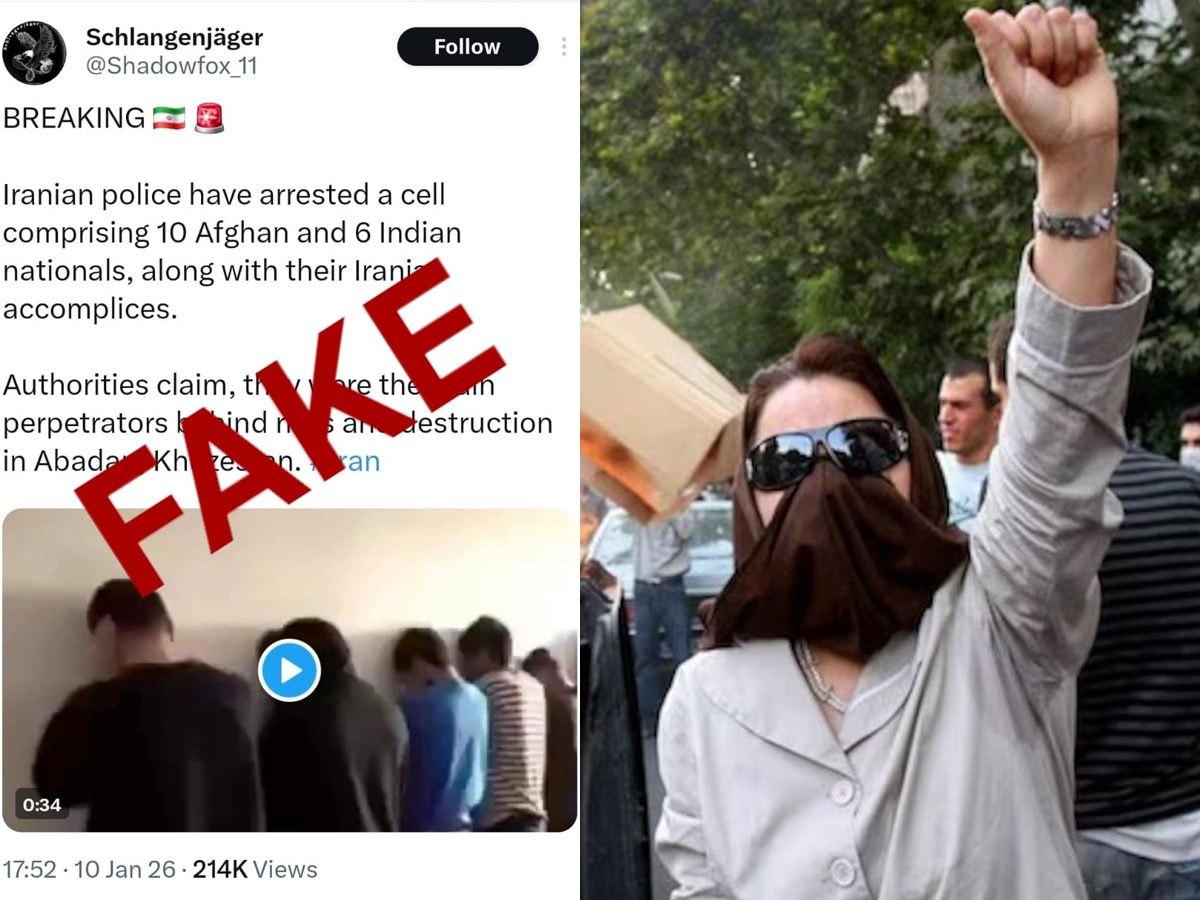
Iran’s ambassador to India, Mohammad Fathali, has firmly rejected reports circulating on social media claiming that six Indian nationals were arrested during ongoing anti-government protests in Iran. The ambassador took to social media platform X to dismiss the claims as “totally false” and urged the public to rely on information from credible sources.
“The news circulated on some foreign X accounts about Iran’s developments is totally false. I request all interested people to get their news from the reliable sources,” Fathali stated in his post.
Iranian authorities have not confirmed the detention of any Indian citizens in connection with the protests. Officials note that the rapid spread of misinformation has been exacerbated by the communication blackout imposed across much of the country during the unrest.
The protests, which began on December 28, were initially triggered by economic grievances including rising inflation and the collapse of the Iranian rial. What started as demonstrations focused on economic concerns quickly evolved into broader challenges to Iran’s Islamic leadership, including Supreme Leader Seyyed Ali Hosseini Khamenei.
Large crowds have taken to the streets in major cities including Tehran, Mashhad, and Kerman, with protesters voicing their frustrations over what they perceive as government corruption, economic mismanagement, and the suppression of political dissent.
The government response has been severe. Human rights organizations estimate at least 544 people have been killed in the crackdown, though actual numbers may be higher. Reports indicate more than 10,600 individuals have been detained over the past two weeks alone.
While activists assert that most casualties have been protesters, several members of Iranian security forces have also died in the clashes. The Iranian government has not released official nationwide casualty figures but has acknowledged the deaths of security personnel across multiple provinces.
State television has broadcast funerals of security force members and shown images from morgues, with officials characterizing many protesters as violent rioters rather than peaceful demonstrators.
Complicating efforts to verify developments on the ground, Iranian authorities have implemented widespread internet and phone shutdowns across much of the country. Despite these restrictions, some footage has emerged via satellite connections showing nighttime gatherings where protesters wave mobile phone lights and confront security forces.
Videos reportedly from northern Tehran’s Punak neighborhood show streets blocked by authorities as demonstrators bang metal objects, with fireworks illuminating the night sky. Similar scenes have been reported from other major cities including Mashhad.
Critics warn that the information blackout may embolden hardline elements within the security apparatus to intensify their crackdown without fear of international scrutiny or documentation.
The political rhetoric within Iran has hardened as the protests persist. Ali Larijani, a senior security figure, has accused some demonstrators of violent behavior comparable to extremist groups. Even President Masoud Pezeshkian, generally viewed as a more moderate, reformist voice in Iranian politics, has taken a firm stance.
“People have concerns; we should sit with them, and if it is our duty, we should resolve their concerns,” Pezeshkian acknowledged. “But the higher duty is not to allow a group of rioters to come and destroy the entire society.”
Meanwhile, Reza Pahlavi, son of Iran’s former Shah who was overthrown in the 1979 Islamic Revolution, has urged security forces to side with the protesters rather than the government.
As protests continue and tensions remain high, the difficulty in obtaining reliable information from within Iran presents a significant challenge for international observers attempting to monitor the situation.
Fact Checker
Verify the accuracy of this article using The Disinformation Commission analysis and real-time sources.

10 Comments
The protests in Iran appear to be evolving beyond just economic concerns. Verifying details about foreign nationals involved will be critical to avoid further escalation of tensions.
The rapid spread of misinformation is a real challenge, especially when communication channels are restricted. Relying on official sources, as the Indian government is doing, is the wisest approach.
It’s good to see the Indian government taking a proactive stance in refuting unsubstantiated reports about its citizens. Maintaining transparent communication is crucial during complex geopolitical events.
The economic factors driving the initial protests in Iran are concerning. It’s crucial that any reports of foreign nationals being detained are properly investigated and confirmed by credible authorities.
Absolutely. Unverified claims can escalate tensions unnecessarily. Prudent diplomacy and a focus on facts will be key as this situation continues to unfold.
It’s good to see the Indian government refuting these unsubstantiated reports. Maintaining accurate information is crucial during times of unrest and protest. Relying on credible official sources is the best approach.
Agreed. Spreading misinformation, even unintentionally, can exacerbate an already volatile situation. Fact-checking and transparency from authorities are essential.
Dismissing false claims and directing the public to credible sources is the right move by the Indian government. Maintaining factual accuracy is essential during fluid situations like this.
The communication blackout in Iran is certainly complicating efforts to verify details around the protests. It’s understandable the Indian government would want to clarify the status of its citizens there.
Yes, the lack of reliable information makes it difficult to separate fact from fiction. Maintaining diplomatic channels and open communication is important during these times.