


Listen to the article
India Debunks Fake MEA Letter Claiming Request for Imran Khan’s Transfer
A fabricated letter circulating on social media falsely claimed that India had requested Pakistan to transfer former Prime Minister Imran Khan to Indian custody “as a political prisoner.” India’s Press Information Bureau (PIB) has categorically dismissed the document as completely fake and part of a deliberate disinformation campaign.
The fraudulent letter, designed to mimic an official diplomatic communication, was supposedly sent from the Joint Secretary of India’s Ministry of External Affairs’ Pakistan-Afghanistan-Iran division to Pakistan’s Foreign Secretary. The document contained elaborate details, including claims that Indian “assessment units” had identified security risks to Khan in Pakistani detention and drew parallels to Bangladesh’s Sheikh Hasina.
“This letter is fake. The claims being made in this letter are false, baseless, and part of an ongoing disinformation campaign being pushed by Pakistan against India,” the PIB Fact Check division stated in an official post on X (formerly Twitter). The agency warned people to avoid sharing unverified content and to rely only on official government sources.
The PIB noted that “several Pakistani propaganda accounts” were responsible for disseminating the fraudulent document, which was crafted to appear like a classified government communication that had been leaked. The fake letter suggested India was concerned about Khan’s “personal security and physical well-being” while in detention.
This is not an isolated incident of misinformation targeting Indian institutions. Previously, the PIB had identified other instances of Pakistan-linked propaganda, including a morphed letter falsely attributed to Air Chief Marshal AP Singh that purported to show him praising Pakistan’s military capabilities.
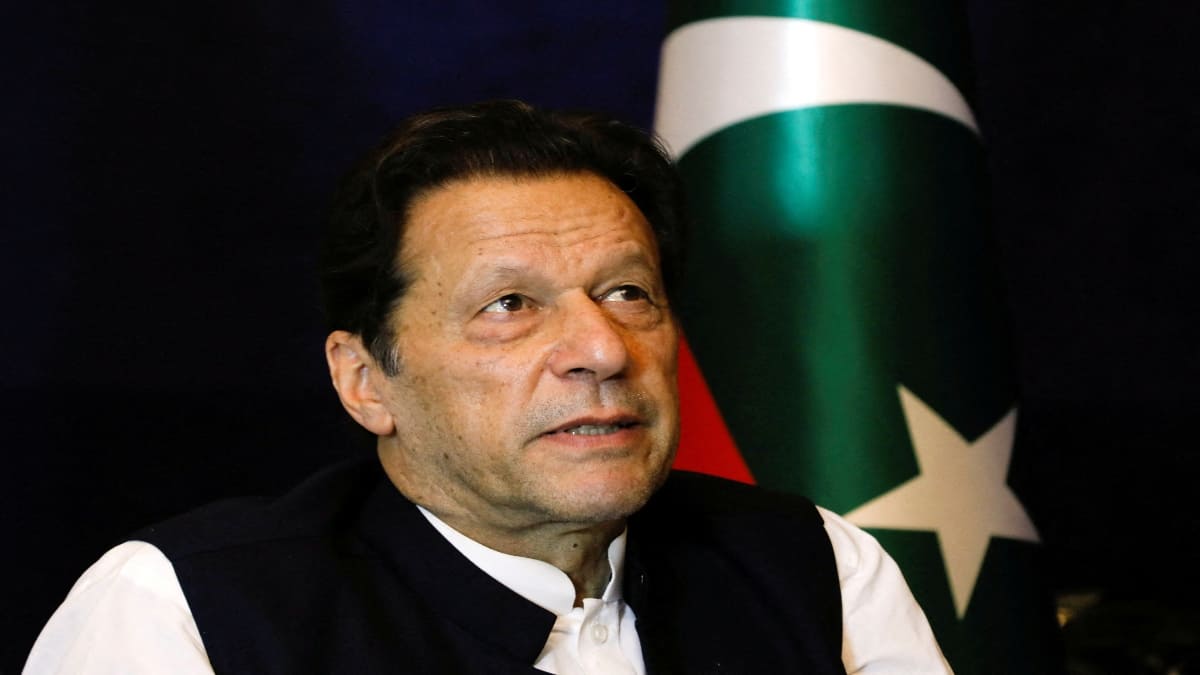
The timing of this fabricated letter coincides with growing speculation about Imran Khan’s health and wellbeing within Pakistan. The 73-year-old former cricket star and politician has been imprisoned since August 2023 and is currently serving a 14-year sentence on corruption charges.
Concerns intensified recently when Khan’s son, Kasim Khan, took to social media expressing alarm over the family’s lack of access to the former prime minister. “My father has been under arrest for 845 days,” Kasim wrote. “For the past six weeks, he has been kept in solitary confinement in a death cell with zero transparency.”
Kasim claimed that family members, including Khan’s sisters, were being denied visitation rights despite court orders permitting them. “No phone calls, no meetings, and no news of his well-being. My brother and I have not been able to contact our father in any way,” he added.
The situation became more volatile when unverified social media posts alleged Khan had died in custody – claims that Pakistani authorities have firmly denied. Rana Sanaullah, an adviser to Pakistan’s prime minister on political affairs, told ARY News that Khan was “fine” and receiving regular medical supervision. “There is a team of doctors that checks him on a weekly and daily basis,” Sanaullah stated, adding that Khan’s medication, dietary needs, and exercise requirements were being properly addressed.
Officials at Adiala Jail, where Khan is detained, have also rejected rumors about his death and maintain that he remains in good health.
The fake MEA letter appears designed to exploit this politically sensitive situation, potentially to inflame tensions between the two neighboring nuclear powers. The spread of such misinformation highlights the ongoing information warfare challenges in the region, where social media can rapidly amplify false narratives across borders.
The PIB’s swift action to identify and debunk the fake letter underscores India’s efforts to counter disinformation that could affect diplomatic relations or create unnecessary public concern. Experts point out that such deliberate misinformation campaigns have become increasingly sophisticated, requiring vigilant fact-checking mechanisms and public awareness.
Fact Checker
Verify the accuracy of this article using The Disinformation Commission analysis and real-time sources.

9 Comments
The Indian government’s dismissal of this document as completely fake is a good reminder to be cautious about unverified claims, especially when they involve sensitive diplomatic matters. Transparency is key.
While the situation with Imran Khan is certainly complex, this appears to be an attempt to further inflame tensions through the use of fabricated documents. Fact-checking is essential in these cases.
This seems to be a classic case of disinformation and the fabrication of official-looking documents. The Indian government’s prompt rejection of the claims is a good example of combating the spread of false narratives.
While the situation with Imran Khan is certainly politically charged, India appears to have swiftly denied any involvement in this alleged request for his custody. Maintaining transparency is key.
It’s concerning to see such blatant attempts to spread misinformation, even when it comes to sensitive diplomatic matters. Relying on verified official sources is crucial in these situations.
Absolutely. The Indian government’s swift and clear denial of the claims helps to counter the disinformation campaign and maintain transparency around this issue.
Interesting development, though the Indian government has clearly refuted this claim as completely false. I wonder what the motivations are behind this alleged disinformation campaign.
Yes, the PIB’s official dismissal of the document as fake suggests this is likely an attempt to spread misinformation. Fact-checking is crucial in these situations.
This seems to be a case of disinformation and fabricated documents being circulated. It’s important to rely on official government sources when it comes to sensitive diplomatic matters like this.