


Listen to the article
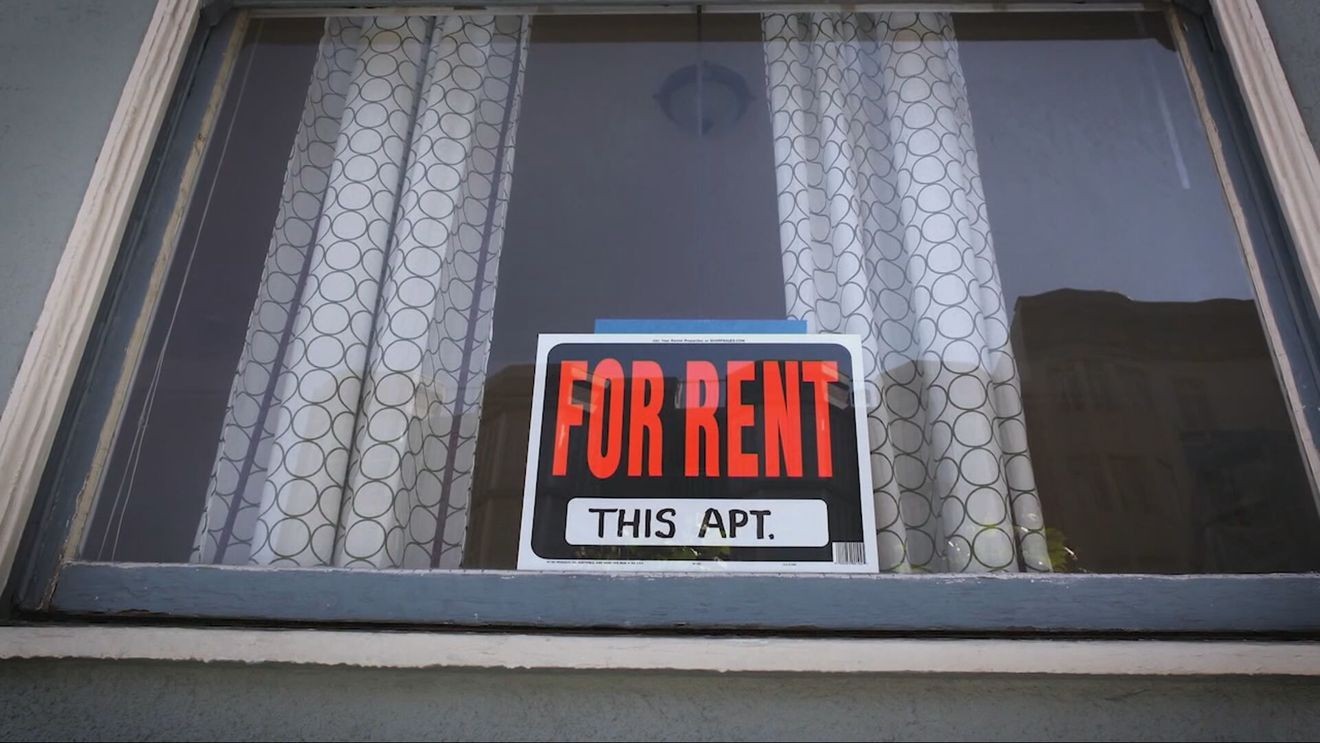
The average rent in the United States has reached approximately $2,000 per month, according to Zillow data, representing a dramatic 36% increase over just five years. A newly released report from the U.S. Department of Housing and Urban Development (HUD) suggests that increased immigration during the Biden administration has significantly contributed to this surge in housing demand, particularly in the rental sector.
The findings, detailed in HUD’s “Worst Case Housing Needs 2025 Report to Congress,” draw on comprehensive data from the 2023 American Housing Survey. According to the report, the U.S. foreign-born population grew by roughly six million people between 2021 and 2024, which HUD characterizes as the largest population increase over such a compressed timeframe in American history.
This population growth has created substantial pressure on housing markets nationwide. HUD estimates that immigration accounted for up to 100% of housing demand growth in certain regions and approximately two-thirds of overall rental demand growth across the country during this period. While the analysis encompasses all immigrants, not just undocumented ones, it comes as the Pew Research Center estimates the undocumented population reached about 14 million people in 2023.
The impact of immigration on housing markets varies significantly by region. California and New York have experienced particularly pronounced effects, according to HUD’s analysis. The data shows a remarkable acceleration in household formation among non-citizens. From 2015 to 2019, non-citizen households increased by approximately 7%, but from 2019 to 2023, that growth rate nearly doubled to 13%, creating additional demand pressure during a period when housing supply was already constrained.
However, housing analysts who spoke with NPR caution against viewing immigration as the primary cause of the current housing crisis. Many experts emphasize that today’s shortage results from long-term structural issues that have been developing for years.
Analysis from Bankrate traces the roots of the current housing shortage to the aftermath of the Great Recession of 2007-2008. When the housing market collapsed, construction activity plummeted as builders went bankrupt and financing became scarce. Crucially, the industry never fully returned to pre-recession building levels, according to Federal Reserve data from St. Louis.
Housing market health is typically measured by months of available supply, with five to six months considered balanced. Currently, the U.S. market has approximately 3.5 months of supply. While this represents an improvement from pandemic-era lows, it remains significantly below what economists consider healthy market conditions.
In this context, critics argue that recent immigration patterns have exacerbated an already problematic situation rather than created it. NPR’s reporting supports this view, noting that while undocumented migrants typically increase rental demand, they’re entering a market already constrained by decades of underbuilding, restrictive zoning regulations, persistent labor shortages, and escalating construction costs.
The situation is further complicated by the growing role of institutional investors in residential real estate. According to Realtor.com, investor buyers accounted for 14.8% of all home purchases in the first quarter of 2024—the highest share recorded since the company began tracking this metric.
Many investor-purchased properties are converted to rentals or quickly resold, reducing the inventory available to individual buyers and maintaining upward pressure on rental rates. This dynamic creates a market where potential homeowners face increasingly limited options, rental supply continues to tighten, and both home prices and rents climb steadily higher.
The HUD report intensifies an already contentious debate about housing affordability in America. While the data clearly shows that immigration, including undocumented migration, has substantially increased housing demand, particularly in the rental market, many economists and housing advocates counter that these demand pressures would be far less disruptive if the United States had maintained adequate homebuilding activity over the past 15 years.
Fact Checker
Verify the accuracy of this article using The Disinformation Commission analysis and real-time sources.

14 Comments
This is an important issue that deserves close examination. I’ll be interested to see how the findings in this report are received and if they spur further scrutiny and debate around housing and immigration policies.
Agreed, this topic is sure to generate significant discussion. Careful analysis from diverse perspectives will be crucial.
Interesting analysis on the impact of immigration on rental costs. It’s a complex issue with economic and demographic factors to consider. I’d be curious to see more details on the methodology and data sources used in this study.
Agreed, a comprehensive look at all the factors at play would be helpful to fully understand the dynamics here.
While the report highlights immigration’s influence on rental demand, housing affordability is influenced by many factors. I hope further research can provide a more holistic view to guide effective solutions.
Well said. A comprehensive approach accounting for the full range of economic and demographic drivers will be key.
The surge in rental costs is concerning, and if immigration is a major driver, that’s an important factor to consider. However, I’d want to see more details on the data and analysis before drawing firm conclusions.
Good point. It’s always wise to scrutinize the evidence and methodology behind these types of studies on complex socioeconomic issues.
The connection between immigration and rising rental costs is certainly thought-provoking. However, I would want to see additional data and analysis before drawing any firm conclusions. Housing affordability is a complex challenge with many factors at play.
Good point. It’s wise to withhold judgment until a more complete picture emerges from rigorous, unbiased research on this issue.
This report highlights the significant strain increased immigration has put on the U.S. housing market, especially the rental sector. While immigration has benefits, policymakers will need to carefully manage housing supply and demand going forward.
Yes, balancing housing needs with immigration policy is a delicate challenge. It will be important to find sustainable solutions that address affordability concerns.
The findings on immigration’s contribution to rising rental costs are thought-provoking. It will be crucial for policymakers to carefully weigh the economic and social impacts as they manage both housing and immigration policies.
Absolutely. Balancing the various priorities and tradeoffs will require nuanced, evidence-based policymaking.