


Listen to the article
Viral Video of Floating Plastic Waste Misidentified as Asian Shoreline
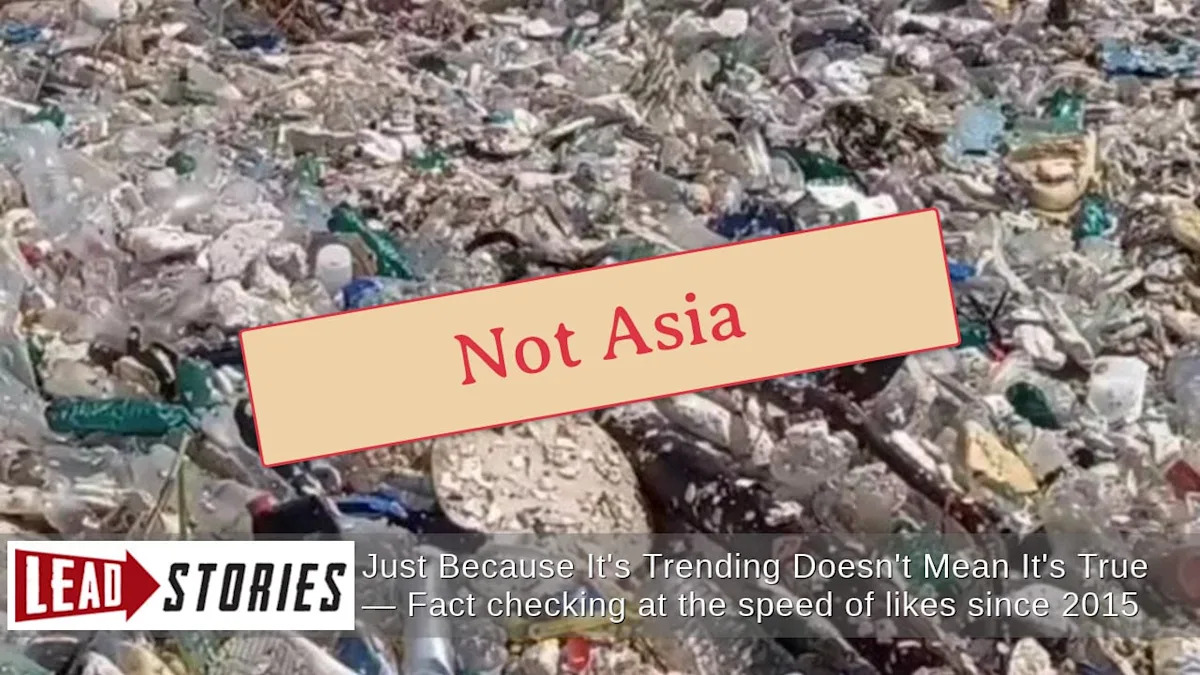
A widely circulated video showing a shocking mass of floating plastic waste has been incorrectly attributed to an Asian location. The footage, which depicts an enormous tide of garbage flowing into the sea, actually shows pollution from Guatemala’s Rio Motagua entering the Caribbean Sea in Central America.
The misattribution gained traction after the social media account @RadioGenoa shared the video on November 11 with the caption “This is Asia. Where is Greta?” – an apparent reference to climate activist Greta Thunberg. This false geographical claim has since spread across social media platforms, misleading thousands of viewers about the origin of the environmental disaster.
CBS News originally shared the same footage in June 2022, correctly identifying it as showing “mounds of plastic waste lapped onto the Caribbean shores of Guatemala from the Rio Motagua.” The American news outlet noted that environmental experts consider Rio Motagua one of the most polluted rivers in the world.
Environmental monitoring organizations have documented the severe pollution problems plaguing the Rio Motagua watershed. The river stretches approximately 486 kilometers through Guatemala, collecting massive amounts of plastic and other waste along its journey to the Caribbean Sea. A significant portion of this pollution originates in Guatemala City, the country’s capital and largest urban center, where waste management infrastructure struggles to cope with the population’s needs.
The misattribution of the video highlights a common problem in environmental discourse: the tendency to associate severe pollution exclusively with Asian countries while overlooking similar issues in other regions. While parts of Asia do face significant waste management challenges, particularly with plastic pollution, environmental degradation occurs globally.
Guatemala’s waste management crisis illustrates how middle-income nations throughout Latin America face serious environmental challenges. Limited waste collection infrastructure, inadequate recycling facilities, and growing consumption of single-use plastics have created similar scenes of environmental devastation throughout the region.
The Rio Motagua pollution represents a transboundary environmental problem, as the waste eventually reaches Honduras and affects Caribbean marine ecosystems. Local environmental organizations have been working to address the issue through cleanup efforts, education campaigns, and advocacy for improved waste management policies.
International attention to such environmental crises, regardless of location, is critical for generating the political will and resources needed to implement solutions. Accurate identification of pollution sources helps target interventions appropriately and avoids reinforcing geographic stereotypes about environmental problems.
This case demonstrates the importance of verifying information before sharing content on social media. Visual evidence of environmental degradation is powerful, but when misattributed, it can misdirect public concern and potentially undermine targeted cleanup and prevention efforts where they’re most needed.
The Rio Motagua situation represents just one example of the global plastic waste crisis that affects waterways on every continent. According to environmental researchers, an estimated 8 million metric tons of plastic waste enters the world’s oceans annually, with rivers serving as major pathways for this pollution.
For Guatemala, addressing the Rio Motagua pollution requires comprehensive solutions involving improved municipal waste collection, recycling infrastructure, community education, and potentially international assistance, given the transboundary nature of the pollution.
Fact Checker
Verify the accuracy of this article using The Disinformation Commission analysis and real-time sources.

14 Comments
This video is a stark reminder of the global plastic waste crisis and the need for comprehensive solutions that address the entire lifecycle of plastics, from production to disposal.
Absolutely, a holistic approach targeting systemic changes in how we design, use, and manage plastics is critical to making progress on this complex challenge.
The Rio Motagua is considered one of the most polluted rivers globally. This video underscores the severity of the problem and the need for concerted international efforts to address it.
Absolutely, this is a global issue that requires coordination and commitment from governments, businesses, and communities to find effective solutions.
This is a shocking sight of the massive plastic pollution problem plaguing Guatemala’s Caribbean coastline. The Rio Motagua must be cleaned up to protect the marine environment and local communities.
Yes, this highlights the urgent need for better waste management and environmental protection measures in the region.
Misattributing this video to Asia is irresponsible and misleading. It’s important to accurately report on the true origins and scale of plastic waste issues around the world.
Agreed, proper fact-checking is crucial to avoid the spread of misinformation on social media.
While it’s distressing to see the extent of plastic pollution in this video, I appreciate the fact-checking efforts to correctly identify the location. Accurate reporting is crucial for driving meaningful action.
Agreed, proper attribution and context are essential for constructive discussions around environmental issues like this.
I’m curious to know what steps the Guatemalan government and local authorities are taking to mitigate the plastic waste crisis on their Caribbean coastline. This problem requires a multi-faceted approach.
That’s a good question. Sustainable waste management, river cleanup, and public education campaigns would be a good starting point to address the root causes.
The severity of the pollution in Guatemala’s Caribbean waters is alarming. I hope this incident prompts greater international cooperation and support to help the country tackle this environmental emergency.
Yes, international collaboration and resource-sharing will be key to developing and implementing effective solutions for communities grappling with plastic waste crises.