


Listen to the article
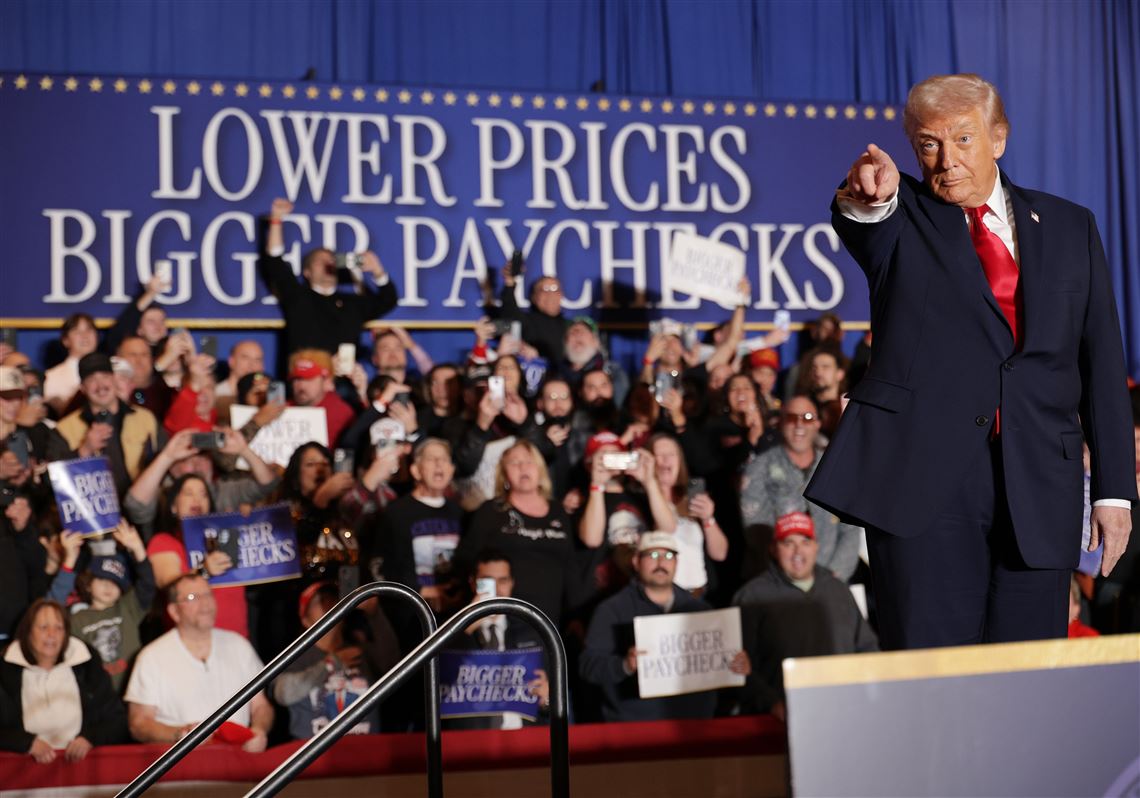
In a fact-checking review of former President Donald Trump’s economic claims during a recent Pennsylvania rally, analysts found several statements that either misrepresented economic data or lacked important context.
Trump, addressing supporters in a state crucial to his 2024 election strategy, painted a stark contrast between economic conditions during his administration and the current economic landscape under President Biden. While some of his assertions contained elements of truth, economic experts note that many claims required significant qualification.
The former president highlighted unemployment figures from his tenure, correctly noting that pre-pandemic jobless rates reached historic lows, particularly for minority communities. However, his presentation omitted that this continued a downward trend that began during the Obama administration. Data from the Bureau of Labor Statistics shows unemployment had already fallen from a peak of 10% in 2009 to 4.7% when Trump took office in January 2017.
Trump’s claims about manufacturing job growth during his presidency were partially accurate. Manufacturing employment did increase by approximately 450,000 jobs between January 2017 and February 2020, before the pandemic caused significant losses. However, this figure falls short of the “millions of manufacturing jobs” he claimed during the rally. Economic analysts note that while manufacturing showed growth, the sector was already facing headwinds from trade tensions and global market shifts before COVID-19 struck.
On inflation, Trump asserted that prices were stable during his administration compared to recent increases. Consumer Price Index data supports that inflation remained relatively low during his term, averaging around 2% annually until 2020. However, economists emphasize that comparing pre-pandemic inflation with post-pandemic figures overlooks the unprecedented economic disruptions caused by COVID-19, including supply chain breakdowns and extraordinary government stimulus measures that influenced current inflation trends.
Pennsylvania, with its 19 electoral votes, represents a critical battleground for both parties in the upcoming election. Trump won the state by approximately 44,000 votes in 2016 before losing it by about 81,000 votes in 2020. His economic message appears carefully tailored to resonance with the state’s blue-collar voters and manufacturing communities that have experienced decades of economic transformation.
Energy policy featured prominently in Trump’s remarks, with claims that his administration had achieved “energy independence” while current policies had surrendered this advantage. While U.S. oil production did reach record levels during his presidency, energy economists note that global market interdependence means true independence remains elusive for any administration. Pennsylvania’s significant natural gas industry makes this message particularly relevant to local economic interests.
When discussing international trade, Trump credited his tariff policies with improving the U.S. trade position. Trade deficit figures show mixed results during his term, with some bilateral improvements but an overall trade deficit that continued to grow until the pandemic disrupted global commerce in 2020. The long-term impacts of his trade approaches, particularly with China, remain subject to ongoing economic debate.
Economic historians point out that presidential influence on economic conditions is often overstated in campaign rhetoric. Many economic trends reflect global market forces, technological change, and demographic shifts beyond any administration’s direct control. The pandemic’s extraordinary impact further complicates efforts to make direct economic comparisons between recent administrations.
As both major parties craft their economic narratives ahead of November’s election, Pennsylvania voters will be evaluating these competing claims against their lived experience in a state that continues to navigate post-industrial economic transitions and the uneven recovery from pandemic disruptions.
Fact Checker
Verify the accuracy of this article using The Disinformation Commission analysis and real-time sources.

22 Comments
If AISC keeps dropping, this becomes investable for me.
Good point. Watching costs and grades closely.
Production mix shifting toward Fact Check might help margins if metals stay firm.
Production mix shifting toward Fact Check might help margins if metals stay firm.
Good point. Watching costs and grades closely.
The cost guidance is better than expected. If they deliver, the stock could rerate.
Nice to see insider buying—usually a good signal in this space.
Exploration results look promising, but permitting will be the key risk.
Good point. Watching costs and grades closely.
Good point. Watching costs and grades closely.
If AISC keeps dropping, this becomes investable for me.
Good point. Watching costs and grades closely.
Good point. Watching costs and grades closely.
Silver leverage is strong here; beta cuts both ways though.
Production mix shifting toward Fact Check might help margins if metals stay firm.
Silver leverage is strong here; beta cuts both ways though.
Silver leverage is strong here; beta cuts both ways though.
Good point. Watching costs and grades closely.
Uranium names keep pushing higher—supply still tight into 2026.
Interesting update on Fact-Checking Analysis of Trump’s Economic Address. Curious how the grades will trend next quarter.
I like the balance sheet here—less leverage than peers.
Good point. Watching costs and grades closely.