


Listen to the article
Viral Images of Melania Trump and Jeffrey Epstein Debunked as AI-Generated Fakes
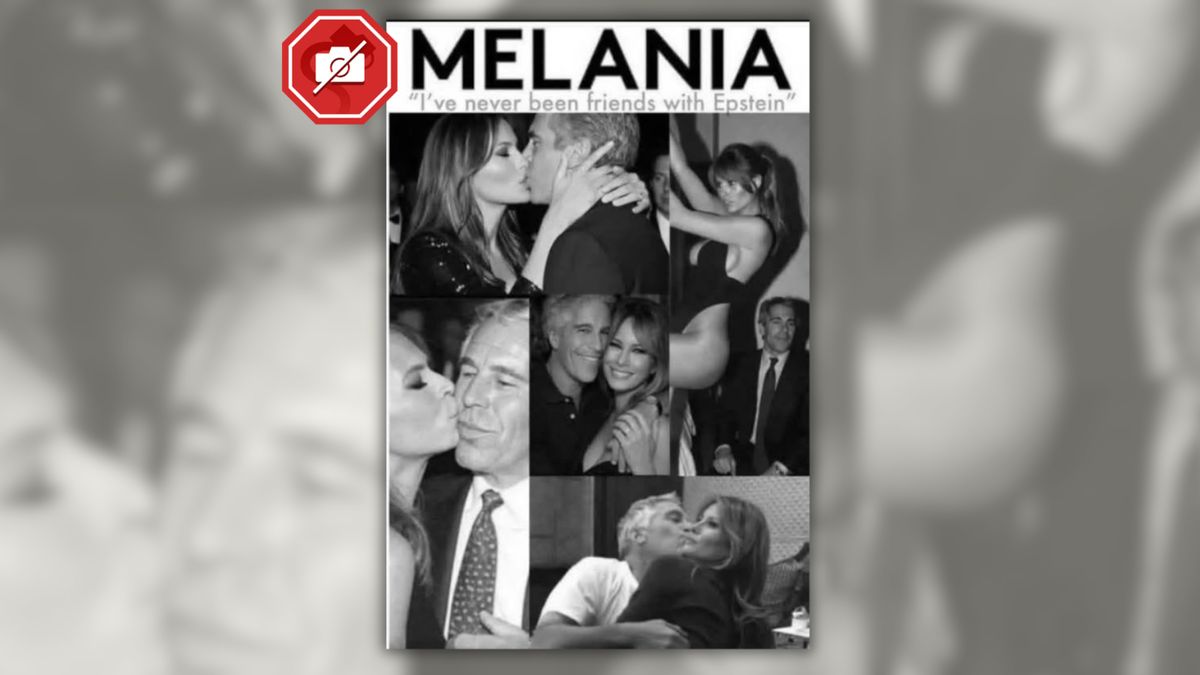
A series of purported images showing U.S. First Lady Melania Trump with convicted sex offender Jeffrey Epstein began circulating on social media platforms in April 2026, following her public denial of any relationship with him. The black-and-white photo collage, which appeared on Threads, X, Facebook, and LinkedIn, claimed to show the pair in intimate situations, including kissing and embracing.
However, a comprehensive investigation has revealed that all images in the collection are fabricated—either generated using artificial intelligence tools or digitally manipulated through other means.
The collage emerged shortly after the First Lady publicly stated, “I’ve never been friends with Epstein,” prompting some social media users to share these images as supposed evidence contradicting her claim.
While legitimate photographs of the Trumps with Epstein do exist—including a verified 2023 image showing Donald and Melania Trump alongside Epstein and Ghislaine Maxwell (who was sentenced to 20 years in prison for her role in Epstein’s crimes)—the images in the viral collage are entirely fabricated.
A detailed analysis of each image in the collage revealed their fraudulent nature:
The image showing Trump and Epstein kissing on the lips, positioned in the top left of the collage, bears the telltale four-pointed star logo of Google’s Gemini AI tool in its uncropped version. Google’s AI system confirmed that “all or part of this content was edited or generated with Google AI.”
The provocative image appearing to show the First Lady pole dancing for Epstein was previously debunked in February 2026. It originated from British artist Alison Jackson’s Instagram page, where she creates “convincingly realistic photographs, films and sculpture depicting celebrities doing things in private.” Jackson’s post included a clear disclaimer: “Fictional image. No factual claims implied.”
A spokesperson for Jackson previously confirmed to fact-checkers that she “uses lookalikes of public figures and makes them look realistic, she also uses AI – it’s a bit of both.”
An image showing Trump kissing Epstein on the cheek was initially debunked in December 2025, with fact-checkers noting significant inconsistencies in Epstein’s facial features compared to authentic photographs of him. No credible news organizations have reported the image as genuine.
The central image showing Trump and Epstein embracing contains obvious anatomical inconsistencies. Epstein’s facial features—particularly his chin and teeth—do not match verified photographs. Analysis using AI detection tools, including Hive Moderation and ZeroGPT, indicated a high probability that the image was AI-generated or deepfaked.
The final image, appearing to show Epstein kissing Trump, originated as a clearly labeled satirical post by self-described “obsessive memeist” Tom Adelsbach, who included a disclaimer: “Digitally altered photo #parody.” Further investigation revealed Adelsbach had manipulated an authentic Department of Justice image in which Epstein was shown puckering his lips while embracing an individual whose face was redacted in the official files.
The rapid spread of these fabricated images highlights the growing challenge of distinguishing between authentic and AI-generated content on social media, particularly involving public figures. As AI technology becomes more sophisticated and accessible, the potential for misleading visual content continues to increase.
Fact-checking organizations continue to monitor and debunk such misleading content as it emerges across social platforms.
Fact Checker
Verify the accuracy of this article using The Disinformation Commission analysis and real-time sources.

9 Comments
Interesting that these images turned out to be fabricated. It’s important to be cautious about unverified claims, especially around public figures. Fact-checking helps maintain trust in the media.
This serves as a good lesson on the dangers of AI-generated fakes. It’s worrying how realistic they can appear. Fact-checking is essential to combat the spread of misinformation.
Fabricated images can be very misleading. I’m glad the investigation uncovered the truth here. It’s a good reminder to always verify sources before sharing content online.
Glad to see this report debunking the fake images. It’s crucial that we don’t spread misinformation, even if it seems salacious. Rigorous fact-checking is the responsible way forward.
While some may have wanted these images to be real, it’s important to stick to the facts. Appreciate the diligence in exposing the truth about these fabrications.
This is a cautionary tale about the potential dangers of AI-generated content. While the technology is impressive, it must be used responsibly and with appropriate safeguards.
Kudos to the investigators for getting to the bottom of this. Spreading misinformation, even inadvertently, can have serious consequences. Responsible journalism is crucial.
I wonder what motivated the creation of these fake images in the first place. Regardless, I’m glad the truth has come to light through this thorough investigation.
It’s concerning to see how easily manipulated images can be these days. This report highlights the need for increased digital literacy and fact-checking vigilance.