


Listen to the article
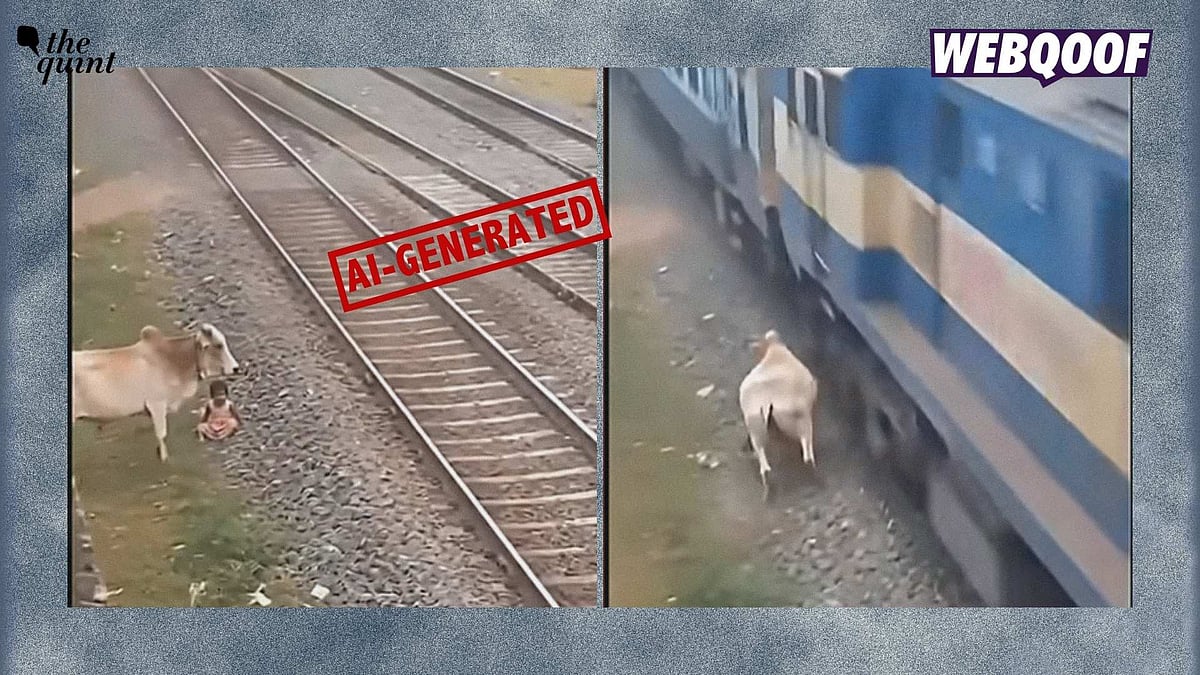
A viral video circulating widely across social media platforms purportedly shows a dramatic rescue scene where a cow saves a child from an oncoming train. The footage, which has garnered thousands of shares and comments, depicts what appears to be a near-tragic accident averted by the intervention of a bovine hero.
However, digital forensics experts and fact-checkers have conclusively determined that the video is entirely fabricated using artificial intelligence technology. The video contains numerous visual inconsistencies and rendering artifacts that are hallmarks of AI-generated content.
“This is a classic example of synthetic media being passed off as authentic footage,” said Dr. Elena Marquez, digital media analyst at the Center for Digital Integrity. “The movement patterns of both the cow and child appear unnaturally fluid in some moments and awkwardly rigid in others, which is consistent with current limitations in AI motion rendering.”
The viral spread of the video comes amid growing concerns about the proliferation of AI-generated content on social media platforms. According to recent research from the Pew Research Center, nearly 65% of internet users report encountering what they believe to be AI-generated content at least once a week, though many struggle to definitively identify such material.
Railway safety organizations have expressed concern that such fabricated content could undermine legitimate public safety messaging. “We spend considerable resources educating the public about railway safety,” said Thomas Benson, spokesperson for the National Railway Safety Coalition. “When fabricated videos like this go viral, they can create confusion about how people should actually behave around train tracks.”
The video first appeared on TikTok before spreading to other platforms including Facebook, Twitter, and Instagram. Several versions have accumulated millions of views collectively, with many users sharing the content believing it to be authentic footage.
Social media companies have faced mounting pressure to identify and label AI-generated content more effectively. Meta, the parent company of Facebook and Instagram, recently expanded its AI detection tools but acknowledges the technological challenges in keeping pace with rapidly advancing generation capabilities.
“The technology used to create synthetic media is advancing faster than detection methods,” explained cybersecurity expert Marcus Chen. “What makes this particular video concerning is that it’s convincing enough to fool casual viewers, especially when viewed on small smartphone screens where artifacts are less noticeable.”
Wildlife behavior experts have also weighed in on the implausibility of the scenario depicted. “Cattle generally avoid train tracks and loud, fast-moving objects,” said Dr. Samantha Wright, professor of animal behavior at Cornell University. “While there are documented cases of domesticated animals performing seemingly heroic acts, the behavior shown in this video contradicts natural bovine instincts and physical capabilities.”
This incident highlights the growing challenge of information literacy in an era where AI-generated content becomes increasingly sophisticated. Media literacy advocates recommend that viewers approach dramatic or unusual footage with healthy skepticism, checking for verification from reputable news sources before sharing.
The circulation of the fake cow rescue video follows similar viral hoaxes involving fabricated disaster footage, celebrity deepfakes, and other AI-generated scenarios designed to trigger emotional responses and drive engagement.
Platforms hosting the misleading content have begun removing some instances of the video following reports from users and fact-checking organizations, though many copies remain in circulation with added commentary suggesting their authenticity.
Experts advise social media users to look for inconsistent lighting, unnatural movements, and visual glitches when evaluating potentially AI-generated content, and to seek verification from multiple credible sources before accepting extraordinary footage as genuine.
Fact Checker
Verify the accuracy of this article using The Disinformation Commission analysis and real-time sources.

6 Comments
Wow, so this video was completely fabricated using AI technology? That’s really concerning, especially with how rapidly misinformation can spread online these days. I appreciate the in-depth analysis from the digital media experts to expose this as a deepfake.
It’s concerning to hear that nearly 65% of internet users have encountered misleading deepfake videos like this one. We really need better tools and education to help people identify synthetic media. This is an important fact-check.
Wow, the details about the fluid vs. rigid movement patterns being a telltale sign of AI-generated content are fascinating. Kudos to the digital media analysts for their forensic work in exposing this deepfake.
This is a good reminder that not everything we see online is real, even if it looks convincing. The proliferation of AI-generated content is a real challenge for maintaining truth and credibility in the digital age.
Interesting that the video had numerous visual inconsistencies that gave away its artificial nature. It’s important we remain vigilant about verifying the authenticity of viral content, especially when it seems too dramatic or unbelievable to be true.
Agreed. Deepfakes are becoming increasingly sophisticated, so we all need to be more discerning consumers of online media. Kudos to the fact-checkers for catching this one.