


Listen to the article
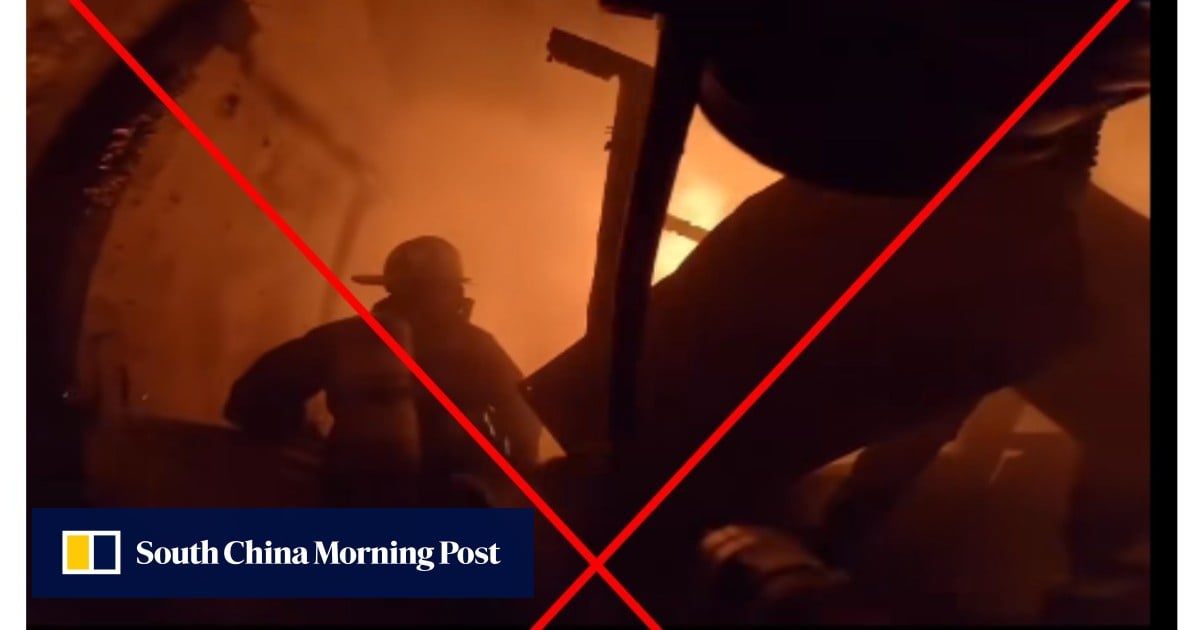
In the aftermath of Hong Kong’s most devastating fire in decades, social media platforms have become flooded with various forms of content claiming to depict the tragedy. Among these is a 16-second video purportedly showing first-person bodycam footage of firefighters battling the inferno, which has recently gone viral on Facebook.
The clip, which appears to show firefighters in the midst of combating an intense blaze, was shared on Thursday with a Chinese caption reading: “Firefighters’ first person perspective. A tribute to firefighters #HongKongFire #FireRescue #Firefighters.” Since its posting, the video has garnered over 200,000 views, capturing the attention of a city still processing the tragic events at Wang Fuk Court in Tai Po.
The timing of this content’s circulation is particularly sensitive. Hong Kong residents continue to grapple with the emotional aftermath of the Wang Fuk Court disaster, which stands as the most severe fire incident the territory has experienced in decades. The blaze, which tore through seven residential blocks, has left the community in shock and mourning.
This viral video emerges amid growing concerns about misinformation and the authenticity of crisis-related content shared across digital platforms. The rapid spread of such material highlights how emotional and high-impact events can trigger viral sharing, often without proper verification of the content’s origins or accuracy.
Social media has played an increasingly significant role in how disasters are documented and perceived by the public. During crises, platforms like Facebook become critical information channels where official updates, personal accounts, and unfortunately, misleading content can all intermingle, making it challenging for users to distinguish fact from fiction.
The Wang Fuk Court fire represents a pivotal moment for Hong Kong’s emergency services and urban safety protocols. The scale of the disaster has prompted questions about building safety standards, emergency response procedures, and disaster preparedness across the densely populated territory.
Hong Kong’s Fire Services Department, which responded to the Tai Po incident, has been under intense scrutiny following the disaster. Professional firefighters faced extraordinary challenges during the operation, battling extreme heat, dense smoke, and the complex layout of the affected residential complex.
The circulation of fire-related content, whether authentic or not, reflects the public’s desire to understand and process the traumatic event. It also demonstrates a collective recognition of the bravery displayed by emergency responders who risked their lives during the rescue operations.
Media literacy experts have increasingly warned about the proliferation of unverified disaster footage in the digital age. The combination of widely available editing tools, artificial intelligence capabilities, and the emotional impact of disaster content creates perfect conditions for misinformation to spread rapidly.
In response to the growing challenge of online misinformation, fact-checking initiatives have become essential components of responsible journalism. The South China Morning Post’s new “SCMP Fact-Check” series aims to investigate viral claims circulating online that affect Hong Kong residents, providing clarity in an increasingly complex information landscape.
As Hong Kong continues to recover from the Wang Fuk Court tragedy, the importance of accurate information sharing becomes even more critical. The incident has already prompted calls for improved building safety regulations and enhanced emergency response protocols, discussions that rely on factual understanding rather than emotional reactions to potentially misleading content.
The viral spread of the firefighter video underscores the power of social media to shape public perception during times of crisis, while simultaneously highlighting the responsibility of users and platforms alike to ensure the integrity of shared information.
Fact Checker
Verify the accuracy of this article using The Disinformation Commission analysis and real-time sources.

12 Comments
The Chile blaze in 2024 must have been an immense challenge for firefighters. I’d be curious to learn more about the specific tactics and equipment they utilized to battle such an intense urban fire.
Yes, it would be great to get a deeper look at the operational details and lessons learned from that incident. Understanding the challenges faced can help improve firefighting preparedness for the future.
While the Chile blaze footage is fascinating, I’m concerned about the mislabeling and how that could add to the trauma and confusion around the Hong Kong tragedy. Rigorous fact-checking is crucial to maintain trust and provide accurate information.
The firefighters in that Chile blaze must have shown incredible courage and skill to battle such an intense urban fire. I’d be really interested to learn more about the specific tactics and equipment they used.
Tragic that this video was falsely labeled as the Hong Kong fire. Misinformation can be so damaging, especially around events that have caused so much pain and suffering. Kudos to the fact-checkers for setting the record straight.
I agree, fact-checking is crucial to maintain public trust and ensure accurate information is circulating, especially for sensitive events like this.
It’s disheartening to see misinformation spreading around the Hong Kong fire tragedy. Fact-checking is so important to combat the spread of false narratives, especially on sensitive topics like this.
Absolutely. In a time of grief and shock, the last thing the community needs is the added burden of sorting truth from fiction. Kudos to the fact-checkers for their diligence.
Interesting to see this footage from the Chile blaze in 2024. I wonder what insights it can provide about firefighting tactics and equipment during large-scale urban fires.
Yes, this type of firsthand footage can be really valuable for fire departments to study and improve their emergency response protocols.
It’s concerning to see misinformation spreading so quickly, especially around tragic events like the Hong Kong fire. Fact-checking is crucial to prevent the spread of falsehoods.
Absolutely. In the digital age, it’s more important than ever for people to be discerning consumers of online content and verify information before sharing.