


Listen to the article
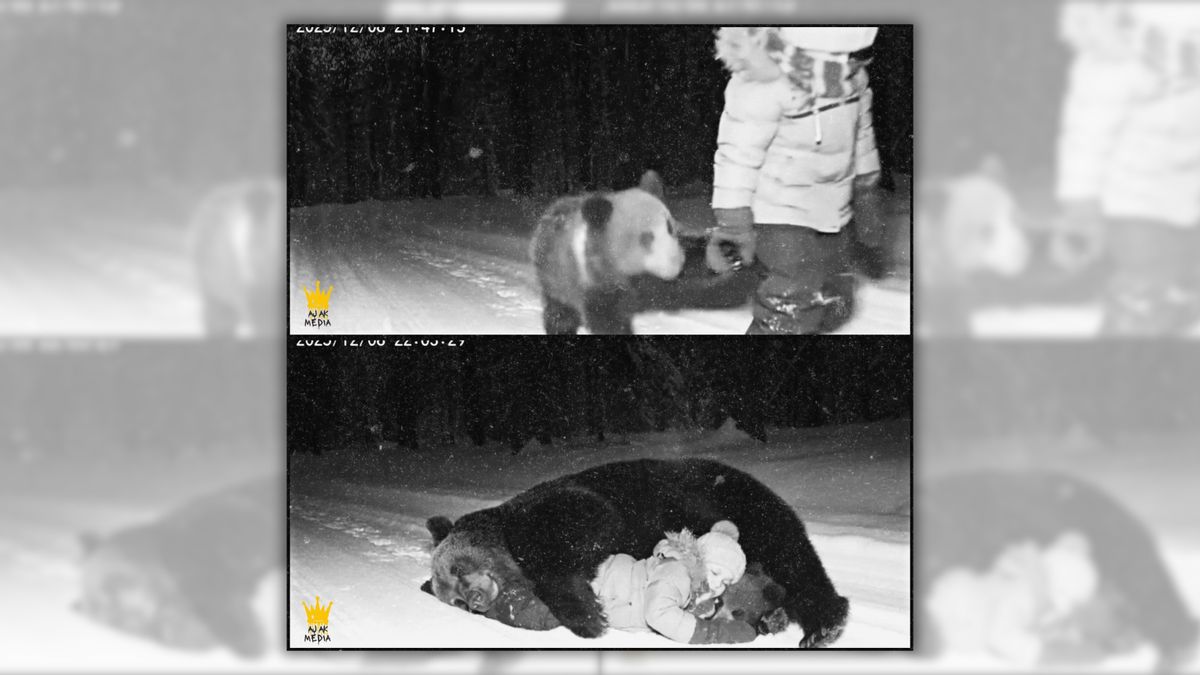
In a stunning example of how viral misinformation can spread online, fact-checkers have debunked claims that trail camera photos showed a mother bear and her cub rescuing a lost girl in Alaska.
The fabricated story, which circulated widely across social media platforms in December 2025, claimed that a young girl had disappeared during a January storm in Alaska, only to be found the next day curled up with a bear and her cub. Multiple Facebook users shared the alleged trail camera images alongside the heartwarming but ultimately false narrative.
The story gained significant traction after being posted by a Facebook page called “StoryTime” on December 9. The page, which uses the username “AJAnimalking,” presented the tale with dramatic flair, writing: “In January 2025, in the snowy forests of Alaska, a little girl vanished during a heavy mist storm, but the trail cameras told a story no one could have imagined.”
Fact-checkers conducted comprehensive searches across major search engines including Google, Bing, Yahoo, and DuckDuckGo, finding no credible news organizations reporting on the incident. Given the extraordinary nature of such an event – a bear protecting rather than threatening a human child – legitimate media coverage would have been widespread had the story been authentic.
The StoryTime Facebook page itself provides subtle clues about its content’s reliability. Its bio includes the definition: “story (noun) – an account of imaginary or real people and events told for entertainment,” suggesting that not all content shared should be taken as factual. The page has previously been identified as a source of fabricated animal-related stories, with fact-checkers having debunked several of its claims in the past.
Analysis of the purported “trail cam photos” revealed multiple inconsistencies. The images showed a bear cub and a young girl walking together in snow, but curiously displayed only one set of footprints – a physical impossibility that points to digital manipulation. Additionally, the timestamp visible in the images, though partially obscured, did not match the January date mentioned in the story caption.
Experts note that the images appear to be generated by artificial intelligence rather than authentic trail camera footage. AI-generated content has become increasingly sophisticated, making it more challenging for casual social media users to distinguish between genuine and fabricated imagery.
Alaska is home to multiple bear species including brown, black, and grizzly bears, all of which wildlife experts consider potentially dangerous to humans. Bear behavior toward humans tends to range from avoidance to aggression, particularly when cubs are present, making the scenario described in the viral posts highly implausible.
This fabricated bear rescue story fits into a broader category of internet content sometimes referred to as “glurge” – sentimental, supposedly true stories designed to evoke emotional responses, but which are often fictional. Such content has flourished in the social media era, where emotional engagement drives sharing, often regardless of accuracy.
The proliferation of AI-generated wildlife stories has become a growing concern for fact-checkers and wildlife conservation organizations. These fictional narratives can spread misconceptions about animal behavior that might lead to dangerous human-wildlife interactions or undermine legitimate conservation messaging.
Social media platforms continue to struggle with effectively labeling or removing such misinformation, leaving the burden of verification largely on users themselves. Experts recommend checking multiple reliable sources before sharing dramatic animal rescue stories, particularly when they describe behavior that contradicts known wildlife patterns.
Fact Checker
Verify the accuracy of this article using The Disinformation Commission analysis and real-time sources.

6 Comments
This case highlights the need for increased media literacy and critical thinking when it comes to evaluating information we encounter online. We should all be more cautious about blindly believing and sharing sensational stories without verifying their accuracy first.
This is a good reminder to be skeptical of dramatic stories that seem too good to be true, especially when they originate from dubious sources on social media. It’s crucial to verify claims through reputable news outlets before spreading them further.
I appreciate the diligent fact-checking work that was done to debunk this viral misinformation. It’s disheartening to see how quickly fabricated stories can spread online, but it’s important that the truth ultimately prevails.
It’s discouraging to see yet another case of a heartwarming but fabricated story going viral on social media. Fact-checking is so important to counter the tide of misinformation out there. I’m glad the truth was ultimately uncovered in this instance.
While the story of a bear rescuing a lost girl in Alaska was an appealing one, I’m not surprised it turned out to be false. Extraordinary claims require extraordinary evidence, and the lack of credible reporting on this incident was a clear red flag.
What a shame this story turned out to be false. I was really hoping it was true and that the bear had heroically rescued the lost girl. Nonetheless, it’s an interesting example of how misinformation can spread so rapidly online these days.